AI Cloning Ends Public Playtests, Threatening Indie Game Marketing
AI tools like Claude Opus can now reverse-engineer game code in minutes, forcing developers to cancel public playtests. This shift risks eliminating a key marketing channel for indie studios while AAA publishers adapt.
The Playtest Pipeline Is Breaking
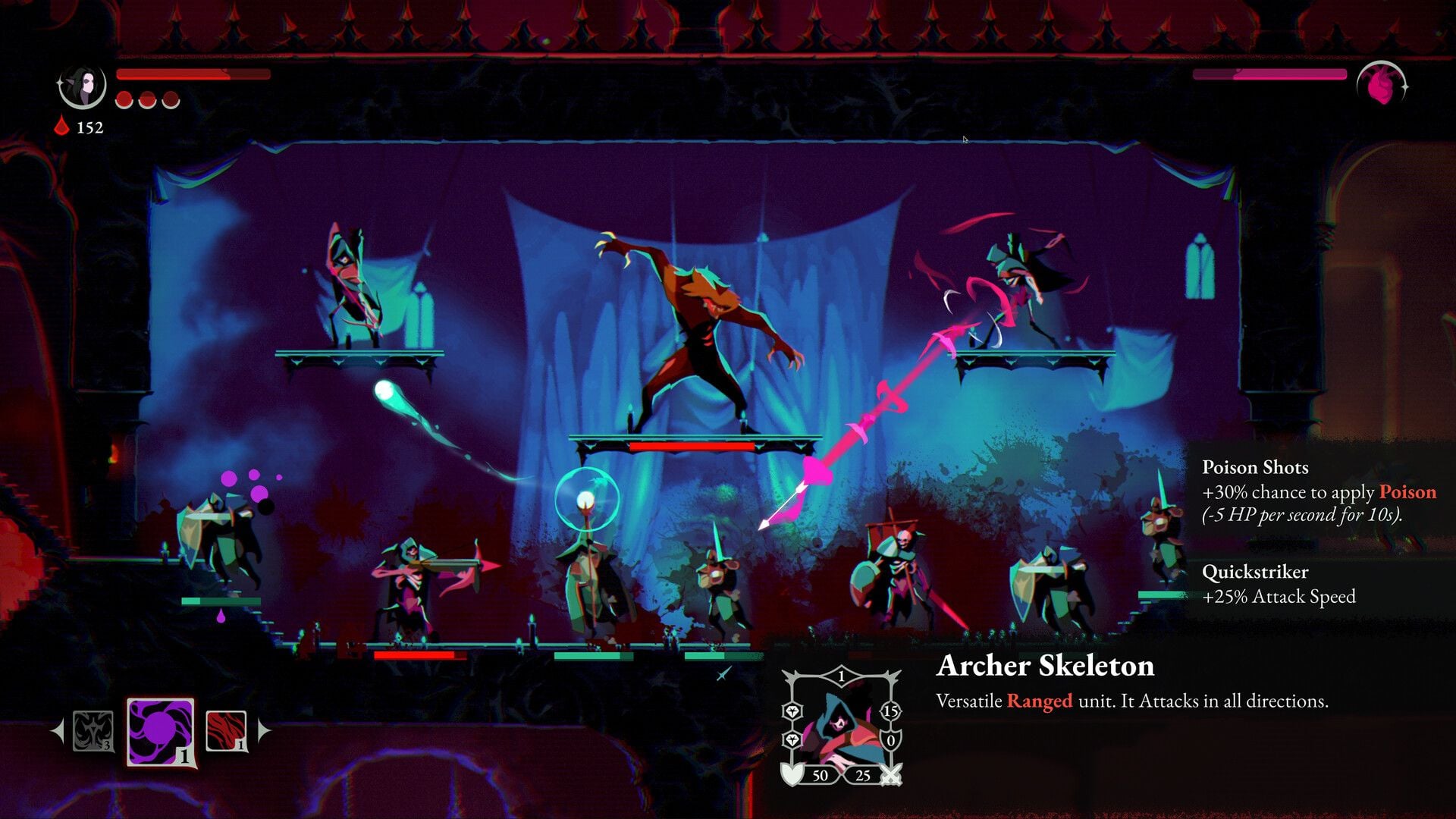
Digital Sun, the studio behind Moonlighter and the upcoming ReVamp, just pulled the plug on its planned Steam public beta. Instead, the studio is moving its first accessible test to Discord, limiting participation to a smaller, curated group. The reason isn’t technical—it’s legal. AI models like Claude Opus can now decompile a game’s code, reconstruct it, and produce a playable clone in minutes, a task that once required months or years of manual reverse-engineering by dedicated hobbyist teams.
The threat is immediate and concrete. ReVamp is a tower defensevania with a Dracula-themed base-building hook, due in March 2027. By handing out a public build, Digital Sun would risk having the game cloned, distributed, and played long before release—undercutting its own launch window and marketing campaign. The studio has confirmed internally that the decision was made after reviewing recent demonstrations of AI-driven code reconstruction from executable files, which showed results far exceeding what was possible even a year ago.
This isn’t an isolated panic. Last week, Alliance Arts, developer of Drunken Goddess Reflux, cancelled its Steam Next Fest demo for the same reason. Next Fest is already a crowded marketplace: over 8,000 demos entered this cycle, double the number from March. For indies, that visibility is often the difference between obscurity and a sustainable career. Third-party metrics analysts estimate that nearly 40 percent of successful Steam launches in 2024 and 2025 credited their first major visibility spike to a Next Fest demo. Removing that funnel doesn’t just inconvenience developers—it removes a structural pillar of indie distribution.
Who Wins, Who Loses
Who wins: Large publishers with legal teams and the resources to pursue takedown orders, enforce non-disclosure agreements, and absorb the cost of private, invite-only testing. They can also leverage AI defensively—monitoring code repositories, automating infringement detection, and locking down builds behind paywalls or authenticated sessions. Publishers like Electronic Arts and Activision Blizzard have reportedly already begun stockpiling legal precedents around AI-generated derivative works, preparing for litigation that could set binding rulings for the industry.
Who loses: Independent studios. For them, public playtests are a low-cost, high-impact marketing tool. They generate word-of-mouth, build community, and provide feedback that shapes the final product. Losing that channel forces indies into a more costly, less transparent testing model—or onto closed platforms like Discord, where discoverability is limited and the audience is self-selected rather than organic.
The shift also advantages AI-native bad actors. Cloned games can be uploaded to browser-based portals, monetized through ads, and distributed widely before the original even ships. Some clone operators are already using AI to localize and re-skin cloned titles for regional markets, creating a secondary layer of revenue that completely bypasses the original creator. This creates a race between developers who want to share their work and competitors who want to steal it—and right now, the technology tips toward the thieves.
The Bigger Picture: Visibility vs. Security
Game testing has always been a balancing act. Developers want early feedback, but they don’t want spoilers, bugs, or leaks. Public playtests strike that balance by offering a controlled, time-limited experience. AI cloning breaks that control.
The industry’s response so far is defensive retreat. Moving tests to private servers, limiting access to loyal fans, and delaying public builds until closer to launch—all of these reduce the risk of cloning but also reduce the opportunity for organic buzz. Valve has not publicly commented on the issue, but sources familiar with internal discussions indicate that Steam is evaluating watermarking solutions and build-specific license keys to make cloning more difficult. Implementation remains uncertain.
There’s a deeper cultural cost here. Games are cultural products, and community involvement is a core part of their development. When studios start treating players like potential threats rather than partners, the relationship changes. Trust erodes. The very crowds that would champion a game become a liability. This dynamic is already visible in social media: Discord servers that were once collaborative feedback hubs are now filled with warnings about what not to share, what not to post, and what constitutes a suspected leak.
A second-order effect is emerging around accessibility. Public playtests have historically allowed players with disabilities to flag issues that internal QA teams miss. Restricting playtests to smaller, curated groups—often those with existing social connections to the studio—means that accessibility feedback, which tends to come from diverse and non-traditional player communities, may disappear along with the broader testing pool.
What Happens Next
Expect a hardening of testing practices across the industry. Steam and other storefronts will likely face pressure to implement stronger anti-cloning measures—technical watermarking, code obfuscation, legal agreements that carry real penalties. But enforcement will be patchy, and new cloning tools will keep emerging. The cat-and-mouse dynamic between protection and circumvention has been a feature of software since the personal computer era; AI simply accelerates the cycle.
Indie studios may need to rely more on private communities, paid early access, or platform-specific exclusivity to protect their builds. Some might abandon public playtests altogether, relying on influencers and streamers instead—a channel harder to clone but one that favors studios with existing connections or marketing budgets. This creates a feedback loop: without playtests, it’s harder for unknown indies to build the reputation that makes influencer coverage accessible. The result could be a consolidation of visibility toward studios that already have it.
There is also a looming question about the long-term economics of game development. If public playtesting becomes structurally unviable for indies, the barrier to entering the market rises. That favors studios with alternative revenue streams, venture backing, or prior success. The indie