When AI Sees A Gun, Kids Get Handcuffed
A federal lawsuit in Maryland alleges an AI system mistook a bag of Doritos for a firearm, triggering an armed police response that traumatized students. The case raises urgent questions about deploying unproven surveillance technology in schools—and who pays when it goes wrong.
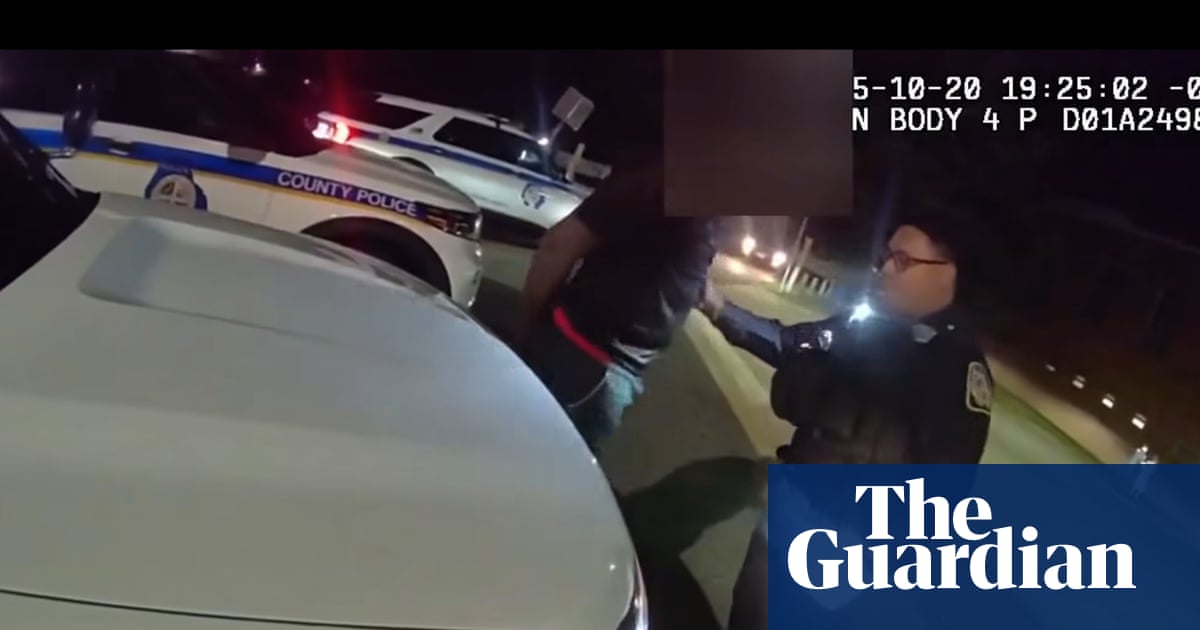
Four kids holding chips. Six cruisers. One AI system that couldn’t tell the difference.
That is the core horror of a federal lawsuit filed by four current and former students at a Baltimore County high school. They were waiting for rides home after football practice, sitting near picnic tables with bags of Doritos, when six local police cruisers pulled up with lights flashing. Officers unholstered their weapons. The students raised their hands. They were ordered to their knees, handcuffed, and searched.
The trigger: an alert from Omnilert’s Gun Detect system, which scanned security camera footage and flagged a bag of tortilla chips as a firearm with what the company claims is 90 percent confidence. It was not a firearm. It was a snack.
This incident, which took place on October 20 last year, has become a case study in everything dangerous about deploying unproven AI surveillance systems in environments where children are expected to feel safe. But the implications stretch far beyond one Maryland high school. They cut to the heart of a national and global rush toward automated threat detection—where the cost of a false alarm is measured in trauma, and the accountability structure is almost entirely absent.
How the system failed, systematically
The lawsuit paints a picture not of a single glitch but of a cascading failure across multiple layers of the detection chain.
First, Omnilert’s algorithm misidentified the object. Second, even after school staff reviewed the footage and determined it was a mistake, the alert kept firing. Third, Baltimore County police responded to a false positive with enough force and urgency that armed officers converged on a group of teenage boys waiting outside a school.
There is a striking gap between what Omnilert markets and what the law actually found. The company promotes its product as leading to “fewer false positives.” Meanwhile, Maryland’s office of the inspector general for education found that more than 99 percent of Omnilert Gun Detect alerts in Baltimore County Public Schools were false positives requiring no police response.
Ninety-nine percent. That is not a malfunction rate. That is a structural one.
One officer at the scene allegedly muttered “fucking Omnilerts” and “stupid AI cameras” before leaving—a moment that captures something crucial. The people on the ground knew the system was broken. The students bore the consequences anyway.
Who gets hurt when algorithms get it wrong
The legal complaint describes the students as “in shock and fearing for their lives.” Taki Allen, then a junior, told reporters he no longer feels safe waiting for rides or hanging out at school after hours. He now pays for rides home to avoid the risk.
Freida Winfield, whose son Keith is one of the plaintiffs, put it bluntly: “No child in Baltimore County should face this kind of danger while waiting outside his own school for a ride home from his mother.”
The racial equity dimension is impossible to ignore. Baltimore County has a significant Black student population, and incidents involving armed police responding to false alarms disproportionately affect young Black men—the same demographic that bears the brunt of aggressive policing in everyday encounters. Damon Hewitt, president of the Lawyers’ Committee for Civil Rights Under Law, which is representing the students, framed it directly: “These students were failed not only by a technology that is prone to false alerts, but also by the very adults meant to keep them safe when we send them to school.”
Hewitt added: “Instead of this protection, they were met with guns and traumatized. And it could have been even worse.”
The text messages from the school principal to fellow administrators—containing laughing-crying emojis about the incident, and no apology to the students—add another layer. The adults charged with protecting these kids treated a traumatic event as a joke. The system that flagellated them received no institutional remorse.
Why this matters beyond Maryland
nBaltimore County is not an outlier. School districts nationwide are spending millions on AI-driven surveillance systems under the banner of gun violence prevention. The Omnilert model sells itself on exactly this fear: that cameras watching hallways can spot threats faster than humans, that an algorithm can make campuses safer.
But the data from Maryland suggests otherwise. When over 99 percent of alerts generate no actionable threat, you are not building a safety net—you are building a noise machine that calls armed responders into environments full of children every time it malfunctions. That is not a bug. That is how the system works.
And there is a second, compounding problem: when these systems generate false alarms at this scale, they erode trust between students and the institutions meant to protect them. They normalize the presence of armed police in spaces where young people should feel secure. They create a precedent where a child holding a snack becomes a hostage to algorithmic error.
What happens next
The lawsuit names Omnilert, the Baltimore County school board, individual officers, and the school principal, alleging unlawful detention and search. It is seeking damages for the students’ emotional distress and the lasting psychological impact of the encounter.
Omnilert has expressed regret in prior statements. An spokesperson told the Baltimore Banner the company is reviewing the lawsuit and was “truly sorry for the fear they and their families experienced.”
The real question is whether regret translates into accountability. If the system produces false positives at a 99 percent rate and departments continue deploying it, will any institution bear responsibility? The answer so far appears to be no—not really. The students are suing individually. The company markets globally. The regulators barely watch.
This case should matter to anyone following the intersection of AI and public safety. It demonstrates, in vivid and painful detail, what happens when you outsource judgment to machines that cannot distinguish a bag of chips from a weapon—and then arm the humans who respond to those errors.