Alzheimer’s May Start Outside the Brain — And That Changes Everything
New research from Washington University suggests immune cells driving Alzheimer’s damage are activated by dendritic cells outside the brain — a finding that could redirect the $100B-plus drug pipeline away from the blood-brain barrier entirely.
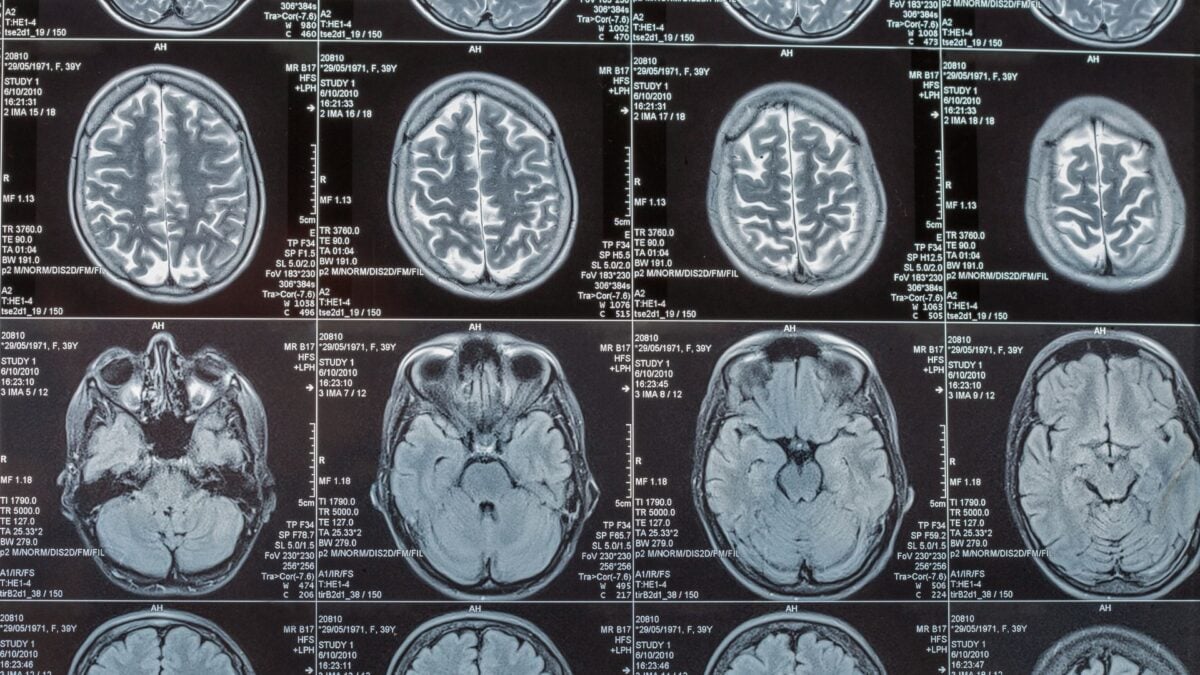
A peripheral problem
The most expensive neuroscience failure in history wasn’t a single drug. It was a strategy. For three decades, Alzheimer’s research has been locked inside the skull — chasing amyloid plaques, chasing tau tangles, spending billions on molecules that rarely cross the blood-brain barrier. The anti-amyloid drugs that finally scraped regulatory approval delivered modest benefits at best. The pipeline behind them is nearly a decade of mispriced bets.
A paper published Thursday in Nature Neuroscience won’t fix that pipeline overnight. But it does something arguably more important: it points in a completely different direction. The researchers at Washington University School of Medicine found that the immune cells most closely tied to Alzheimer’s damage in the brain — T cells — appear to be activated by a separate cell type located outside the brain, in lymph nodes. Remove those dendritic cells, and the T-cell invasion of the brain slows. The mice show less neurodegeneration. Their cognition stays normal. And crucially, the abnormal tau still accumulates — meaning the damage isn’t being stopped at the source of the protein pathology, but at the source of the immune response.
This isn’t a cure. But it is a pivot point.
The hypothesis that kept breaking
Alzheimer’s has two hallmark pathologies: amyloid-beta plaques and tau tangles. The amyloid hypothesis — that accumulated plaque drives the disease — has dominated funding, pharma R&D, and clinical trial design since the mid-1990s. It has produced a string of high-profile failures. Drugs like aducanumab and lecanemab clear plaques and modestly slow decline. They don’t stop the disease. They barely change its trajectory for most patients.
The WashU team has been working on an alternative reading of the data for years. In prior mouse studies, they showed that blocking T cells in the brain reduced inflammation and neurodegeneration — even when amyloid and tau were still present. That suggested T cells weren’t passengers. They were drivers. The question became: what turns them on?
T cells are typically activated by dendritic cells, antigen-presenting immune cells that patrol lymph nodes and lymphoid tissue. The conventional dendritic cells found inside the brain are sparse. The WashU team suspected they weren’t the main culprits. So they did something fairly radical for Alzheimer’s research: they looked outside the central nervous system.
They used mice engineered without dendritic cells in their lymph nodes and other peripheral lymphoid organs. The result was striking. T-cell accumulation in the brain dropped. Brain damage was reduced. Cognition held. All of this happened without a reduction in abnormal tau levels.
Why this matters beyond the lab bench
The most immediate implication is practical. Every new Alzheimer’s drug candidate that enters the pipeline today faces the same obstacle: getting it across the blood-brain barrier. That barrier exists to protect the brain from pathogens and toxins. It also blocks roughly 98% of small-molecule drugs and nearly all large biologics. The result is a selection bias in the pipeline — the only drugs that make it into trials are those that already found a way to cross the barrier, not necessarily those most likely to work.
If the triggering event — the activation of T cells — happens in peripheral lymph nodes, you can hit it with a conventional drug or antibody that never needs to enter the brain. That removes a structural bottleneck and opens the door to a wider range of chemistries, including therapies already in development for autoimmune conditions.
There’s also a timing dimension. The next phase of the WashU research will test whether eliminating dendritic cells later in life — after symptoms would have already begun in humans — still reduces damage. If it does, the intervention isn’t limited to prevention. It could be a treatment for diagnosed patients. That shifts the market considerably. Alzheimer’s trials that target brain-resident pathology have struggled with late-stage endpoints. A peripheral intervention might show benefit earlier and in a broader population.
Who wins, who loses
Pharma companies sitting on blood-brain-barrier-dependent assets lose first. The most obvious targets are the late-stage amyloid and tau antibody programs that have yet to demonstrate meaningful clinical benefit. Their entire design premise is built on the assumption that the critical intervention site is intracranial. A peripheral mechanism doesn’t invalidate that approach — but it does expose its fragility.
The winners are likely to be companies already working on immune modulation, particularly those with antibodies or small molecules targeting dendritic cell function or T-cell priming. The landscape here is far more crowded than the amyloid space. Several dendritic-cell–targeted therapies are in clinical development for cancer and autoimmune disease. Repurposing candidates from those programs would cut years off the development timeline.
There’s also a class of therapies that couldn’t even enter trials before because they were too large or too toxic to cross the blood-brain barrier. Some of those may now be back in play. An anti–dendritic-cell antibody, for instance, doesn’t need to reach the brain to matter.
What nobody is saying yet
The most important unanswered question isn’t which drug to develop. It’s what activates the dendritic cells in the first place. Hao Hu, the study’s lead author, suspects abnormal tau accumulation in the brain is the trigger — sending an alarm signal through the body that recruits dendritic cells to prime T-cell responses. But that link remains unproven. If tau is the initial instigator, then the peripheral immune response is downstream of a CNS event. You’d still want to address both. If something else — an infection, a metabolic signal, a vascular event — is the primary trigger, then the entire model shifts again.
The researchers also plan to test whether targeting only certain lymph nodes, particularly those around the neck, could achieve the same benefit with fewer side effects. That’s a clinically significant detail. A systemic knockdown of dendritic cells would compromise immune surveillance broadly. A regional intervention might not.
The scale of the rewrite
The Alzheimer’s drug market is measured in hundreds of billions. The global cost of dementia is projected to reach $3 trillion annually by 2050. Most of that spending goes toward care, not treatment — a reflection of the fact that no therapy meaningfully alters disease course. A peripheral mechanism doesn’t solve that gap by itself. But it does identify a class of interventions that is structurally easier to develop, test, and deliver than anything the current pipeline has produced.
The WashU study is in mice. The findings need replication in human tissue and, eventually, in clinical trials. No one at the institution is claiming the old model is dead. But the old model has a lot of explaining to do now — especially the assumption that the battlefield had to be inside the skull.