Anthropic's IPO and the Market's Dividing Line
Anthropic filed its IPO prospectus for a mid-November Nasdaq listing under the ticker ANT, sending tech stocks higher and revealing a stark divergence between Wall Street caution and Korean market conviction about AI's investment future.
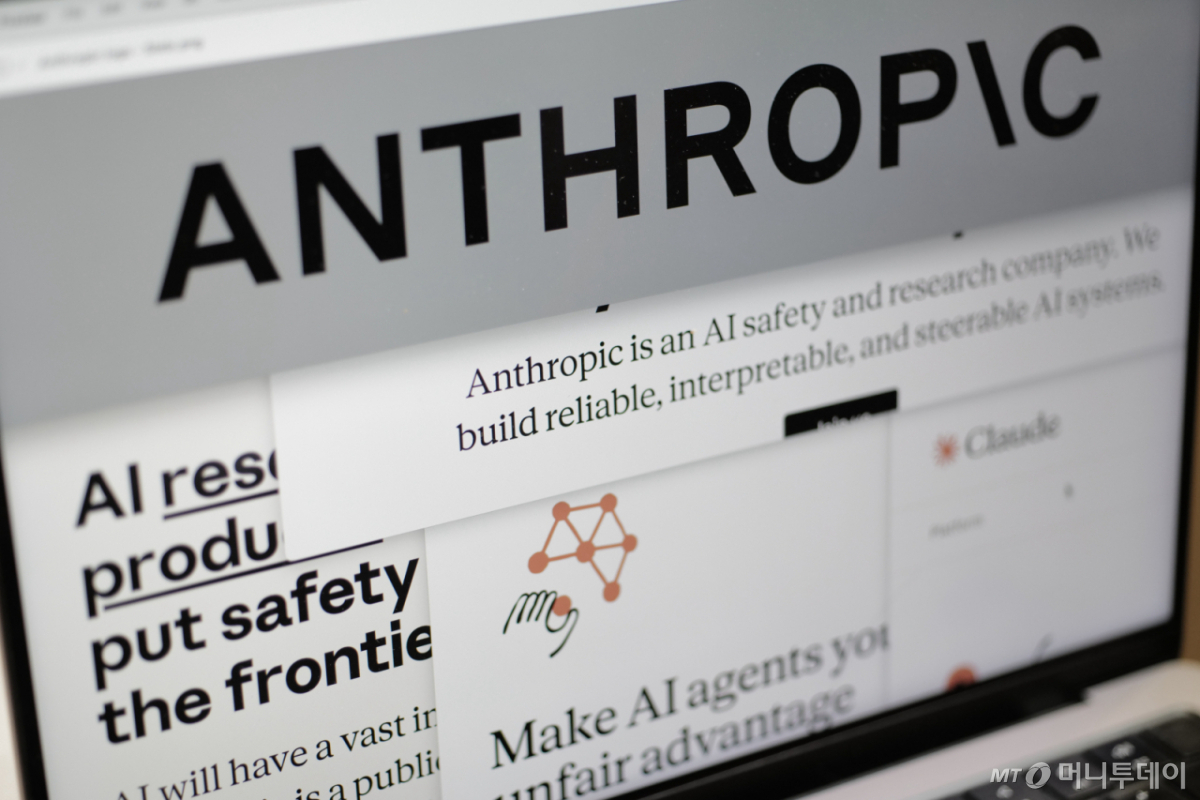
The Siren Song of Claude
Anthropic filed its IPO prospectus with the SEC on October 26, and the market reacted the way it does when a long-believed prophecy finally arrives: with relief, excitement, and a scramble to price in the new reality. The company plans to list on the Nasdaq under the ticker ANT in mid-November.
The S&P 500 closed at 7,676.77, up 0.70%. The Nasdaq added 214 points to finish at 26,169.38. The Dow, ever the reluctant participant, gained 146 points to 52,361.58. But the real story was not in the broad indices — it was in the names that had been sitting on the sidelines, waiting for a second act.
Nvidia climbed 2.4%. AMD rose 2.8%. Broadcom gained 2.3%. Micron jumped 3%. Tesla surged more than 5% after Barclays upgraded its stance to overweight. Every major semiconductor player touched green, and every energy player touched red as Brent crude dropped into the $114 barrel range and WTI slipped below $100. The oil selloff, driven by easing fears of a broader U.S.-Iran military confrontation, removed one of the last inflation headwinds hanging over rate-cut expectations.
The Federal Reserve meets on October 28, and the market is pricing in a hold at 3.75–4.00%. That consensus will likely hold. But the market is not pricing in what comes after the Fed — and that is where the divergence begins.
What Wall Street Is Underestimating
American financial media is covering the Anthropic filing as a corporate event. A well-known AI company is going public. Big deal. It joins a crowded cast of tech listings that have graced the Nasdaq over the past two years.
Korean financial media — specifically Money Today, which led this story from its New York bureau — is covering it differently. They are calling it a market-transforming moment. And there is a reason for that.
Anthropic is not just another AI startup listing. It is the first pure-play frontier AI company with a consumer product that has achieved genuine cultural penetration. Claude is not a laboratory project. It is used daily by millions of people and enterprises around the world. Its parent company, founded by former OpenAI researchers who left over safety concerns, has built a brand around responsible AI development that distinguishes it in an increasingly crowded field.
The Korean market understands something that American institutional investors have been slower to absorb: the AI value chain is still being redrawn, and Anthropic’s listing marks the moment when the conversation shifts from infrastructure to application. For years, the market rewarded chipmakers and cloud providers because they built the foundation. Now that foundation is largely in place. The next wave of value creation will come from the companies that stand on top of it — the ones writing the models and selling the products.
This is not speculation. It is already happening in Seoul, Tokyo, and Singapore. Korean fund managers are increasing their allocations to AI application companies at a pace that has not yet matched U.S. positioning. When Anthropic lists in November, those buyers will need shares, and the demand will come from a different geography than the usual American index funds.
Who Wins, Who Loses
The winners are clear on paper. Anthropic insiders who have held their shares through years of private-market illiquidity will wake up to one of the largest liquidity events in tech history. Employees with stock options will see gains that dwarf most private-company IPO outcomes. Early venture investors like Founders Fund, Google Ventures, and Amazon’s Alexa Fund will realize returns that validate a thesis about frontier AI that only a few fully believed a few years ago.
The second group of winners is less obvious but potentially more durable: the semiconductor and infrastructure companies that supplied Anthropic’s training compute. Nvidia, Micron, and Broadcom will feel direct demand as Anthropic scales its Claude operations. Every additional parameter Claude learns requires additional GPU hours. Every additional user generates additional memory traffic. The IPO makes that demand visible on a public balance sheet.
The losers are harder to name because they are still pretending this does not affect them. OpenAI — which remains private and continues to operate in the shadows of its own ambition — faces a publicly traded competitor that can now be analyzed, valued, and compared on the same exchanges as Microsoft and Amazon. OpenAI’s lack of a listing is no longer a strategic advantage. It is an opacity problem. Every quarter, investors will get audited financials from Anthropic and nothing at all from its rival.
Legacy chatbot operators who have not yet built frontier models face a different kind of loss. The market will now benchmark Claude against other products in real time, using publicly available data. If your product is inferior, the stock market will know before your customers do.
What Comes Next
The Nasdaq listing under ANT will begin trading in mid-November. The first weeks will be volatile. Retail investors who missed the private round will pile in. Short sellers who see a $300 billion-plus valuation stretching the AI investment thesis will test it. The stock will move on headlines about Claude adoption, API pricing, and regulatory scrutiny — not on traditional earnings metrics, because Anthropic will report differently than a typical tech company.
Korean and Asian institutional investors are already positioning. Several major Seoul-based asset managers have signaled interest in the offering, and the domestic KOSPI has shown sustained strength in AI-related names in recent months. The question is whether Wall Street will follow or resist.
The Fed’s rate decision on October 28 will set the macro backdrop. A hold is expected, and markets are likely to absorb it without drama. But the real test comes after the Fed moves on, when investors must decide whether Anthropic’s IPO is the beginning of a new investment cycle or simply the latest chapter in one that began with Nvidia’s surge three years ago.
The answer will determine whether the current rally — built on chip stocks and AI optimism — extends into November or fades once the IPO filing novelty wears off.
One thing is certain: the market that emerges after Anthropic trades publicly will look different from the market that existed before it filed. The question is whether you are positioned for the new version or still trading the old one.