Apple's iOS 27 Arrives in Japan First — But the AI Divide Is Already Clear
Apple launched iOS 27 in Japan on September 15, featuring next-gen Siri AI with language rollout staged through October. But device eligibility and regional restrictions reveal a widening AI gap that leaves many iPhone users behind.
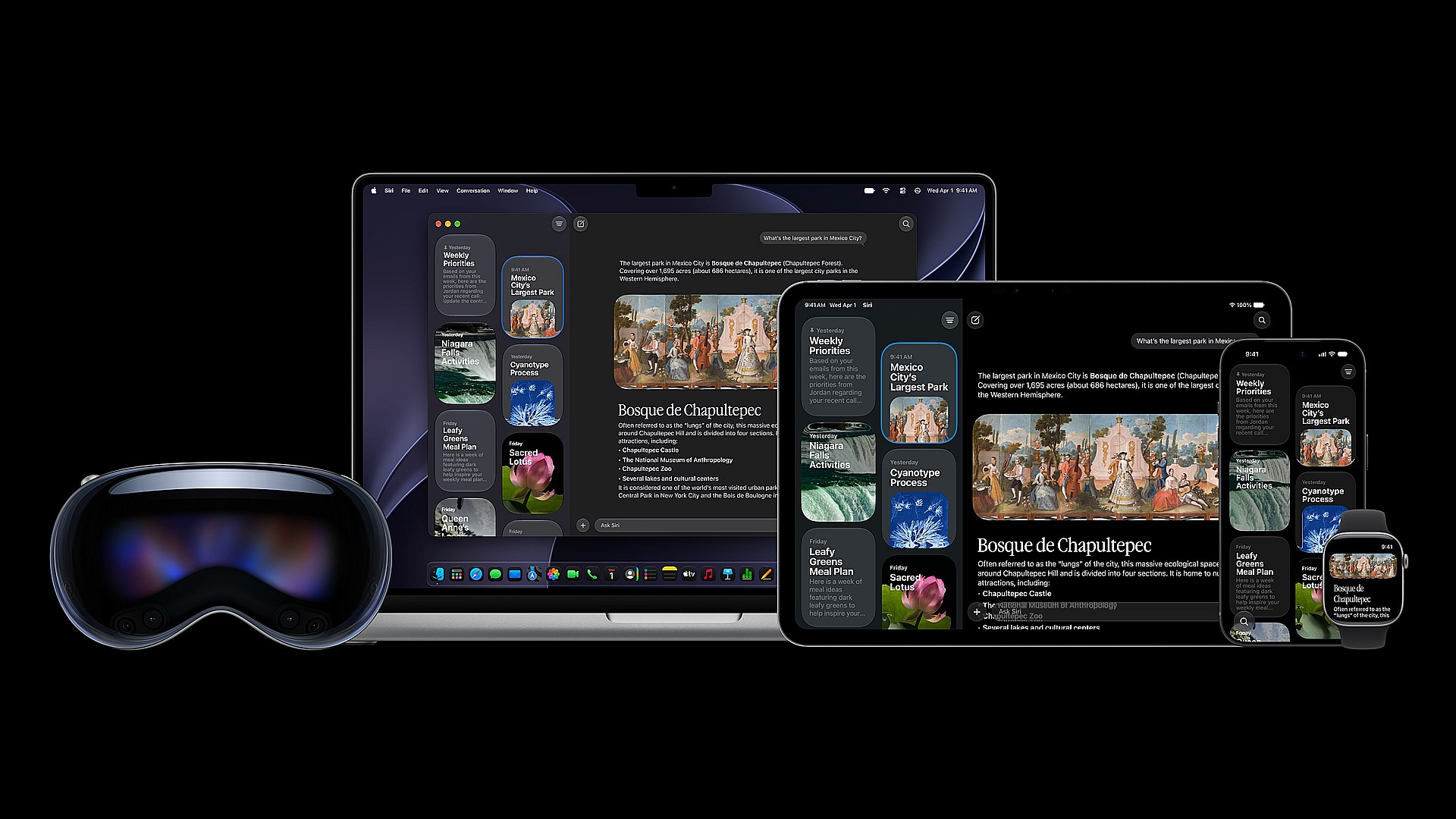
Japan Gets First Access to iOS 27’s Siri AI — While the Rest of the World Waits
Apple began rolling out iOS 27 in Japan on September 15, bringing its most significant Siri overhaul to date alongside a suite of image-generation tools, performance gains, and a redesign of parental controls. The company positioned the update as a global release, but the realities of Apple Intelligence eligibility tell a more complicated story.
Siri AI is the headline feature. Apple describes it as a version capable of understanding personal context, reading the screen, and executing cross-app tasks — a substantial jump from the command-and-response Siri that has defined the assistant since 2011. The English-language beta is available now; Japanese support arrives in October, along with Italian, German, and Chinese. Apple has pledged additional languages afterward.
But the eligibility requirements are where the divide becomes visible.
The Hardware Gate Is Real
Siri AI and the broader Apple Intelligence suite require specific processors. In practice, that means iPhone 15 Pro, iPhone 16 and 17 models, and the new iPhone Air. Anything older — the iPhone 14 lineup, iPhone 13, iPhone 12, iPhone 11 — gets the iOS 27 update itself but not the AI features.
That’s a deliberate choice by Apple. The company has consistently tied its AI capabilities to silicon that can handle on-device machine learning workloads without offloading to the cloud. The implication is that roughly half of the installed iPhone base in many markets won’t have access to Siri AI for the foreseeable future.
The visual impact matters more than the technical one. When competitors like Google and Samsung roll out AI features that work on older hardware through cloud processing, Apple’s hardware gate looks less like a quality decision and more like a refresh cycle accelerator. Users who upgraded to iPhone 14 Pro or iPhone 15 non-Pro last year are now on the outside of the AI wave.
Japan Is Not a Beta Market — It’s a Language Priority
The Japanese rollout is notable not because Japan receives features ahead of the US or Europe, but because language support is staged carefully. English lands first, Japanese in October. That sequencing suggests Apple is prioritizing English-language testing before expanding to languages where nuance and cultural context in AI responses carry higher risk of missteps.
China is a different case entirely. Apple Intelligence features are unavailable there due to regulatory requirements. The company hasn’t announced a timeline for compliance. Users in mainland China with eligible hardware are getting iOS 27 but no Siri AI at all.
The EU faces a separate restriction. Siri AI isn’t launching there initially. Apple has cited regulatory uncertainty around AI governance as the reason. The company may add EU support later, but the timing is unclear.
The Features Themselves: AI Tools Wrapped in Existing Apps
Siri AI introduces several distinct capabilities beyond improved voice recognition.
The camera app now includes a Siri mode that identifies what’s on screen and offers contextual actions. Point your iPhone at a restaurant bill and Siri can calculate a split, initiate an Apple Cash payment, or add the merchant to Wallet. The Visual Intelligence feature lets you ask Siri questions about anything visible in your camera frame — a product label, a menu item, a piece of text.
Write with Siri allows the assistant to draft and refine text based on user prompts. The Siri app itself syncs conversation history across devices via iCloud, so a chat started on iPhone continues on Mac or iPad.
Other AI features are distributed across existing apps rather than concentrated in Siri. The Photos app gains Spatial Reframing (adjusting composition after capture), Extend (expanding image borders), and an upgraded Clean Up tool. Image Playground generates images using Apple’s generative AI, watermarked with the SynthID standard for AI-generated content. Safari gets tab organization by topic and price-drop notifications for tracked items.
Limits Are Coming — And They’re Already Stated
Apple has confirmed that Apple Intelligence features will include daily usage limits. The company hasn’t disclosed the thresholds. Industry analysts expect these limits to be tightened over time, with premium access becoming a paid tier. This is consistent with how Google and Microsoft have structured their AI product strategies — generous free tiers that become restrictive for power users.
The financial model is still being written. Apple hasn’t announced pricing for expanded Apple Intelligence access. But the architecture suggests it will become a monetized feature rather than a universally included one.
Performance Gains and Design Tweaks
Beyond AI, iOS 27 delivers measurable speed improvements. App launch times are up to 30 percent faster on iPhone and iPad. Photo loading after capture improves by up to 70 percent. AirDrop transfers speed up by up to 80 percent. iPad file browsing and USB drive transfers are up to five times faster.
The Liquid Glass design language carries over from visionOS with refinements. A new slider in Settings lets users adjust transparency levels. App icons have been sharpened.
Other updates include custom EQ for AirPods, Apple GymKit heart rate sync for AirPods Pro 3, menopause tracking in the Health app, AI-enhanced Flyover views in Apple Maps, high-resolution audio support on Apple TV, and a redesigned Podcasts app.
Who’s Left Behind
The eligibility list for full Apple Intelligence features is narrow:
- iPhone 15 Pro and Pro Max
- iPhone 16, 16 Plus, 16 Pro, 16 Pro Max
- iPhone 16e
- iPhone 17, 17 Air, 17 Pro, 17 Pro Max
- iPad mini with A17 Pro
- iPad with M1 or later
- MacBook with A18 Pro or M1 and later
- Apple Vision Pro
- Apple Watch Series 9 and later
That excludes iPhone 11 through 14 (non-Pro), iPhone SE, and older iPads and Macs. In markets where those devices remain popular — particularly emerging economies and budget-conscious segments — Apple Intelligence is effectively unavailable.
The iOS 27 update itself installs on iPhone 11 and later, including SE models. So those devices get the performance improvements and design changes but none of the AI capabilities.
What This Means for Apple’s AI Strategy
Apple is pursuing a hardware-locked AI strategy that prioritizes on-device processing over cloud-based flexibility. The approach has trade-offs. It delivers stronger privacy guarantees and lower latency for eligible devices. It also creates a two-tier user experience that deepens with each new AI feature.
The Japanese launch sequence reveals Apple’s priorities: English beta first, Japanese in October, other languages following. Regional restrictions in China and the EU demonstrate that AI features are susceptible to local regulation in ways that core OS updates are not.
The daily usage limits and potential paid tiers signal that Apple views Apple Intelligence as a recurring revenue opportunity rather than a platform upgrade. The company hasn’t confirmed pricing yet, but the structural setup is clear.
For iPhone owners with older devices, the message is unambiguous: iOS 27 improves your phone, but it won’t make it smarter. The intelligence requires newer silicon, and Apple isn’t planning to change that requirement.
The Japan-first launch is a marketing moment. The AI divide is the lasting consequence.