Apple's iPhone 18 Price Leap Signals a Brutal Bet on Japan's Wealthiest Buyers
iPhone 18 Pro Max could see a 70,000-yen jump, pushing flagship prices past 260,000 yen. Apple is betting the Japanese market will pay up — or cede ground to Samsung permanently.
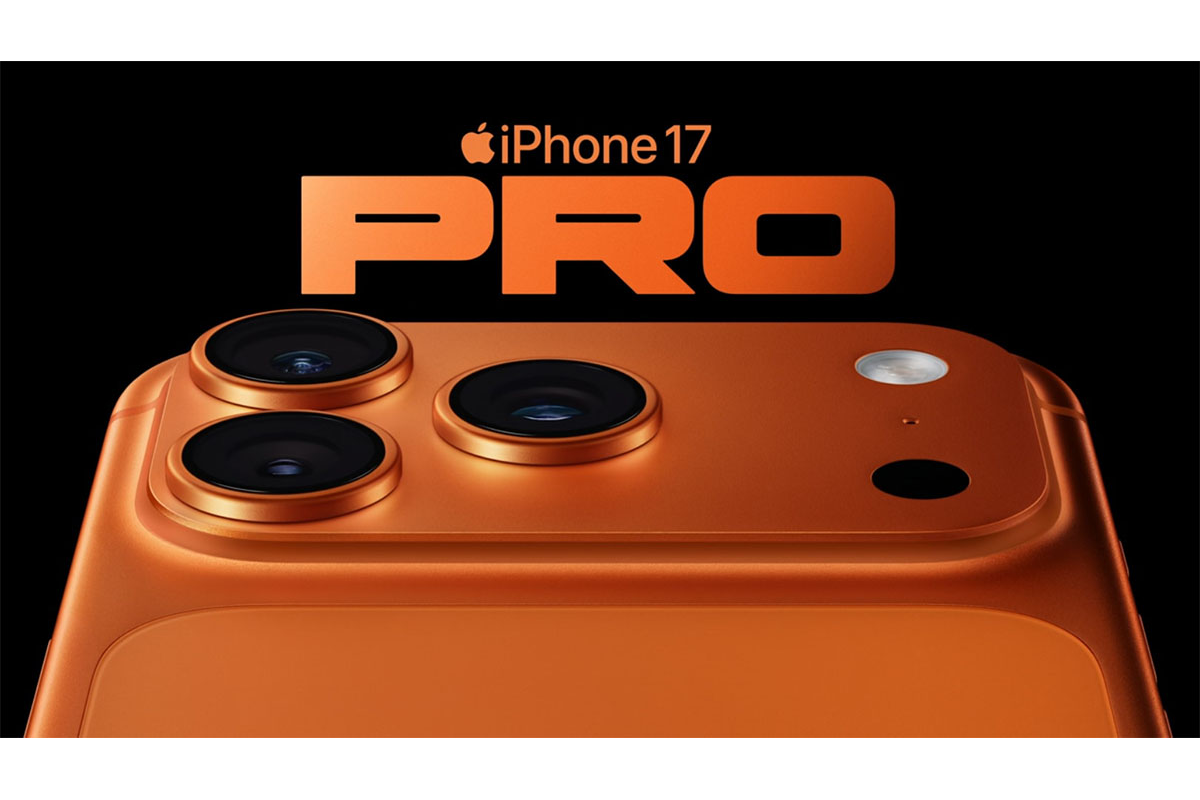
Apple Is Betting Japan Can Absorb Another Price Shock
The Japanese smartphone market is one of the most expensive on Earth, and Apple just made it even more so. According to a recent analysis by ASCII.jp, the iPhone 18 Pro Max could cost as much as 260,000 yen at launch — roughly 70,000 yen more than the iPhone 17 Pro Max did last autumn. That is not a rounding error. It is a deliberate signal.
Apple is no longer trying to win Japan broadly. It is trying to win the buyers who already buy iPhones, and it is raising the price of admission to filter out everyone else.
The Numbers Behind the Leap
Let us trace the arithmetic, because it tells the real story.
In July 2025, Apple quietly raised Japanese iPhone 17 prices without touching US pricing. The reason was simple: the yen had weakened to roughly 160 per dollar. Apple passed that currency shift directly onto Japanese consumers. The iPhone 17 Pro Max 512GB went from 229,800 yen to 249,800 yen. The 2TB model leaped from 329,800 to 354,800. US prices stayed frozen at $1,399 and $1,999 respectively. The burden fell entirely on Japan.
Now comes iPhone 18. ASCII.jp’s central prediction — and the one that deserves the most attention — combines two shifts into a single pricing escalation:
First, the base storage jumps from 256GB to 512GB across the Pro line. Apple typically uses storage ladder increases to soften headline price moves. Consumers notice the bigger number but may not immediately connect it to a steeper effective price per gigabyte.
Second, and more consequential, the Pro Max itself is expected to gain another $100 in the US, moving from $1,399 to $1,499. Apply the same 160-yen rate and you get approximately 263,800 yen before tax. That puts the starting price at roughly 260,000 yen — a full 70,000 yen above where the iPhone 17 Pro Max started in the previous cycle.
No other major Android flagship in Japan has moved this aggressively. Samsung’s Galaxy Z Fold8, Apple’s closest rival in the premium segment, retails from 269,880 yen in Japan — but that pricing reflects a deliberately favorable exchange-rate assumption that Samsung applies only to the Japanese market. Apple does not play that game. It prices Japan at parity with global dollar rates.
Why This Matters Beyond Japan
Japan is not the biggest smartphone market in the world. But it is Apple’s second-most important market after the United States, and it is the one market where Samsung still commands genuine consumer loyalty. Japanese buyers are among the most brand-loyal in the world, but they are also extremely sensitive to yen depreciation. When Apple pushes prices beyond 250,000 yen, it is testing whether that loyalty can survive a price barrier that would deter most buyers outright in any other market.
The risk is real. A 70,000-yen increase is not a small bump. It is the kind of move that pushes potential buyers toward the standard iPhone — if there is a standard iPhone available. Which raises another question: Apple may release the iPhone 18 Pro and Pro Max only this autumn, pushing the standard iPhone 18 to spring 2026. That means for the next six months, the only way to buy an iPhone 18 is at the very top of the range. There is no cheaper entry point to catch people who flinch at 260,000 yen.
That is a bold sequencing choice. It suggests Apple believes thePro Max buyer is not price-sensitive enough to matter, and that the people who will buy a phone this fall will buy whatever Apple offers, regardless of cost.
The Foldable Calculus
Then there is the foldable iPhone, long rumored and still unannounced. If it arrives, it will cost more than the Pro Max. ASCII.jp estimates it would land between $1,799 and $1,999 in the US — which translates to roughly 317,000 to 352,000 yen in Japan. Getting under 300,000 yen appears virtually impossible.
Samsung’s Galaxy Z Fold series already sits above that threshold in Japan. Apple would be entering the foldable market at a price point that positions it squarely at the ultra-premium end — effectively declaring that foldables are not for anyone who cares about value. It mirrors Apple’s broader playbook: enter late, enter expensive, let competitors eat the middle.
Who Wins, Who Loses
The winner here is Apple’s margin. Every yen of price increase flows directly to the bottom line when costs are dollar-denominated and revenue is yen-denominated. With semiconductor prices rising globally, Apple needs every dollar of pricing power it can muster. The Japanese market, with its captive user base and low price elasticity, is the logical place to extract it.
The loser is anyone considering an upgrade who is not already committed. The iPhone 18 Pro Max at 260,000 yen is no longer a phone purchase. It is a lifestyle decision. For the average Japanese consumer — already feeling the bite of yen weakness on everything from groceries to energy bills — that is a meaningful threshold to cross.
Samsung stands to gain. Not dramatically, but enough. The Galaxy S25 and Z Fold lines already underprice the equivalent iPhone tier in Japan. If Apple continues to widen that gap, even loyalists may pause. Japanese mobile carriers, which bundle phones with service plans, will feel the squeeze too — higher device subsidies mean thinner margins or higher monthly fees.
What Happens Next
Watch two things. First, whether Apple announces a standard iPhone 18 alongside the Pro models this fall. If it does not, the pricing gap between entry-level and flagship iPhone in Japan will be wider than it has ever been, and that fragmentation could accelerate a slow drift toward Android among mid-range buyers. Second, watch how quickly Samsung responds. If Apple pushes iPhone prices to 260,000 yen and Samsung holds steady, the competitive dynamic in Japan’s premium segment shifts decisively — not because Samsung is outperforming Apple on technology, but because Apple is pricing itself out of reach for a segment it previously held comfortably.
The iPhone 18 Pro Max will likely still sell well. Apple’s brand power in Japan is unmatched. But the margin gains from a 70,000-yen increase come with a quiet cost: every yen higher raises the risk that the next cycle’s upgrade buyers look elsewhere. Apple is betting it can absorb that risk. The yen has other ideas.