Apple Shrinks the Island, But Screen Protectors Sink Face ID
Japan was first to flag it: iPhone 18 Pro's repositioned infrared camera fails through matte and privacy films. Apple has updated its support page, but the incident reveals a deeper quality-control gap that will follow this phone globally.
Japan Caught It First — And That Should Worry Everyone
The iPhone 18 Pro shipped on September 18, 2026. By the next morning, Japanese social media was already full of a single complaint repeated in different words: put a screen protector on this phone and Face ID stops working.
Not some screens. Not in weird lighting. The moment you adhere an anti-glare matte film, a privacy-filter sheet, or a multi-layer tempered-glass composite to the display, the infrared cameras embedded above the screen go blind.
This is not a software glitch. It is a hardware-design decision colliding with a $15 accessory market, and Apple is still figuring out how to explain it.
What Changed Inside the iPhone 18 Pro
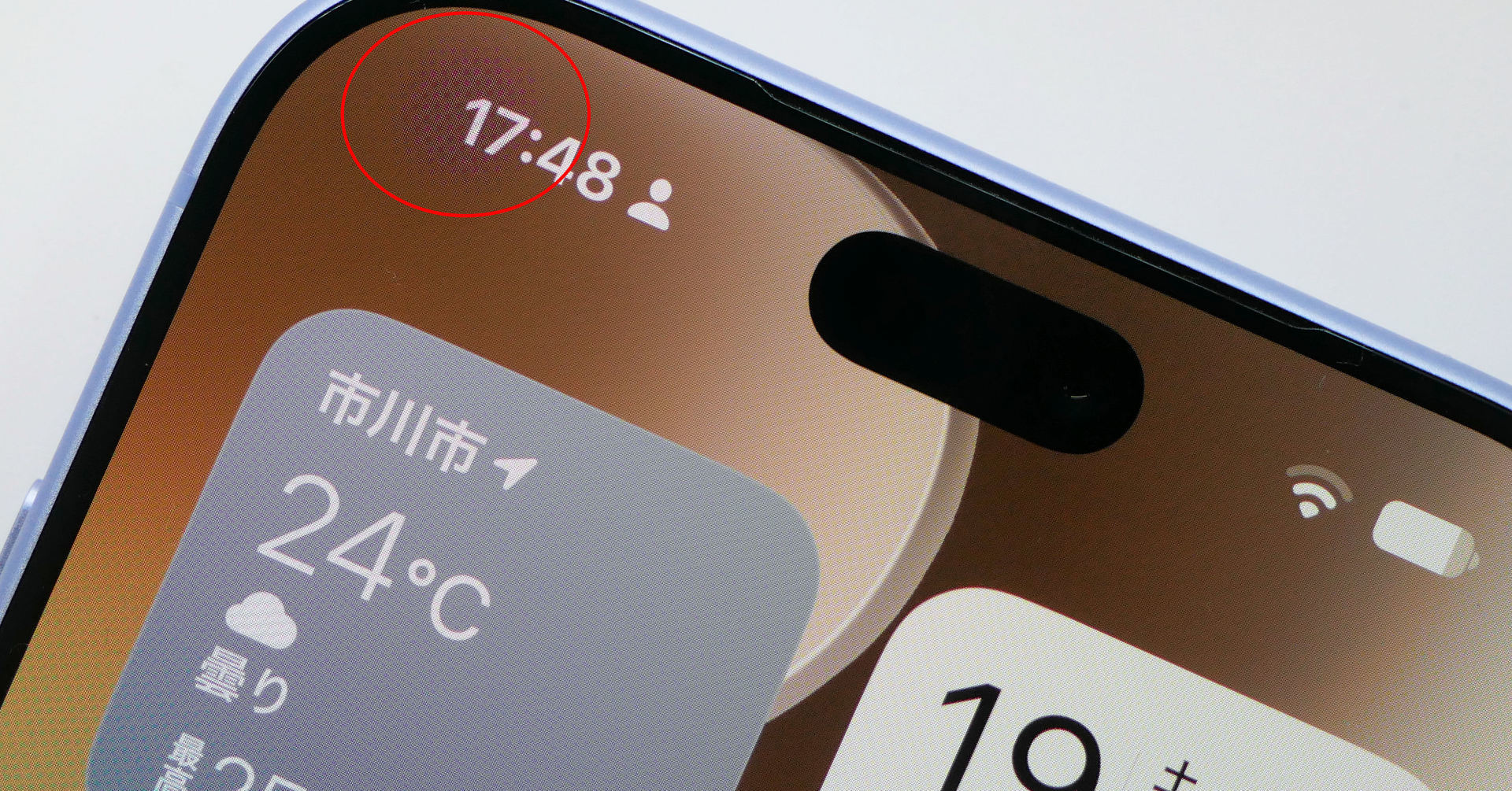
To understand the failure, you have to understand the redesign. Apple shrunk the Dynamic Island — the pill-shaped cutout that houses Face ID sensors — and in doing so relocated the infrared camera array. Instead of sitting directly behind the island, the IR sensors are now embedded beneath the display panel in the upper-left corner of the screen, outside the Dynamic Island’s physical boundary.
The mechanism sounds clever on paper. Apple adjusted pixel density in that specific zone to let infrared light pass through the display stack. The theory is that the camera can see your face through the pixels themselves. The practice, it turns out, is far more fragile.
Most screen protectors on the market are not engineered for infrared transparency. Matte anti-glare films scatter IR light the same way they scatter visible light — that’s literally their purpose. Privacy filters block light from sideways angles, which means they also block the IR beam traveling from your face to the sensor. Composite glass laminates add yet another layer of refraction.
Put any of these on the iPhone 18 Pro, and the sensor either sees nothing or sees a scrambled version of your face. Face ID fails.
Who Got Burned First
Japanese accessory manufacturers moved fast. Trinity, NIMASO JAPAN, PGA, and Telefon Lease (listed in local reports as Rastabanana) all announced voluntary recalls, sales suspensions, and refund programs within days of the iPhone 18 Pro launch. These are established companies with distribution channels across the country. They did not anticipate the compatibility issue before releasing products designed for the new form factor.
That timing matters. These companies tested their films against existing iPhone models. The iPhone 18 Pro’s repositioned sensor was apparently not part of their testing protocol — or Apple did not communicate the hardware change until after the phone was in consumers’ hands.
Apple’s Response: A Support Page Update
Apple responded by updating its official support document titled “What to Do If Face ID Doesn’t Work on Your iPhone or iPad Pro.” The revision does three things worth noting.
First, it explicitly states that the TrueDepth camera on the iPhone 18 Pro is located near the top-left corner of the device — information that was absent from previous support pages. This is a tacit admission that the camera placement is unusual enough to require clarification.
Second, it adds a new troubleshooting section specifically for the iPhone 18 Pro’s Face ID system. The first item on the list: remove privacy-filter screen protectors.
Third, it retains standard environmental guidance — avoid strong backlight, adjust mask position, remove glasses in low light — but wraps it all around the screen-protector problem as if it were an edge case rather than the root cause.
The language is careful. Apple does not say its design caused the problem. It says consumers should remove certain films. The implication is that the onus is on the accessory buyer, not the manufacturer.
Why This Matters Beyond Japan
Japanese consumers reported this issue first because Japan is one of the few markets where third-party screen protectors are sold at such high volume and variety that incompatibility surfaces within hours rather than months. In the US and EU, the same complaints will appear — they already are appearing on Reddit and Twitter — but the scale will be smaller simply because fewer buyers apply matte or privacy films to their phones.
That does not make the problem smaller. It makes it harder to detect early.
The iPhone 18 Pro’s sensor relocation is a legitimate engineering choice. Shrinking the Dynamic Island improves screen real estate and aesthetic continuity. But Apple has a pattern of prioritizing internal design changes without adequate testing against the accessory ecosystem that surrounds its products. The result is always the same: consumers buy a $1,000 phone and discover half the protection products on the market make a core feature stop working.
The Bigger Question: Who Tests This?
Here is what is missing from every public statement about this issue. No one at Apple appears to have tested Face ID through the full range of commercially available screen protectors before announcing the iPhone 18 Pro. Not matte films. Not privacy filters. Not the multi-layer composites that dominate the Asian accessory market.
This is not a niche problem. The global screen-protector market exceeds $3 billion annually. Products designed for previous iPhone models will not work correctly on this one. Accessories that Apple itself sells or certifies may also be affected — the company has not clarified whether its own branded protectors passed compatibility testing.
The accessory makers who issued recalls did so responsibly. But responsibility does not absolve the manufacturer of the design decision that created the problem in the first place.
What Happens Next
Apple’s updated support page is a stopgap. It will reduce customer-service calls, but it does not fix the underlying incompatibility. Consumers who bought privacy films or matte protectors for their new iPhone 18 Pro will need to remove them or replace them with certified IR-transparent alternatives — a cost and inconvenience Apple’s support document frames as the user’s problem to solve.
The three-month window between launch and formal response is also notable. Japanese reports indicate the issue was widespread from day one. Apple took at least 72 hours to acknowledge the sensor repositioning publicly. In a market where competitor launches are timed to exploit exactly these kinds of early-adopter frustrations, that delay is conspicuous.
Expect accessory makers to respond with iPhone 18 Pro-compatible films in the coming weeks. Some will carry Apple certification; others will not. The market will sort itself out, as it always does. But the incident leaves a question that Apple should answer directly: when you relocate a sensor to shrink a cutout, who bears the cost of the ecosystem that breaks because of it?