Apple's iPhone Duo Changes Everything
Apple's first foldable iPhone signals a bet on form factors that don't yet have a market lead. Here's what the iPhone Duo moment actually means for the company and its new CEO.
The Real Story Isn’t the iPhone 18 Pro — It’s What Comes Next
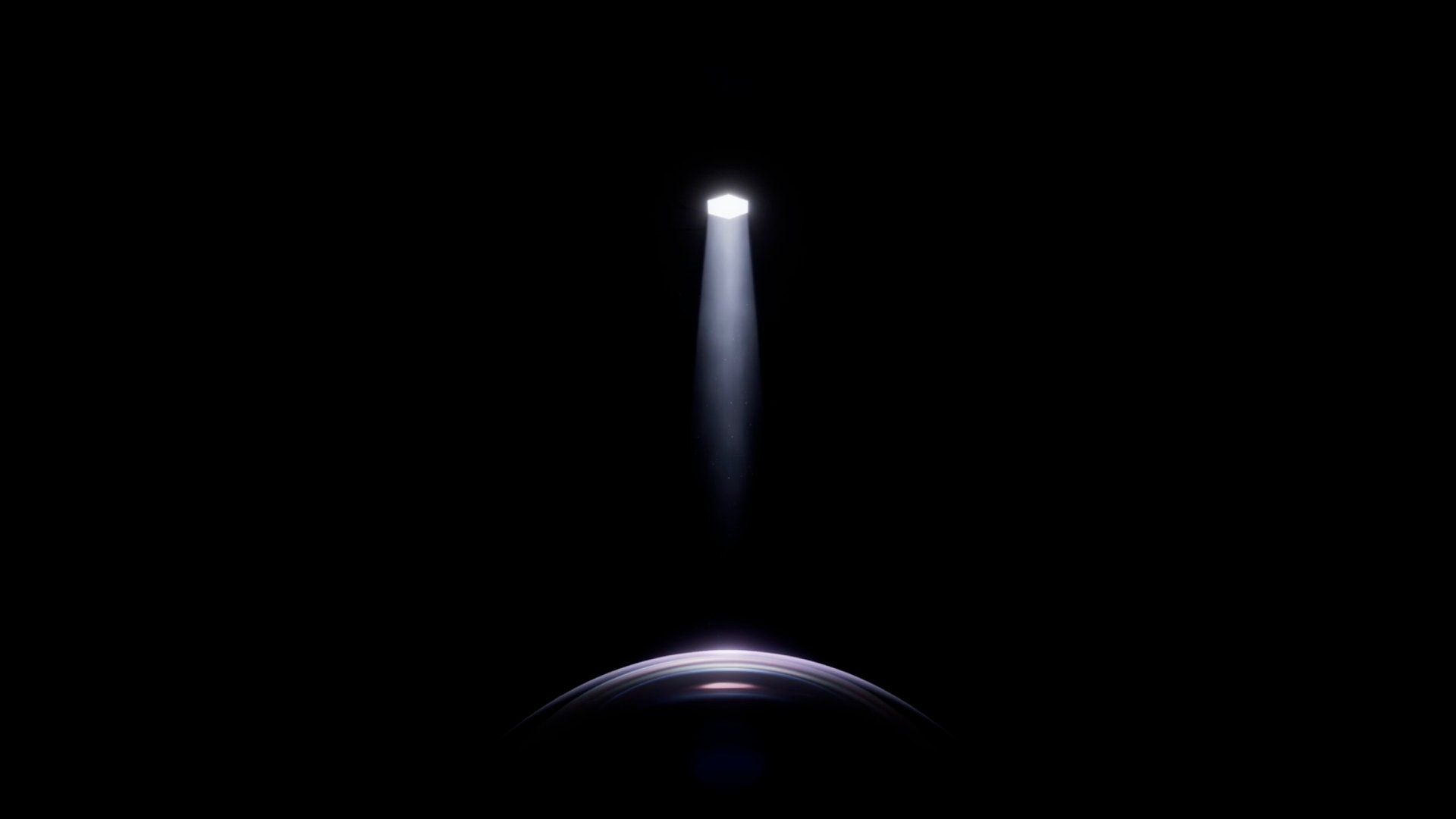
Apple just dropped a teaser video ahead of its September 9 event, and the message is oddly specific. A beam of light hits the edge of an iPhone, coming from a hexagonal shape that shifts size. On its face, it’s a slick visual gag hinting at a mechanical aperture upgrade for the iPhone 18 Pro’s camera system.
But the real story is bigger than a single camera sensor tweak.
Apple is expected to unveil the iPhone 18 Pro, iPhone 18 Pro Max, and its first-ever foldable iPhone — the so-called iPhone Duo — all in the same afternoon. That second device is the one worth paying attention to, especially with John Ternus now at the helm.
A New CEO With a Hardware Background
Ternus took over as Apple’s CEO on September 1, succeeding Tim Cook, who has moved to executive chairman. This is the first event under the new leadership, and the choices being made here matter.
Ternus isn’t a marketing figurehead. He joined Apple in 2001, became VP of hardware engineering in 2013, and was promoted to SVP of hardware engineering in 2021. He’s been inside the machine that builds Apple’s physical products for over two decades. His appointment signals that Apple wants its next era defined by engineering credibility, not just brand stewardship.
A foldable iPhone announced at his first event is not an accident. It’s a statement about what kind of company he intends to lead.
The Foldable Bet Nobody Asked For
Samsung has been shipping foldable phones since 2019. Huawei, Honor, Xiaomi, and Oppo have all pushed variants into the market. The category is real. It’s also still struggling with something Apple has never had to figure out: mainstream adoption.
Global foldable phone shipments have grown year over year, but they remain a niche — roughly 5 to 8 percent of premium smartphone sales depending on the region. The crease problem, the durability concerns, the premium pricing: these haven’t gone away. They’ve just been accepted as the cost of entry.
Apple entering this space doesn’t solve those problems by default. But it does force the industry to confront them differently, because Apple brings three things the others don’t: ecosystem lock-in, design credibility, and a supply chain that can drive costs down faster than anyone else.
The iPhone Duo isn’t going to sell millions of units on day one. It might not even be good enough to replace your current phone. But if Apple gets it right — and the question is whether Ternus will demand he does — it changes the trajectory of a category that’s been stuck in place.
The Camera Upgrade Isn’t About Specs
Back to that teaser video. The hexagonal light pattern almost certainly references rumors of a variable mechanical aperture on the iPhone 18 Pro’s 48-megapixel Fusion camera. This would let the lens physically adjust the amount of light entering the sensor, giving users direct control over depth of field — something photographers already take for granted on dedicated cameras.
There’s a catch. Smartphone sensors are tiny. Even with a variable aperture, the physics of depth of field on a sensor that size mean the effect may be subtle. It won’t turn an iPhone into a mirrorless camera.
But here’s what that upgrade really signals: Apple is still investing in imaging as its differentiator. In a market where processor speed and battery life have plateaued in public perception, the camera remains the one spec people actually compare across brands. Apple knows this. The variable aperture is a continuation of that strategy, not a leap.
Price Is the Question
Research firm TrendForce has estimated the iPhone 18 Pro starting price at around $1,249, up from $1,099 for the iPhone 17 Pro. That’s a $150 increase before we even factor in the foldable iPhone Duo’s likely sticker shock. Apple’s premium devices have been creeping upward in price for years, and this year’s event could accelerate that trend.
Higher prices matter. They narrow the addressable market. They give competitors like Samsung and Google room to position their alternatives as the smarter value play. And they test loyalty — especially from users who’ve been holding onto their phones longer as upgrade cycles stretch.
Who Wins and Who Loses
Apple wins if the iPhone Duo arrives with enough polish to make the foldable form factor feel inevitable. Even a modest revision to the category shifts the conversation from “is this a gimmick” to “when will I get one.”
Samsung loses if Apple steals its defining product moment. The Galaxy Z Fold series gave Samsung a decade of being the default answer to “which company makes foldable phones.” That identity is fragile, and Apple’s entry could crack it.
Consumers win only if Apple’s involvement drives down the cost and improves the reliability of foldable displays industry-wide. That’s a bet, not a guarantee.
What Happens Next
Apple’s event today at the Steve Jobs Theater will be covered live by MacRumors and every major tech outlet. Expect announcements across the board: iPhone 18 Pro, iPhone 18 Pro Max, iPhone Duo, Apple Watch Series 12, Apple Watch Ultra 4, AirPods 5. It’s the busiest September event in recent memory.
But the outcome that will ripple beyond tech news depends on one thing: whether the iPhone Duo feels like the future of phones, or just another experiment wearing the Apple badge.
Ternus’s first act as CEO is a chance to define what Apple means in the next phase of smartphone evolution. The aperture tease was clever. The foldable is the real test.