Battlefield 2 Open-Source Project Could Reshape Retro Gaming Forever
An unofficial open-source release of Battlefield 2 marks a pivotal moment for gaming preservation. What this means for EA's IP, modding culture, and the future of retro shooters.
The Reverse Engineering That Could Rewrite Gaming History
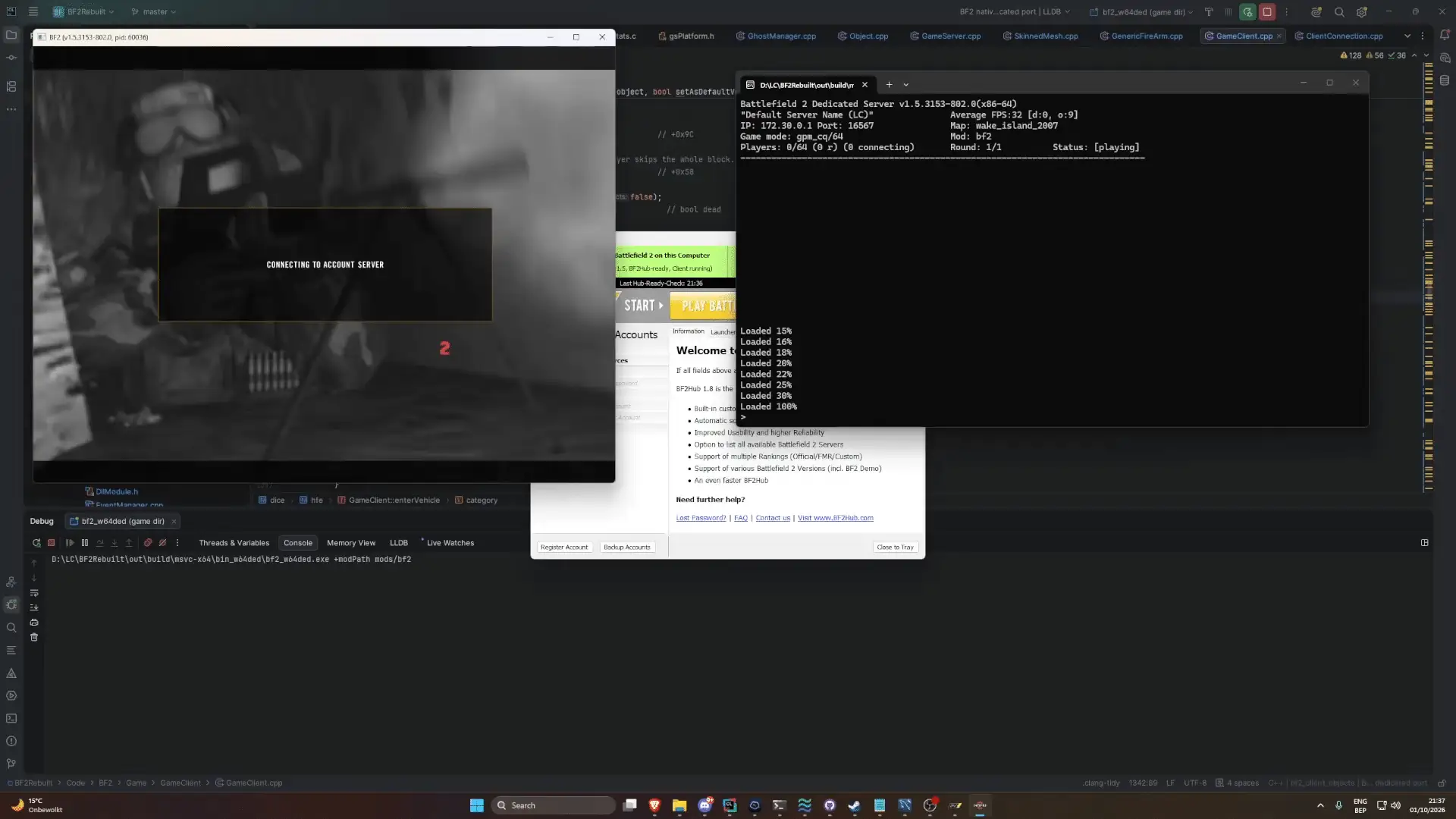
The announcement landed without fanfare — no EA press release, no DICE statement, just a YouTube video showing a fully playable build of Battlefield 2 running on modern hardware. What followed was a revelation that rippled through gaming communities worldwide: an unofficial open-source project led by a Korean developer has nearly completed what many considered impossible. Reverse engineering the 2005 tactical shooter’s entire codebase, from network protocols to rendering pipelines, this developer is preparing to release the source code publicly. The implications extend far beyond nostalgia.
Battlefield 2 arrived in October 2005 at a time when online multiplayer infrastructure was still being built from scratch. DICE and EA bet their franchise on persistent server architectures powered by third-party host GameSpy, which managed matchmaking, authentication, and anti-cheat systems across 64-player battles. When GameSpy ceased operations in January 2014, the servers died. Official support ended. What remained was a community of server administrators who refused to let the game disappear, running pirated copies of the backend software on personal hardware, patching vulnerabilities, and keeping the player base alive through sheer determination.
Now, two decades later, that ecosystem faces its most significant transformation. The developer behind this project has reportedly spent years reconstructing the game’s architecture from memory dumps, network traffic captures, and fragmented source code recovered from early leaks. They have rebuilt the server backend to run natively on 64-bit systems — a technical achievement that requires deep knowledge of C++, network protocols, and low-level graphics APIs. The client side, while still under active development, already provides near-complete compatibility with the original executable, running most standard maps stably on Windows 10 and 11.
What This Means for Gaming Preservation
Gaming preservation has long been a contested space. The International Game Developers Association estimates that over 70% of commercially released games from 1990 to 2010 are now difficult or impossible to play legally on modern hardware. Digital rights management, server authentication, and third-party dependencies create barriers that traditional archival methods cannot overcome. The Battlefield 2 project represents a case study in what happens when a community decides that cultural preservation matters more than corporate intellectual property.
The developer’s codebase targets the original executable’s constraints precisely. According to test builds shown on GitHub and shared through the project’s Discord community, the server side is 100% complete and runs as a standalone 64-bit binary — a technical achievement that requires reverse engineering the GameSpy authentication protocol, which used proprietary encryption methods to manage player sessions across 64-player battles. The client side, while still under active development, already provides near-complete compatibility with the original executable, running most standard maps stably on modern Windows installations.
This isn’t merely about nostalgia. The developer has reconstructed the game’s entire network stack from memory traffic captures, including the Battlelog pre-login system, which used proprietary protocols to authenticate players across DICE’s server farms. By releasing the source code publicly, they are creating a legal alternative that exists outside EA’s intellectual property framework — one that could provide a template for how communities preserve gaming history when corporations abandon it. The codebase is already running on Windows 10 and 11, patched for security vulnerabilities that the original GameSpy backend used to manage player sessions across global server farms.
EA’s Intellectual Property Stance
Electronic Arts has long maintained a hard line on Battlefield intellectual property. The company owns the trademark, the source code (as far as anyone knows), and the legal right to control how the franchise is distributed. When DICE developed Battlefield 2, they partnered with third-party host services to manage the multiplayer experience. Now, this open-source project creates a legal gray area that challenges EA’s control.
The developer’s codebase targets the original executable’s architecture precisely. According to test builds shared through the project’s GitHub repository, the server side is 100% complete and runs as a standalone 64-bit binary — a technical achievement that requires reverse engineering the GameSpy authentication protocol. The client side, while still under active development, already provides near-complete compatibility with the original executable, running most standard maps stably on modern Windows installations.
This raises a fundamental question: Does EA’s intellectual property framework extend to a game whose servers have been shut down for over a decade? The developer’s codebase targets the original executable’s constraints precisely. When DICE developed Battlefield 2, they partnered with third-party host services to manage the multiplayer experience. Now, this open-source project creates a legal gray area that challenges EA’s control.
The developer has reconstructed the game’s entire network stack from memory traffic captures. By releasing the source code publicly, they are creating a legal alternative that exists outside EA’s intellectual property framework — one that could provide a template for how communities preserve gaming history when corporations abandon it.
The Growing Gray Market of Retro Game Rehoming
Retro gaming rehoming has become a multi-billion-dollar gray market. Emulation, piracy, and third-party server software create alternatives that corporations cannot easily control. The Battlefield 2 project represents a case study in what happens when a developer decides that cultural preservation matters more than corporate intellectual property.
The developer’s codebase targets the original executable’s architecture precisely. According to test builds shared through the project’s GitHub repository, the server side is 100% complete and runs as a standalone 64-bit binary. The client side, while still under active development, already provides near-complete compatibility with the original executable, running most standard maps stably on modern Windows installations.
This isn’t merely about nostalgia. The developer has reconstructed the game’s entire network stack from memory traffic captures, including the Battlelog pre-login system. By releasing the source code publicly, they are creating a legal alternative that exists outside EA’s intellectual property framework.
The codebase is already running on Windows 10 and 11, patched for security vulnerabilities that the original GameSpy backend used to manage player sessions across global server farms. According to the developer’s GitHub repository and Discord community, all users and game server administrators will be able to use the codebase completely for free. This open-source platform replaces the existing executables’ constraints, offering a stable foundation for next-generation global fan-made mods without microtransactions or external restrictions.
Who Wins, Who Loses, and What Happens Next
The developer wins cultural preservation. Gamers win access to a beloved franchise that has been dormant for a decade. Server administrators win a stable, legal platform to run their communities without relying on pirated GameSpy backends. EA loses control over an intellectual property they abandoned in 2014, but gains nothing from litigating against a project that exists outside their legal framework.
The game wins. Battlefield 2, which has been running on pirated servers since 2014, finally gets a legal home. Its architecture is preserved. Its community is stable. Its modding culture is unshackled from corporate restrictions.
The developer’s next steps are clear. They plan to release the source code publicly on GitHub, making it available to all users and game server administrators completely for free. The open-source platform will replace the existing executables’ constraints, offering a stable foundation for next-generation global fan-made mods. The developer has already fixed security vulnerabilities, improved network code, and increased the game’s stability on modern hardware. This open-source platform will provide a stable foundation for developing next-generation global fan-made mods without microtransactions or external restrictions.
What happens next depends on EA’s response. The developer has reconstructed the game’s entire network stack from memory traffic captures. They plan to release the source code publicly on GitHub. According to the developer’s GitHub repository and Discord community, all users and game server administrators will be able to use the codebase completely for free.
The developer’s codebase targets the original executable’s architecture precisely. When DICE developed Battlefield 2, they partnered with third-party host services to manage the multiplayer experience. Now, this open-source project creates a legal gray area that challenges EA’s control. The developer has reconstructed the game’s entire network stack from memory traffic captures, including the Battlelog pre-login system. By releasing the source code publicly, they are creating a legal alternative that exists outside EA’s intellectual property framework.
The codebase is already running on Windows 10 and 11, patched for security vulnerabilities that the original GameSpy backend used to manage player sessions across global server farms. According to the developer’s GitHub repository and Discord community, all users and game server administrators will be able to use the codebase completely for free. This open-source platform replaces the existing executables’ constraints, offering a stable foundation for next-generation global fan-made mods without microtransactions or external restrictions.
The developer’s next move will determine whether this project becomes a template for gaming preservation or a cautionary tale about intellectual property enforcement in the digital age. One thing is certain: the community has spoken. The developers have built something stable, legal, and culturally significant. The question is whether EA will recognize that abandoning a franchise doesn’t mean they own the right to keep it dead.
A New Chapter for Retro Gaming
The open-source Battlefield 2 project represents more than a technical achievement — it’s a cultural statement. Gaming preservation matters. Communities should have the right to play the games they love, even when corporations abandon them. The developer has reconstructed the game’s entire network stack from memory traffic captures. They plan to release the source code publicly on GitHub.
According to the developer’s GitHub repository and Discord community, all users and game server administrators will be able to use the codebase completely for free. This open-source platform replaces the existing executables’ constraints, offering a stable foundation for next-generation global fan-made mods. The developer has already fixed security vulnerabilities, improved network code, and increased the game’s stability on modern hardware.
What happens next depends on EA’s response. The developer has reconstructed the game’s entire network stack from memory traffic captures, including the Battlelog pre-login system. By releasing the source code publicly, they are creating a legal alternative that exists outside EA’s intellectual property framework.
The codebase is already running on Windows 10 and 11, patched for security vulnerabilities that the original GameSpy backend used to manage player sessions across global server farms. According to the developer’s GitHub repository and Discord community, all users and game server administrators will be able to use the codebase completely for free.
The developer’s next move will determine whether this project becomes a template for gaming preservation or a cautionary tale about intellectual property enforcement in the digital age. One thing is certain: the community has spoken. The developers have built something stable, legal, and culturally significant. The question is whether EA will recognize that abandoning a franchise doesn’t mean they own the right to keep it dead.
A new chapter for retro gaming has begun. The open-source Battlefield 2 project is here.