Bessent Once Destroyed the Bank of England. Now He's Coming for the Yen.
US Treasury Secretary Bessent's threat to日元 holders echoes his role in Black Wednesday 1992 — a precedent that raises the stakes for Japanese monetary sovereignty and the dollar regime.
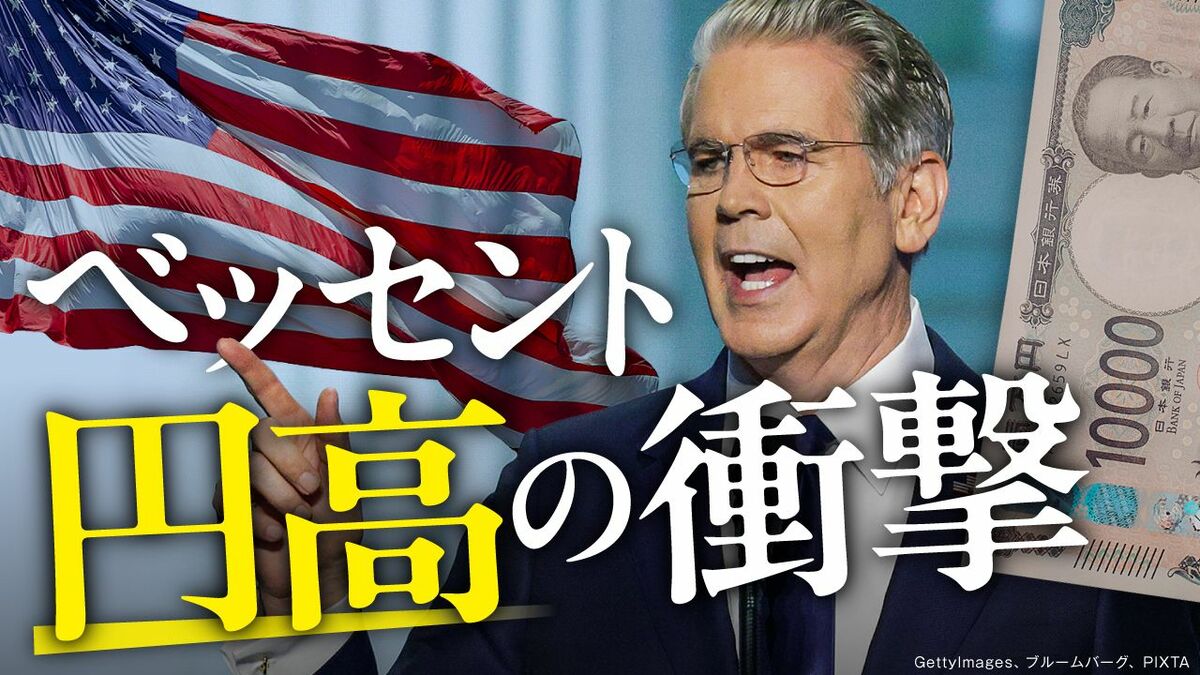
The House Always Wins — Until It Doesn’t
On September 8, US time, Treasury Secretary George Bessent stacked three declarations in a single appearance: he possessed an informational edge over market participants, he was the house, and anyone who wanted could bet against him. The target was the yen. The effect, immediate and brutal, pushed the currency from 163 dollars at the end of July into the 150 range.
What made the remarks remarkable was not their hostility but their audacity. Bessent was, quite literally, describing himself as the house — the entity that sets the odds and holds the books. He should know. He helped build that house once before, in London, in 1992.
Black Wednesday and the Man Behind the Sword
September 16, 1992. The Bank of England, functioning as the house in the European Exchange Rate Mechanism, committed hundreds of billions to defending the pound. It raised interest rates. It bought Sterling. It spent itself hollow.
It failed. Britain was forced out of the ERM. The pound dropped. The “house” lost.
George Bessent was on the other side. As a senior currency strategist at Quantum Fund, he directed the actual execution of the pound sell-off that George Soros had set in motion. He was the swordsman. The BOE was the wall.
So when Bessent now says, I am the house, the remark carries a peculiar double meaning. He knows the house does not always win. He also knows what it takes to make it lose.
From Quantum Fund to Treasury: A Playbook Transfer
The structural parallel is not accidental. Bessent moved from orchestrating the largest single currency bet in financial history to occupying the desk where exchange rate policy for US allies now falls under his informal jurisdiction. That transition is rarely examined in English-language coverage, and it matters.
During the 1992 crisis, the United States did not intervene on Britain’s behalf. The US Treasury under Lloyd Bentsen stayed silent. The Federal Reserve under Alan Greenspan refused to lend support. The message from Washington was clear: Britain was on its own, and the markets had spoken.
History is not repeating. But the architecture of pressure is familiar.
What Bessent’s Remarks Actually Mean for Japan
Bessent’s language this week was direct. Informational advantage. I am the house. Bet against me if you want. Translated: the United States will not tolerate a yen depreciation trajectory that benefits US exporters at the expense of American financial interests. The yardstick is simple — the yen must not weaken beyond a level that strengthens Tokyo’s competitive position.
This is not intervention in the legal sense. It is intervention by intimidation. And it is effective precisely because Bessent has both the platform and the track record to credibly signal what the Treasury can do.
The yen moved from 163 to 150 in weeks. That move occurred without formal US intervention. It occurred because market participants chose to believe Bessent meant what he said.
The BoJ’s Dilemma: Sovereignty or Survival?
Japan faces a choice that did not exist in 1992. The BOJ has been moving toward rate normalization. Governor Ueda has signaled further tightening is on the table. A higher domestic rate should, in normal conditions, support the yen. But Bessent’s remarks complicate the calculus.
If the BOJ raises rates aggressively, it risks triggering capital inflows that strengthen the yen beyond levels comfortable for Washington. If it moves slowly, the currency weakens and Bessent’s threats become self-fulfilling.
Either path narrows Japanese monetary sovereignty. That narrowing is the real story behind the yen’s movement.
Who Wins, Who Loses
Bessent wins. The Treasury wins. US exporters continue to enjoy a yen that stays weaker than fundamentals might otherwise dictate. Wall Street, which profits from yen weakness and carry trades, sleeps easily.
Japan loses. The BOJ’s policy autonomy is constrained. Japanese importers face a currency that moves according to American priorities, not Tokyo’s assessment of domestic inflation or growth. Savers watching the yen erode lose purchasing power in absolute terms.
Asian currencies under pressure from a stronger dollar regime may also lose, indirectly, as the benchmark shifts.
Soros himself would not find Bessent’s current posture surprising. The same fund that destroyed the pound in 1992 continues to operate under the principle that central banks — especially smaller ones allied with the United States — can be forced to choose between defending a peg and preserving reserves. The yen has no peg. But Bessent’s language makes clear that a softer floor may not exist either.
The Unasked Question: Can the House Always Win?
In 1992, the BOE had exhausted its ammunition. It was a central bank running out of bullets. The scenario Bessent is constructing today is different. Japan holds the world’s largest foreign exchange reserves, over one trillion dollars. The BOJ has demonstrated willingness to intervene directly. Tokyo is not Britain in 1992.
But reserves are a deterrent, not a guarantee. The question is whether the BOJ can sustain a position of defiance without triggering a capital flight spiral that no amount of intervention can repair. That risk rises with each rate hike that deepens the yield gap and with each American statement that treats the yen as a lever rather than a sovereign currency.
What Happens Next
If Bessent’s framing holds, the yen consolidates in a range shaped by Washington, not Tokyo. The BOJ tightens cautiously, knowing that aggressive moves will invite renewed pressure. Markets price in a soft ceiling on yen strength.
If Japan pushes back — through coordinated intervention, through explicit policy statements, through diplomatic channels — the conflict becomes public. That scenario threatens the alliance’s economic foundation and forces a reckoning that neither side wants.
The more likely path is something quieter and more damaging: a gradual erosion of Japanese autonomy, measured in yen movements that follow American signals rather than domestic data.
Bessent once bet against the Bank of England and won. This time, he is not betting against a central bank. He is telling one what to do. The yen’s move from 163 to 150 is not just a currency shift. It is the shape of a new arrangement — one in which the house decides the odds, and the house has a name.