Blizzard Kills Diablo 4 Expansions and Bets Everything on Seasons
Blizzard is ending Diablo 4's annual expansion cycle after two outings and pointing players toward seasonal content while teasing Diablo 5 for spring 2029. The pivot reveals how AAA live-service games are being redesigned from the ground up.
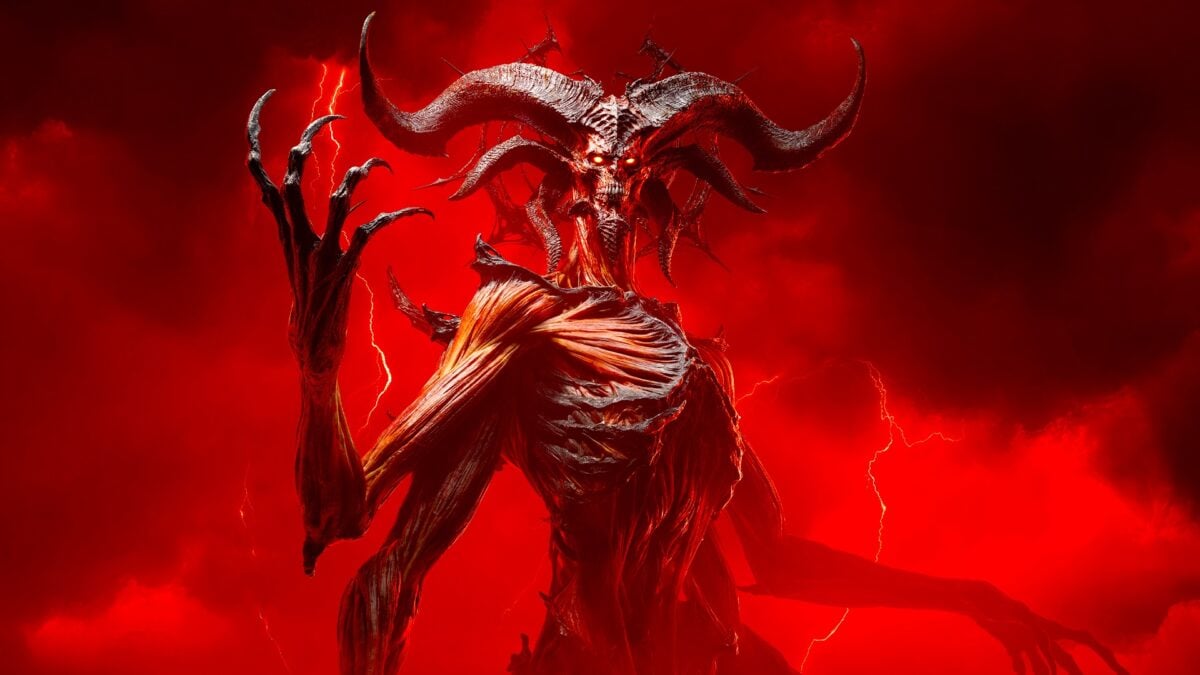
The expansion cycle is over. The seasons begin.
Blizzard has officially drawn a line under Diablo 4’s planned expansion roadmap. Following the 2023 launch and two major downloadable chapters—the data-first Reaper of Souls approach reimagined for a live-service era—the studio confirmed there will be no third expansion. The narrative arc of Hatred has reached its intended conclusion with Lord of Hatred, and Game Director Brent Gibson told PC Gamer at BlizzCon 2026 that the team is now fully oriented toward seasonal storytelling and the next numbered entry in the franchise, which carries an official window of spring 2029.
That timeline is notable in itself. It is one of the most publicly stated long-term roadmaps from a major AAA publisher in the post-strike era. Studios have generally retreated from committing to specific release windows beyond 18 months. Blizzard’s willingness to name 2029 signals either confidence or a calculated bet that the Diablo brand can sustain a five-year wait without bleeding community engagement entirely.
From Destiny’s shadow to something leaner
The irony is thick. In 2023, former franchise head Rod Ferguson explicitly framed Diablo 4’s quarterly seasons and annual expansions as a live-service architecture modeled loosely on the then-booming Destiny 2 playbook. The language was about building a foundation for years of ongoing investment, with expansion cycles serving as the structural spine.
Destiny 2 is, by common industry reckoning, a cautionary tale now. Its expansion fatigue and community attrition have been well documented. Diablo 4 appears to be avoiding that exact path by compressing its content cadence: two expansions instead of four or five, with the gap between them now filled by free seasonal chapters rather than paid DLC drops.
The seasonal model costs less to produce per unit of player engagement, and it keeps the game visible without the massive marketing overhead each expansion traditionally requires. It also reduces the risk of alienating players who can no longer keep up with a rolling content treadmill.
Who wins, who loses
Players who value narrative closure lose first. Diablo 4’s story has effectively concluded. There will be thematic bridges and new Amazon class content arriving sometime in the first half of 2027, but the core “Story of Hatred” arc is finished. Fans who joined for the plot rather than the loot loop may find themselves without a clear destination past the spring 2029 sequel announcement.
Players who prefer recurring meta-changes over episodic narratives win. Seasons have historically delivered mechanics resets, new power curves, and experimental rulesets without demanding players relearn the franchise’s entire lore. That is a lighter cognitive load and a cheaper emotional investment, which suits a larger share of the casual-to-midcore audience.
Blizzard wins by reducing production risk. An annual expansion cycle demands studios maintain parallel pipelines: one for the live game’s seasonal maintenance and another for a second team building a premium $40-to-$70 product every twelve months. That is unsustainable for most developers outside of a handful of franchises with truly massive budgets. Compressing the roadmap into a seasonal rhythm while saving the heavy lifting for Diablo 5 is financially disciplined.
Competitors who still believe in the expansion-as-primary-content model lose relative standing. The industry is quietly converging on a two-track structure: free seasonal content to retain players, and expensive numbered sequels every three to five years to generate revenue spikes. Games that continue to chase annual DLC as their main growth lever—including a few high-profile shooters and action titles—will increasingly look like they are fighting a war that has already ended.
The Diablo 5 gamble
The 2029 window is the real story here. It places Diablo 5 roughly a decade after Diablo 4’s 2023 launch, which means Blizzard must keep the community engaged across an extended period using only seasonal updates. That is a harder constraint than the studio likely faces with any other active title.
Gibson’s comment that continuity is exciting but the team does not yet have a perfect picture of where the story will land before Diablo 5 suggests the seasonal content between now and then will be exploratory rather than strictly telegraphed. This is both a strength and a vulnerability. Flexibility allows creative risk-taking. But it also means Diablo 4’s seasonal chapters may drift into territory that does not clearly set up the sequel, potentially wasting narrative capital that could have built momentum.
The mention that Diablo 2: Resurrected recently received a Warlock class update is instructive. Blizzard is treating its catalog as a portfolio: some titles live quietly on maintenance mode, others carry the full seasonal engine, and a select few receive the capital-intensive sequel treatment. The studio is not abandoning Diablo 4; it is deprioritizing it in favor of directing resources toward the next numbered entry.
A template for the rest of AAA
What makes this move significant beyond Diablo fans is that it may be the shape the entire industry is moving toward. Live-service AAA games have spent the last half-decade experimenting with different content cadences. The annual-expansion model proved expensive and exhausting. The battle-pass-only model proved shallow and community-hostile. What remains is something in between: seasonal free content that sustains engagement, punctuated by high-budget sequels that reset the commercial cycle.
Diablo 4’s pivot is one of the clearest public examples yet of a studio making that adjustment intentionally rather than accidentally. Several other major franchises are likely to follow similar patterns over the next two years as development costs continue to climb and player attention fragments across more titles than ever before.
The question is not whether this model works. It is whether Diablo 5 can justify a five-year gap with enough seasonal momentum to arrive at launch with actual cultural urgency rather than nostalgia alone.