Bomb Threats Flood Europe's Skies: A Hybrid War Playbook Unfolds
Seventeen times more bomb threats hit European flights than two days prior. With parallel cyberattacks on supermarket refrigerators across 11 nations, analysts ask whether this is a prank or the opening salvo of a new kind of warfare.
A Week That Should Not Have Been Possible
Twenty-seven passenger flights across Europe received bomb threats on November 5 alone. Two days earlier, the number had been seven. The ramp-up was not gradual; it looked engineered.
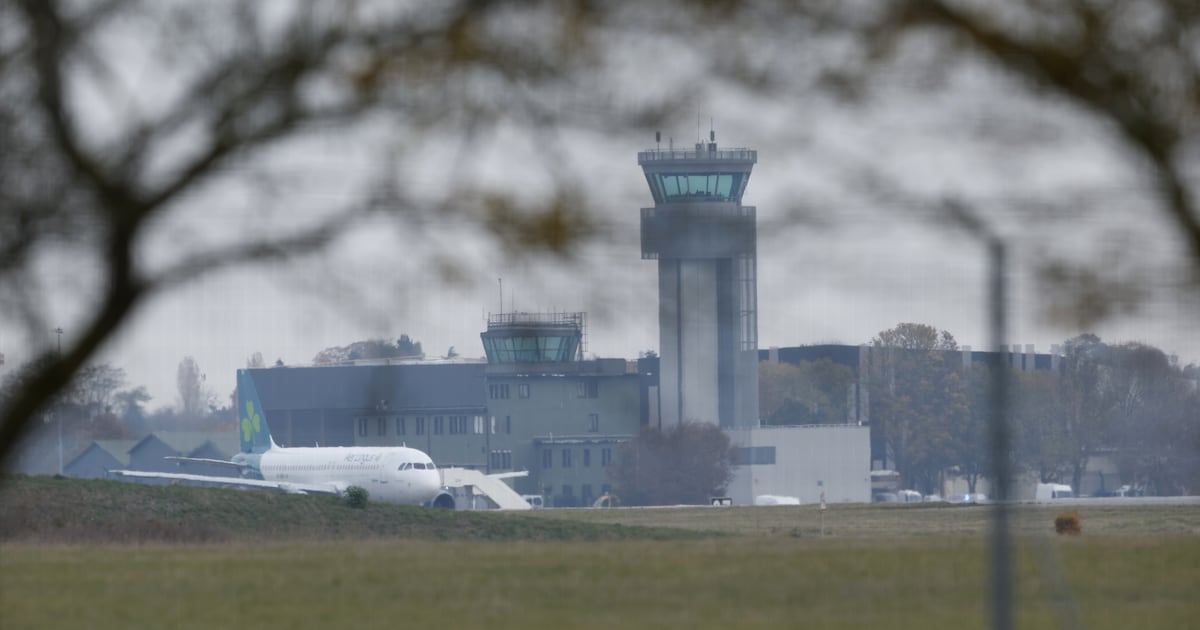
From Copenhagen to Madrid, Helsinki to Milan, Warsaw to Dublin, aircraft were diverted or forced into emergency landings. Fighters scrambled. Passengers were processed in groups of ten by French, Italian, and Belgian authorities. No explosives were found on any flight. Yet the disruption carried real economic cost and psychological weight across a continent already running thin on fatigue.
What makes this moment worth watching is not the threats themselves, but the timing and the pattern surrounding them. Europe has spent months dealing with simultaneous sabotage campaigns against rail networks, cold-storage warehouses, and now, suddenly, commercial aviation. The coincidence deserves scrutiny. The escalation curve demands it.
Who Is Behind the Emails
Multiple outlets reported that several of the threat emails bore signatures attributed to a group called Male State, described by some intelligence circles as a Russian extreme nationalist organization. The messages carried apocalyptic language — references to skies turning red and feminist regimes being remembered forever — suggesting an ideological component layered onto operational disruption.
That does not mean Male State pulled the strings. Attribution remains unresolved, and the source text itself notes the group’s involvement has not been confirmed. What the evidence does suggest is something more important: these communications arrive in a context where previous rounds of similar threats targeted civilian infrastructure with increasing coordination, and the signature — whether authentic or forged — is designed to look like political theater.
The difference between a bad prank and strategic signaling often comes down to one question: does the actor benefit from confusion? When bombs are never found but fighters still launch, the answer becomes harder to ignore.
The Refrigerator Campaign
While European air traffic control worked through dozens of diversion protocols on November 5, a separate campaign unfolded on the ground. Supermarket refrigeration and freezing systems in at least eleven countries — Belgium, Luxembourg, the Netherlands, Sweden, Estonia, Ireland, Finland, Italy, Portugal, Germany, and the United Kingdom — suffered remote temperature manipulations. In some cases, cold storage temperatures rose to 55 degrees Celsius, enough to destroy entire inventory cycles.
This was not random vandalism. Refrigeration infrastructure is complex, geographically distributed, and economically critical to every nation involved. Hitting it simultaneously across borders indicates reconnaissance, tool sharing, and likely centralized direction. The overlap with the aviation threats — same week, same region, targeting civilian life — follows a playbook that defense ministries have warned about since 2022 but rarely seen deployed at this speed.
Who Wins, Who Loses
The winners here are difficult to name precisely because that is the point. If this operation serves Moscow’s interests — and several European officials now suspect it does — the gains are reputational rather than territorial. Europe looks vulnerable. Supply chains look fragile. Public trust in institutions looks eroded. None of that requires a single explosion or casualty to achieve.
The losers are clearer. Airlines absorb diversions, fuel costs, and delayed schedules. Passengers lose time and certainty. Ground handlers process hundreds of additional inspections. Insurance premiums will shift. And governments face pressure to justify defensive postures that look increasingly reactive.
Sweden’s announcement on November 5 to reimpose border controls until May 11 marks the most concrete policy response yet. Stockholm cited hybrid threats and hostile actors moving within the Schengen area as justification. Six months of renewed checkpoints is significant for a bloc built on free movement, and it sets a precedent other members may follow — creating friction inside the EU just as cohesion matters most.
What Happens Next
EU transport executive Apostolos Tzitzikostas stopped short of calling the flight threats coordinated, saying it was too early to conclude. That restraint reflects institutional caution, not ignorance. The alternative — declaring a hybrid attack before attribution is solid — carries its own political risks.
But caution should not become paralysis. Three developments warrant close tracking over the coming weeks.
First, whether similar threats repeat on a fourth or fifth round. The current cycle suggests capacity for rapid reactivation. If another wave appears within ten days, the presumption of coordination hardens considerably.
Second, whether Male State’s signature resurfaces elsewhere. The group’s stated ideology targets Western governance and gender policy. Expanding the target set beyond transportation and food logistics into energy, healthcare, or financial services would signal a deliberate widening campaign rather than opportunistic disruption.
Third, how quickly European governments move from containment to identification. Border controls and heightened airport screenings are defensive measures. They buy time but do not solve the underlying problem. Intelligence-sharing mechanisms between EU member states, particularly regarding encrypted messaging platforms and known extremist channels, will determine whether future waves can be intercepted before takeoff.
The Bigger Picture
Civil aviation has long been treated as sacrosanct territory — a domain where conflict supposedly cannot touch ordinary people. That assumption is cracking. The same techniques used to destabilize democracies now travel at the speed of an email.
Twenty-seven empty threats on twenty-seven planes did not kill anyone. But if the goal was to make Europeans feel unsafe in their own skies, the operation succeeded without firing a shot. The refrigerator campaign achieved the same effect on the ground. Together, they form a pattern that defense analysts have predicted but rarely witnessed in practice.
Whether this represents a test run or a full deployment remains unanswered. The data collected this week — response times, diversion routes, inter-agency coordination gaps — will be invaluable to whichever side decides what comes next.