Brazil-EU Meat Dispute Is a Test for the Whole Mercosur Deal
The EU banned Brazilian beef imports over antibiotic rules just months after opening a Mercosur free-trade deal. What happens next could reshape agri-trade alliances and show how seriously food-safety standards are being weaponized.
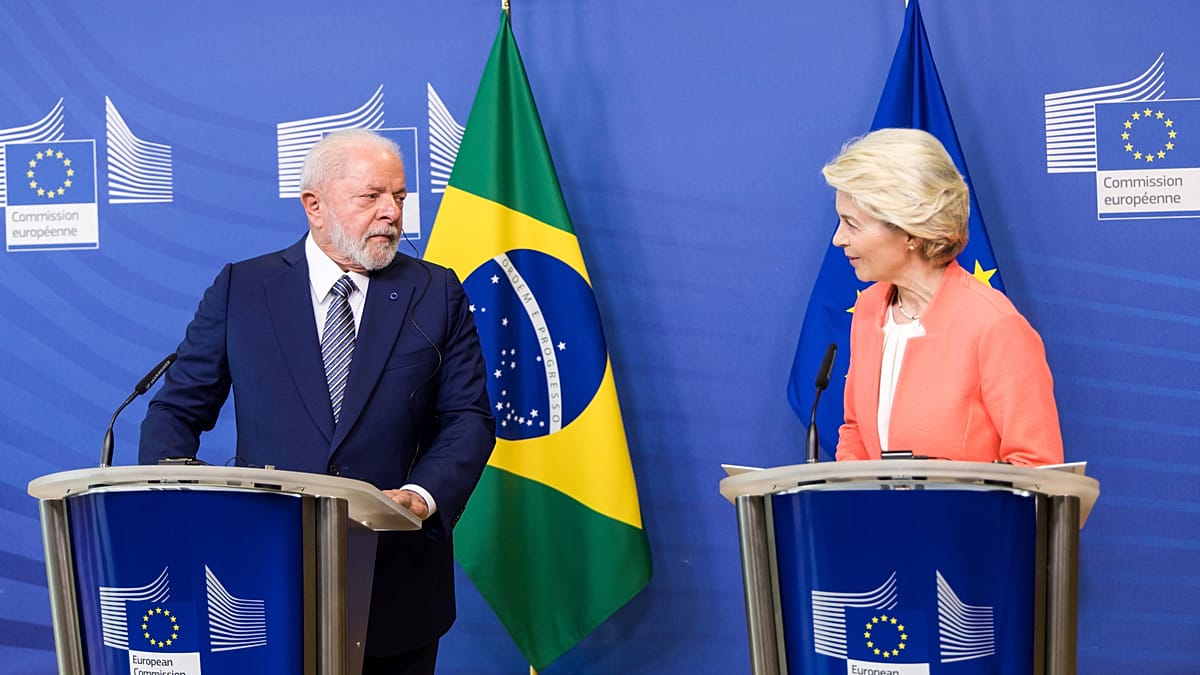
The Day the Beef Stopped Flowing
On September 4, 2026, the European Commission’s decision landed with quiet finality. Brazil was removed from the list of countries permitted to export meat to the EU. The reason: antibiotic use in livestock. The timing, however, was anything but quiet — just four months after a Mercosur free-trade deal provisionally came into force in May.
Pedro Miguel da Costa e Silva, Brazil’s ambassador to the EU, did not mince words. An audit was unnecessary, he told Euronews. No audits had been conducted for other countries, and Brazil had already provided sufficient guarantees. “All options are on the table,” he added, a diplomatic phrase that in trade wars usually means tariffs, quotas, or targeted retaliation against politically sensitive European exports.
The European Commission’s deputy chief spokesperson, Olof Gill, pushed back immediately. The approach was non-discriminatory, he insisted. Partners had been given sufficient time and information to adjust. The rules, he noted, were not new — the EU had introduced its anti-antimicrobial-resistance framework in 2018, applied it to its own producers by 2022, and was now extending it to foreign importers.
What happened between 2022 and September 2026 deserves more scrutiny than Brussels is giving it.
The Gap That Broke the Deal
The Mercosur-EU agreement, long stalled and fiercely opposed by French and Irish farmers, was celebrated as a milestone when it provisionally entered into force in May. Brazil, Argentina, Uruguay, and Paraguay gained preferential access to a market of 450 million consumers. Or at least they were supposed to.
Four months later, Brazil found itself excluded from the very meat category that would have been most economically consequential for its producers. The EU’s new rules ban the use of antibiotics as growth promoters — a practice still common in Brazilian cattle and poultry operations. The Commission’s position is that third countries must demonstrate compliance before exports can resume. Brazil’s position is that the audit process is being applied selectively and without warning.
The discrepancy is real. Other exporting nations have not undergone the same scrutiny. Whether that is coincidence or strategy is unclear, but the message reaching São Paulo and Buenos Aires is unambiguous: the door opened in May is closing again.
Who Wins, Who Loses
French farmers may feel vindicated. They campaigned against the Mercosur deal for years, warning that Latin American meat and dairy would flood European markets under weaker standards. The Commission’s enforcement action gives them a narrow victory, though one that also undermines the very trade deal their governments negotiated.
Brazilian producers bear the immediate cost. Meat is one of Brazil’s largest export categories, and the EU is a high-value market. Loss of access hurts margins and could push surplus product onto other markets, depressing prices globally. The threat of Brazilian countermeasures will likely target European exports that are politically sensitive — German machinery, French wine, Irish dairy — creating a ripple effect through supply chains that have been optimized for decades.
The Mercosur bloc as a whole loses credibility. If one member can be excluded on food-safety grounds while others proceed, the union’s negotiating leverage weakens. Argentina and Uruguay will watch closely. Paraguay, already struggling with trade diversification, has the least to absorb the shock.
For the EU, the short-term gain is regulatory credibility. The long-term risk is fragmentation. Food-safety standards are meant to protect consumers. When they are applied unevenly, they look like protectionism dressed in scientific clothing.
The Bigger Question: Is Food a Weapon Now?
The antibiotic rules themselves are not controversial. Antimicrobial resistance is one of the defining health threats of the 21st century, and the EU has been a leader in confronting it. The question is not whether the rules are legitimate but whether their enforcement is strategic.
The timeline tells its own story. The rules were announced in 2018. EU producers had eight years to comply. Foreign importers were given — at most — four. The Mercosur deal was signed during the period when compliance was expected, not enforced. The sudden activation of sanctions coincides with a political moment when the deal needed defensive justification.
This is not conspiracy. It is the predictable outcome of a trade framework that opens markets conditionally. Conditions can be enforced selectively. And in a year when global trade tensions are rising across multiple fronts — from tech restrictions to green subsidies — the weaponization of standards is becoming a familiar pattern.
What Comes Next
Brazil’s ambassador said all options are on the table. That typically means retaliatory tariffs, import barriers, or diplomatic pressure on specific EU member states. The Commission has signaled it will not back down. The ongoing audits of Brazilian poultry and honey suggest the dispute is not limited to beef.
If the Mercosur deal survives this episode, it will be because both sides find a face-saving compromise — perhaps a phased compliance timeline or a mutual recognition arrangement that gives Brazil time to adjust its practices without appearing to capitulate.
If it does not survive, the implications stretch far beyond meat. The EU has signaled that its standards are non-negotiable, even at the cost of undermining its own trade agreements. Brazil and other Mercosur countries may conclude that the EU is a reliable partner only when it suits Brussels. That recalibration could push South America closer to other markets — China, which already dominates Brazilian agricultural exports, or regional blocs that do not impose the same regulatory burdens.
The dispute also carries a warning for every country negotiating with the EU. Access to the European market is valuable. But it comes with conditions that can be enforced overnight, with little transition, and without consistent application. The Mercosur deal promised opportunity. The meat ban delivers a lesson in how quickly that promise can be withdrawn.