The Collateral Damage of Trumps Economic D-Day on Iran
Washingtons newest financial offensive against Tehran will squeeze Iran hard, but secondary markets and allied economies are already absorbing the shock. The real test is whether global trade routes can survive what Trump is calling economic warfare.
The Financial Shockwave
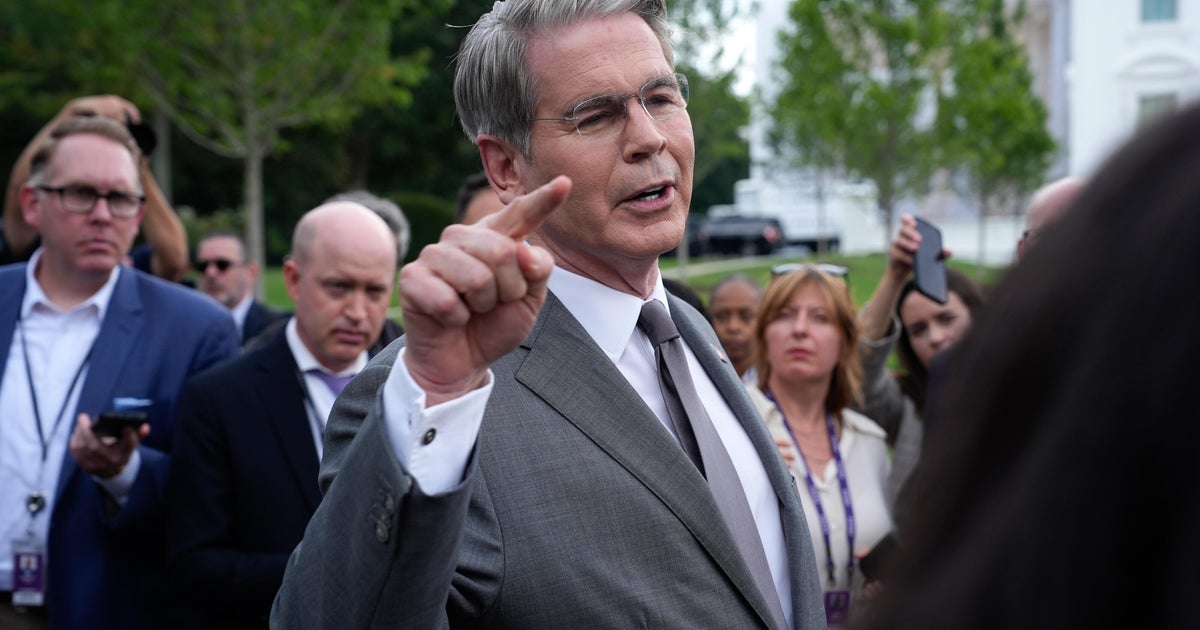
Washington is preparing to unleash what Treasury Secretary Scott Bessent called “the single greatest financial offensive ever marshalled against an adversary.” The language, straight out of the D-Day playbook, signals a dramatic escalation in economic warfare that goes far beyond Iran. What follows is a map of who gets hit, how hard, and why allies may find themselves trapped between Washington’s demands and their own economic survival.
The Iranian rial has already collapsed to 2.02 million against the dollar on informal markets, a stark marker of how deep the squeeze runs even before Monday’s announcement. The official Central Bank rate sits at roughly 1.5 million to the dollar, but most Iranians transact at the informal rate, which means daily life has become a gauntlet of inflation and scarcity. The currency was already buckling before the US and Israel struck Iran on February 28th. Double-digit inflation and negative growth had taken hold. War accelerated the collapse into freefall.
Who Pays the Price Beyond Tehran
Iran’s Supreme National Security Council chief Mohsen Rezai issued a blunt warning on Saturday: any country joining the US economic war will be considered an enemy, and Iran will harm their interests. That threat carries weight for a handful of states whose economies have grown increasingly entangled with Tehran over the past decade.
China and India sit at the center of that exposure. Both maintained significant trade ties with Iran even under previous sanctions regimes, and China’s yuan-denominated oil purchases from Tehran continued largely uninterrupted through 2024 and 2025. A full US financial offensive would force those relationships into the open or kill them outright. Beijing has every incentive to resist public compliance while quietly restructuring deals to survive the new restrictions. New Delhi faces the same calculus but on a smaller scale, and with fewer alternative energy sources.
Turkey occupies a more complicated position. Ankara has historically balanced between NATO commitments and pragmatic trade with Tehran. Turkish banks have facilitated Iranian transactions through alternative clearing mechanisms, and energy flows between the two countries traverse shared infrastructure that sanctions cannot easily sever. But US pressure on Turkish financial institutions could come with direct consequences, given Washington’s leverage over dollar-clearing channels. Turkish lira volatility is already high; another shock to the region would deepen instability across the board.
The Strait of Hormuz Chokepoint
Perhaps the most consequential dimension of this escalation involves the Strait of Hormuz. Iran and Oman resumed negotiations on Tuesday to establish a framework for managing the chokepoint, which carries roughly 21 million barrels of oil per day through global supply chains. Talks have floated the possibility of transit fees and designated lanes, a structure that could institutionalize Iranian leverage over the waterway if Washington does not preempt it.
The memorandum of understanding signed in June between President Trump and Iranian President Masoud Pezeshkian included a 60-day negotiation window that expired last week without resolution. Both sides declared the deal dead. Pezeshkian has since argued that reviving the MOU remains the best path out of the current stalemate, calling it a framework built on dignity and national interest rather than capitulation. Trump, meanwhile, has doubled down on economic warfare rhetoric.
The impasse has real consequences for global energy markets. Any disruption to Hormuz traffic pushes oil prices higher almost immediately. European refiners dependent on Middle Eastern crude face the steepest bills, followed by Asian buyers who lack immediate alternative sourcing. Shipping insurance premiums in the region already reflect the heightened risk from Houthi attacks in the Red Sea and Iranian posturing in the Gulf. Those costs embed themselves into every barrel that moves.
European Allies in the Crossfire
Europe finds itself in the most uncomfortable position. The continent relies on Middle Eastern energy and maintains diplomatic channels that Washington views as insufficiently pressurized toward Iran. Bessent explicitly urged allied nations to sever ties with Tehran, promising deeper access to global capital markets and greater economic standing for those who comply. The message is clear: alignment with Washington carries rewards, and resistance carries costs.
Greece demonstrated the practical implications on Monday, relocating a Patriot missile battery from Karpathos to Crete near the Souda Bay US base. Local media cited Iranian threats to strike American military installations in Europe if Trump escalates pressure on the Strait of Hormuz. The move signals readiness for a conflict that could pull European infrastructure into the crosshairs, whether allies want that or not.
Germany and France have invested heavily in diplomatic off-ramps throughout the past six months. Sanctions that escalate beyond the current framework complicate those efforts and make it harder for European governments to claim they are still pursuing negotiated outcomes. The political friction between Washington and its allies will intensify whether the new measures target only Iranian entities or cast a wider net across regional trade partners.
What Comes Next
The specifics of Monday’s announcement remain unrevealed, but history suggests the scope will be expansive. Previous US financial offensives against Iran targeted central banks, shipping companies, insurance firms, and front networks used to move petrodollars. This round appears designed to go further, with Bessent framing it as unprecedented in scale.
Iran’s stated position is that it has not yet attacked American economic interests and still possesses additional leverage. That restraint could evaporate if the new sanctions disrupt critical revenue streams that fund the state apparatus and military operations. The Strait of Hormuz, already a contested corridor, could become a battlefield of commerce and coercion within weeks.
The real question for global markets is whether secondary effects stabilize or spiral. Oil prices, shipping costs, currency volatility, and alliance cohesion all move in tandem once financial warfare reaches this intensity. The United States appears prepared to absorb short-term market disruptions in pursuit of strategic objectives. Its allies may not share that appetite, and the strain could reshape economic relationships across the Middle East for years to come.