Why Congress Is Summonsing Jensen Huang Over Nvidia-China Chips
A year after Trump approved H200 chip sales to China, revelations about circumvention via shell companies have triggered bipartisan congressional investigations targeting both Commerce Secretary Howard Lutnick and NVIDIA CEO Jensen Huang.
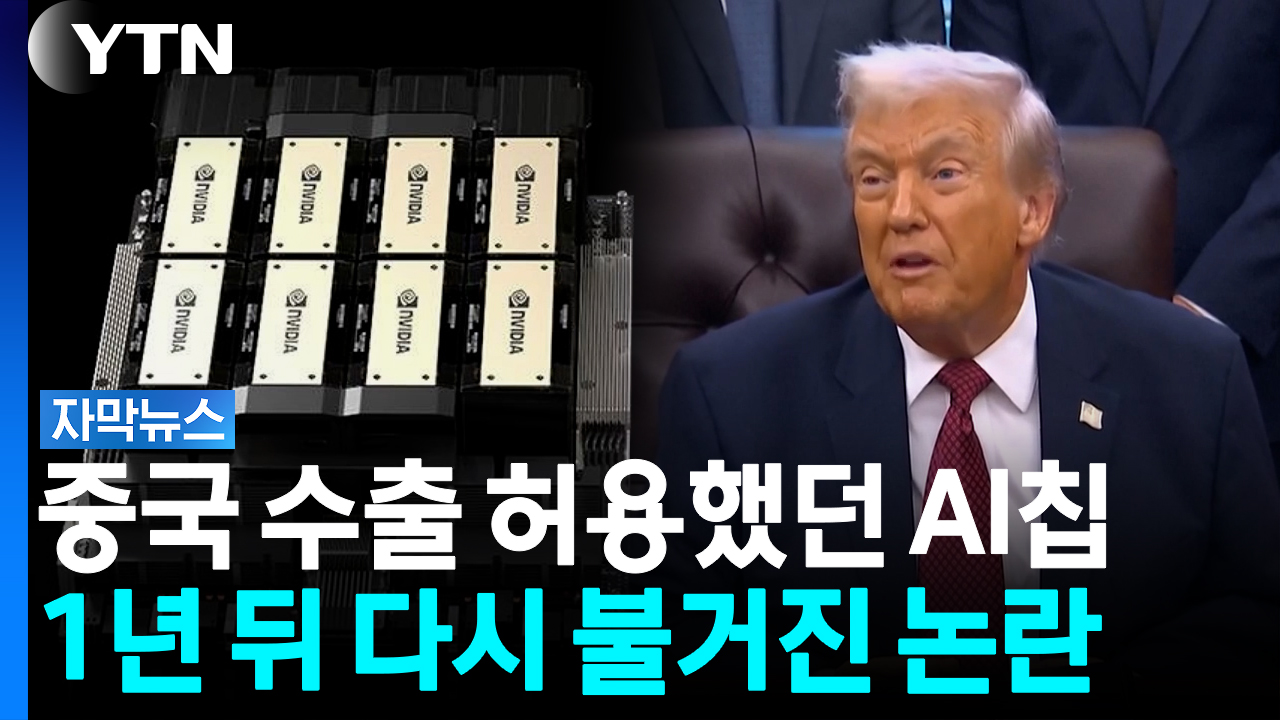
A Year After the Deal, the Fallout Lands on Capitol Hill
Last December, Donald Trump posted on social media that he had personally notified Xi Jinping about allowing NVIDIA to sell its H200 AI chips to China. It was framed as a gesture of diplomatic goodwill — a signal that Washington wanted to de-escalate trade friction while Beijing was levying export controls of its own.
Trump called Jensen Huang remarkable. He said Huang understood the situation fully. The message was clear: this was political, not just commercial.
Now, one year later, that message looks far less confident.
What Changed
The script flipped. A bipartisan bill to block core semiconductor exports to China for thirty months was already moving through Congress when Trump made his announcement. Huang himself had warned, in private and public remarks, that if China built out its full AI production architecture, it would export that capacity faster than anyone imagined.
The warning appears to have been premature in reverse. Instead of America holding leverage, the concern now is that American technology flowed across the Pacific through routes that bypassed every sanction designed to stop it.
According to multiple reports citing Democratic Senator Richard Blumenthal, there are allegations that H200 chips reached Chinese buyers through phantom companies — entities designed to obscure their ultimate end-user. That scenario, if proven, transforms a trade decision into a national security breach.
Blumenthal did not mince words. He said any administration official who knew those chips were being diverted illegally should resign immediately and testify publicly under oath.
Two Investigating Committees, Two Targets
The scope of the congressional response is unusual.
The Senate Finance Committee and the House Ways and Means Committee — two of the most powerful panels in Washington — jointly notified Commerce Secretary Howard Lutnick that they are launching an inquiry. Their target is not the chip sale itself but the decision-making process behind it. Why did the Commerce Department approve the export of chips that subsequent legislation sought to restrict? Who signed off?
Simultaneously, the House Foreign Affairs Committee has moved toward scrutinizing Huang directly. Sources indicate that Huang has agreed to a closed-door appearance before a major standing committee. The alternative was a subpoena. Analysts expect the hearing could happen as early as next week.
The procedural choice matters. A voluntary appearance suggests cooperation but also carries the implicit threat of compulsion hanging over it. If Huang testifies under oath in a closed session, the details that emerge could reshape the narrative around US-China tech competition for years.
The Lutnick Problem
Lutnick occupies an awkward position. Trump continues to express public support for him, yet White House senior officials are reportedly discussing whether Lutnick should step down. This internal tension is significant. In normal circumstances, a Commerce secretary facing concurrent investigations from two appropriations committees does not survive long without damage to the administration’s broader regulatory agenda.
What makes Lutnick’s case distinct is that the underlying policy decision predates his arrival at Commerce. The H200 export authorization came during the previous administration’s term, when Trump personally elevated the transaction to a diplomatic event. Whether Lutnick bears responsibility depends entirely on what records show he reviewed, approved, or ignored after taking office.
That question will define the investigation’s trajectory.
Who Wins, Who Loses
The immediate losers are the institutional credibility of the Commerce Department and the perceived coherence of US export control policy. If chips intended for American firms were redirected to Chinese AI labs through shell companies, then the sanctions architecture built over the past three years contains gaps large enough to undermine its purpose entirely.
NVIDIA loses on multiple fronts. Its market position in China was always precarious under US law. The company’s leadership has now become the subject of a congressional probe. Even if no criminal charges follow, the reputational cost is real — especially among international customers who watch how Washington handles corporate-government entanglement.
Trump faces a different kind of loss. His November 2025 posts framed the H200 decision as a triumph of diplomacy and business partnership. That framing is difficult to reconcile with allegations that the same chips were quietly rerouted to Chinese actors through deceptive supply chains. The contradiction will intensify as the investigations produce findings.
China gains strategically, whether intentionally or not. The reported circumvention pattern, if confirmed, proves that American restrictions can be navigated by sufficiently resourceful buyers. That knowledge emboldens other states and companies to seek similar loopholes.
What Comes Next
Three outcomes deserve attention.
First, the hearings themselves. Closed-door testimony from Huang could produce details about which entities received H200 chips, how many units moved through intermediaries, and whether NVIDIA’s compliance teams raised internal objections. Public testimony from Lutnick could reveal whether the Commerce Department had intelligence about diversion before approving exports and failed to act.
Second, legislative consequences. The thirty-month export ban was already moving through Congress before Trump’s announcement. Scandal accelerates legislation. Expect strengthened enforcement provisions, increased penalties for sanctions circumvention, and potentially new reporting requirements for semiconductor exporters.
Third, the Lutnick question. If evidence shows he approved or greenlit exports despite known diversion risks, resignation becomes likely regardless of presidential loyalty. If the record shows he inherited a decision and acted within available guidance, he may survive politically — though damaged.
The Bigger Picture
This episode exposes a structural problem in US-China technology competition. Sanctions and export controls create boundaries on paper. But those boundaries depend on enforcement capacity, corporate compliance, and transparency in global supply chains. When any of those three elements fail, the policy fails with them.
Huang’s warning about China building its own AI production architecture has since become conventional wisdom. The deeper alarm now is that America’s own chips may have helped fund that build-out before the restrictions took effect.
The congressional investigations are the first chapter. The political and economic consequences will unfold over months, not days.
For now, the question is not whether Jensen Huang or Howard Lutnick will face scrutiny. It is what emerges from beneath it.
YTN signaled the key developments. The details will come from Capitol Hill.