The Drone That Changed the Strait of Hormuz
Iran's targeting of a US naval drone in the Strait of Hormuz marks a dangerous new phase in Middle East tensions — where unmanned systems are becoming the norm and economic warfare is replacing traditional deterrence.
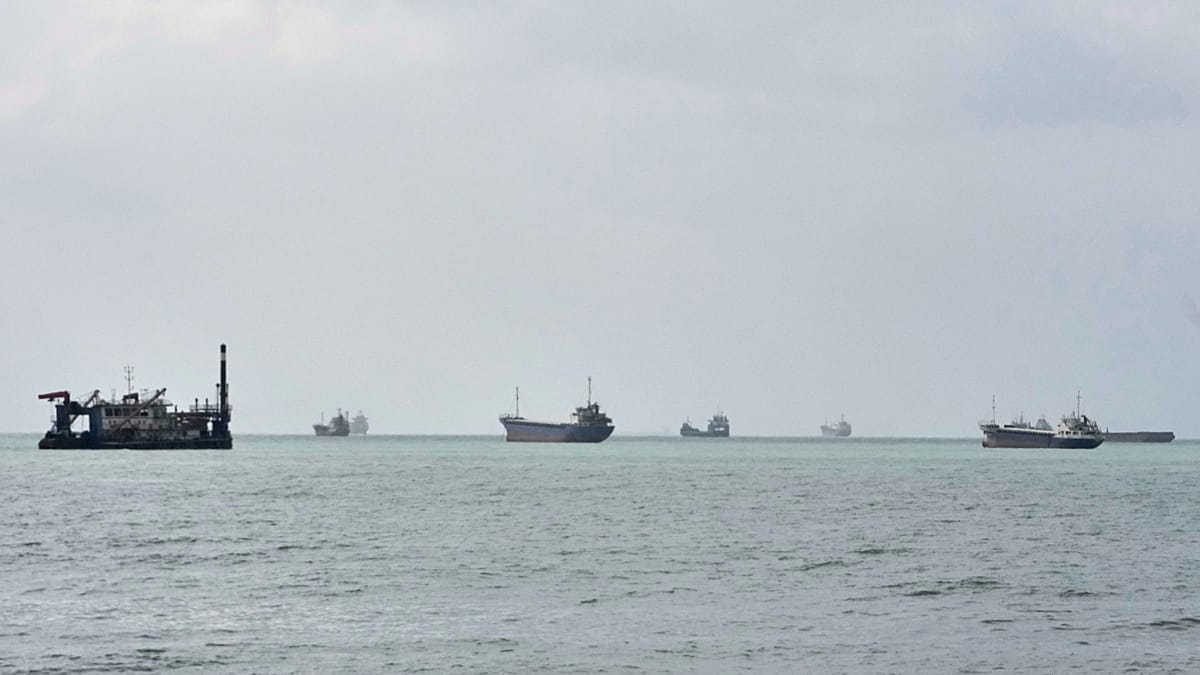
The Unmanned Signal
Iran didn’t just shoot at a drone. It shot at the idea that the US could patrol the Strait of Hormuz without risk.
The Iranian Revolutionary Guards Corps confirmed on Sunday that its forces launched an attack on an “unmanned surface vessel” as it attempted to enter the strategic waterway off Iran’s southern coast. The target was smaller than a ship, quieter than a patrol boat, and designed to do exactly what drones are supposed to do: take the risk out of reconnaissance.
That Iran felt the need to target it matters more than the scale of the exchange. The message from Tehran’s state TV was blunt: the United States has no choice but to leave. But the real subtext was uglier. Iran is telling the world that even machines are now fair game — and that the threshold for conflict has dropped to the level of a remote-controlled craft.
The Oil Tanker War
The drone strike didn’t happen in isolation. It came on the heels of what can now be called the first sanctioned naval war of the drone era — though neither side is using that term yet.
CENTCOM reported on Saturday that US forces had permanently disabled three Iranian oil tankers in response to ballistic missile attacks on two American warships. The M/T Downy went down off Kharg Island. The M/T Stark 1 near Jask. The unladen crude carrier M/T Kylo — also known as the Noxen — was struck multiple times in the Gulf of Oman after its crew abandoned ship.
Admiral Brad Cooper, commander of CENTCOM, issued a statement that was equal parts threat and theater. “If you shoot at two of our ships, we will impose an even higher economic cost — taking out three of yours,” he said. “We will not hesitate to defend American forces, and if necessary, destroy Iran’s limited and exposed oil fleet.”
The word “limited” is doing heavy lifting there. Iran’s oil fleet is small compared to regional peers, but it’s also almost entirely exposed — anchored, slow, and sitting in waters where drone strikes are becoming routine. The US is counting on that exposure to impose costs without triggering full-scale war. So far, the calculus seems to be working.
But the economics of escalation don’t stay contained within national borders.
Choking the Chokepoint
The Strait of Hormuz handles roughly 20 percent of global oil shipments. When Iran warned ships against navigating through “unapproved routes,” it wasn’t just posturing — it was testing whether the world would accept a de facto Iranian veto over the most important energy corridor in the Middle East.
The three tankers struck by the IRGC before the US retaliatory strikes were part of that same strategy. This isn’t random piracy. It’s selective coercion designed to make the cost of passing through Hormuz feel like a negotiation rather than a right.
The question now is whether Iran’s leadership believes it can sustain this gray-zone warfare indefinitely, or whether the economic pressure is beginning to bite harder on Tehran than on Washington. Iran’s own oil exports have been declining under sanctions. Every tanker it targets risks drawing more international attention, more naval patrols, and potentially more strikes — each one eroding the very shipping lanes Iran claims to be defending.
The Video War
One detail worth noting: CENTCOM released video footage of the strikes on social media. This is the first time in decades that the US has openly shared combat footage of naval engagements in the Gulf so quickly. The message is layered — it demonstrates capability, deters further Iranian action, and signals to allies that America is still the dominant naval power in the region.
But it also raises the stakes. Once you show the world how you fight, every future engagement becomes a performance. Both sides are now fighting on two fronts: the waters of the Strait and the feeds of Twitter and Telegram. Every drone strike, every missile launch, every survivor rescued is content. And content shapes perception faster than diplomacy.
Who Wins, Who Loses
Iran wins short-term political credibility at home. The IRGC’s statement framing the drone strike as proof of American vulnerability plays well in a country where nationalist sentiment runs deep and economic hardship is the daily reality. But the long-term cost is steep. Every tanker destroyed invites more international navies into the strait. Every missile fired at US warships deepens the prospect of broader conflict — one Iran’s military cannot win against the combined forces of the United States and its Gulf allies.
The United States wins tactical deterrence. Admiral Cooper’s math — one for one, escalated — has so far kept American ships moving and signaled resolve. But the strategic picture is murkier. The US is now engaged in a low-intensity naval conflict with Iran in waters that are economically vital to Europe, Asia, and the Global South. Every day of tension raises insurance premiums, disrupts shipping schedules, and tests alliances that were never designed for drone-versus-drone warfare in narrow straits.
What Comes Next
The conflict reignited last Sunday after US forces struck Iranian rocket launchers in the Strait. Iran responded by confirming hits on Larak Island and launching retaliatory attacks on US bases across the Middle East. Since then, the exchange has intensified without either side declaring open war — which is precisely the point.
Neither Washington nor Tehran wants a full conflict. Both want to prove they can escalate without crossing the line. The drone in the Strait of Hormuz was a step close to that line. The next one may not stop.
What’s clear is that the era of uncontested American naval dominance in the Gulf is over, and Iran is the one writing the new rules. The question for the rest of the world is whether it will accept them — or force a reckoning that everyone involved says they want to avoid.