ESA's War on Anbernic Emulation Handhelds Is About More Than Piracy
The ESA wants Anbernic on a piracy blacklist. If it succeeds, the retro gaming market shrinks—and a dangerous precedent forms for how the US regulates hardware that can do more than its makers intend.
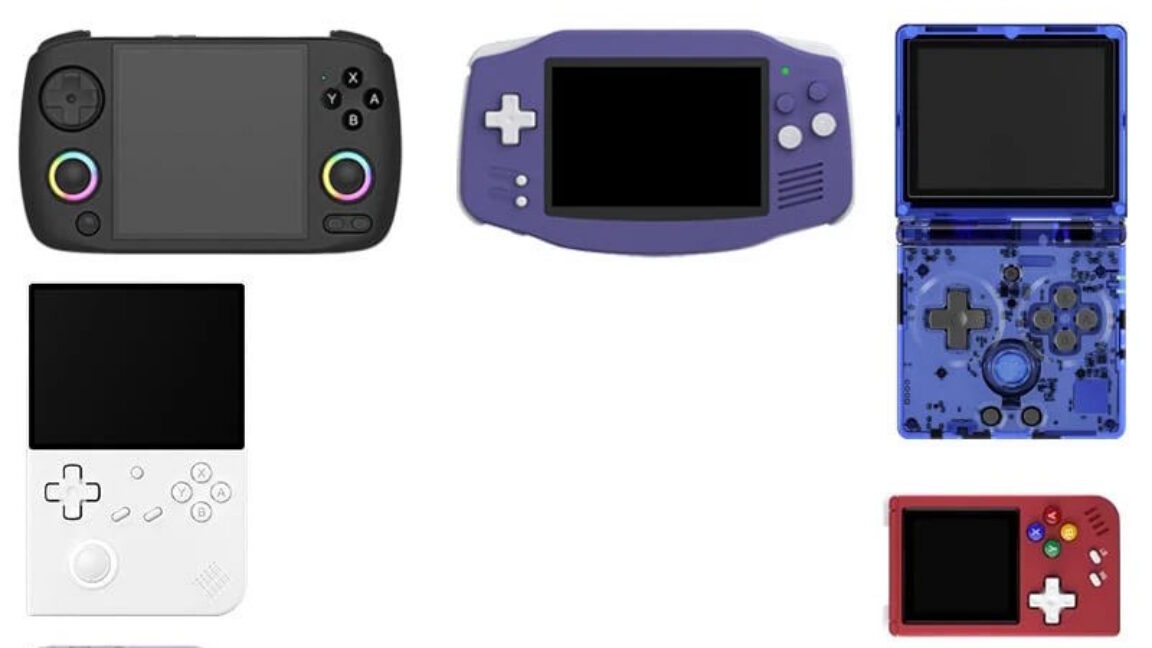
The ESA Is Coming for Your Retro Gaming Handheld
The Entertainment Software Association has asked the US Trade Representative to slap Chinese manufacturer Anbernic on its Notorious Markets list—a blacklist reserved for entities that facilitate copyright piracy and trademark counterfeiting on a commercial scale. The filing, first reported by TorrentFreak, frames Anbernic devices as vehicles for what the ESA calls “superfake” piracy: not just cracked software, but hardware shipped with illicit game libraries baked in.
This is not a routine enforcement action. It is a strategic move to control a market segment that game publishers have failed to capture—and may never be able to.
Why Anbernic?
Anbernic sells Android-based handheld consoles that run emulators for classic systems: Nintendo Entertainment System, Super Nintendo, PlayStation, Game Boy, and dozens more. The devices themselves are legitimate consumer electronics. The problem, according to the ESA, is that many online sellers include microSD cards preloaded with thousands of ROMs—copyrighted games offered without permission from rights holders.
The ESA acknowledges that Anbernic does not appear to bundle ROMs directly from its own website. But the trade group argues that devices selling through normal retail channels, when paired with preloaded pirate libraries, effectively normalize hardware-based piracy. The “superfake” label is a deliberate escalation. It borrows from anti-counterfeiting enforcement rhetoric and applies it to a product that is neither counterfeit nor infringing on its face.
That linguistic stretch matters. “Superfake” typically describes high-quality replica goods—fake designer handbags, counterfeit luxury watches—sold at commercial scale. Applying it to an emulation handheld reframes a gray-market accessory as a counterfeit trademark good. The semantic shift opens the door to enforcement tools that were never designed for this category of device.
The Stakes Are Bigger Than ROMs
If Anbernic lands on the Notorious Markets list, the direct consequences are thin. The USTR says inclusion “encourages” enforcement but does not itself carry penalties. The real threat is downstream: the list could trigger a Section 301 investigation, which has historically been used to impose tariffs, import bans, or other trade restrictions on countries and companies accused of intellectual property violations.
A Section 301 case against Anbernic would not just target one company. It would signal that the US government views emulation hardware as a trade enforcement priority—and that device manufacturers can be held responsible for how third-party sellers configure the products they ship.
That is a broad standard. It could apply to any hardware with dual-use capabilities: media players, SDR radios, even AI development boards. If the precedent holds, device makers could face liability for anything their products enable, regardless of whether the maker intended or facilitated the infringement.
Who Wins. Who Loses.
Winners: The ESA and its member publishers—Nintendo, Microsoft, Sony, EA, Ubisoft, Epic, Amazon—gain a powerful enforcement lever. A Notorious Markets listing raises the cost of doing business for Anbernic and its distributors. It also sends a chilling message to other Chinese hardware makers in the emulation space. Import-level restrictions could remove Anbernic devices from US shelves entirely, eliminating a competitive pressure point in a market segment publishers have struggled to monetize.
Losers: Retro gaming enthusiasts, who rely on these devices as an affordable way to play games that are often unavailable through official channels. Small retailers and importers who stock emulation handhelds. Anbernic itself, which faces regulatory risk despite not appearing to directly distribute pirated content. And ultimately, the broader principle that hardware manufacturers should be judged by what they sell, not by what buyers do with it.
The Retro Gaming Gap
The ESA’s case rests on the assumption that piracy is the primary function of these devices. But that ignores a simpler explanation: publishers have not provided adequate official alternatives. Many classic games sold on these handhelds are not available on modern storefronts. Nintendo’s Virtual Console is dead. Classic titles are locked behind subscription services with rotating libraries. Remasters cover only the most popular franchises.
Anbernic devices fill a gap that the industry created. The ESA could address that gap by making more catalog accessible through legal channels. Instead, it is pursuing a trade enforcement strategy that treats the symptom rather than the cause.
A Precedent for the AI Era
The most consequential implication of this case is not about retro gaming at all. It is about how the US regulates hardware in an era where a single device can run many different kinds of software.
If the ESA wins its Notorious Markets listing and any resulting Section 301 action, it establishes that device manufacturers can be penalized for the infringing uses their hardware enables—even when the hardware itself is lawful and the manufacturer does not distribute infringing content. That standard would reshape how regulators view everything from Android TV boxes to portable AI devices to open-source hardware platforms.
The analogy to AI is not distant. Just as emulation handhelds can run unauthorized games, AI devices and platforms can run unauthorized training data or generate infringing output. The enforcement logic is the same: hold the hardware maker responsible for what the hardware does. If that logic expands, it constrains innovation in exactly the categories—general-purpose computing devices—where it matters most.
What Happens Next
The USTR will review the ESA’s petition and decide whether Anbernic merits Notorious Markets placement. That decision could come within months. A Section 301 investigation, if launched, would take longer and carry heavier consequences.
For now, Anbernic devices remain available through third-party sellers. But the filing marks a shift from industry lobbying to trade enforcement—a move that could reshape the retro gaming market and set a precedent far beyond it.