FDA Warns of Blindness Risk From GLP-1 Weight Loss Drugs
The FDA is adding blindness warnings to GLP-1 drugs after reviewing over 130,000 patients and finding nearly double the rate of a rare eye condition among users. The ruling could reshape prescription habits and invite a wave of litigation.
A Rare Condition Meets an Unusually Large Market
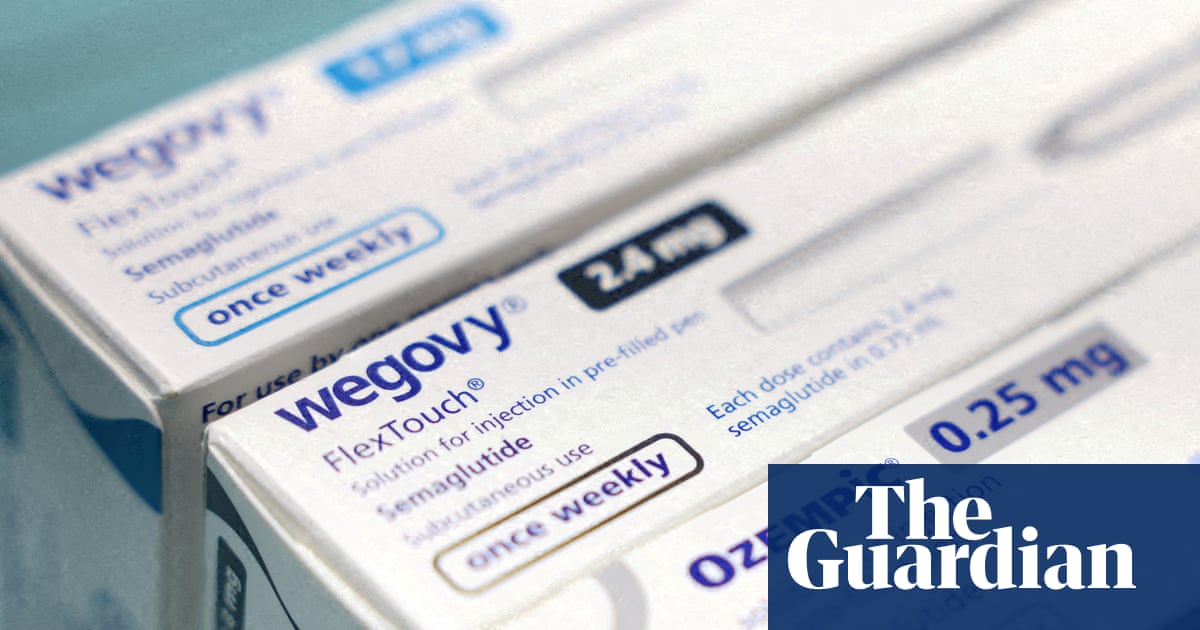
The FDA is now requiring every GLP-1 medication — Ozempic, Wegovy, Mounjaro, Zepbound, Soliqua — to carry a warning about nonarteritic anterior ischemic optic neuropathy, or NAION, a rare eye condition that can cause sudden, permanent blindness. The announcement arrived without fanfare and may not receive much public attention either. That silence is precisely where the real consequences will unfold.
NAION is not common by any measure. It strikes roughly 2.3 to 10.2 people per 100,000 annually, mostly those over 50 who already carry diabetes, hypertension, high cholesterol, or a history of smoking. There is no treatment to reverse the vision loss once it arrives. What makes this FDA action unusual is not the disease — it is the sheer size of the market it now touches. Millions of people worldwide are taking GLP-1 drugs daily. Even a small increase in an already rare adverse event becomes a substantial absolute number when you multiply across that many patients.
What the Data Actually Show
The FDA reviewed 126 clinical trials involving more than 134,200 patients. Among them, researchers identified 15 probable NAION cases. Ten occurred in patients taking GLP-1 medications. Five appeared in those on placebo. Zero showed up among patients on non-GLP-1 glucose-lowering drugs.
That translates to an incidence rate of 6.4 cases per 100,000 person-years in the GLP-1 group, compared with 3.8 in the placebo or alternative medication group. By one framing, that is roughly a 70 percent relative increase. By another, the absolute difference is 2.6 additional cases per 100,000 person-years.
Both frames are accurate. Neither tells the whole story. The FDA did note several limitations in the underlying evidence, including a 2024 JAMA Ophthalmology study that first raised the alarm. Still, the agency concluded the signal warranted formal labeling changes. That conclusion matters more for lawyers than it does for clinicians trying to counsel patients today.
Who Gets Left Behind
Prescribers will now have to navigate a new layer of informed consent. Patients with existing vascular risk factors — diabetes, hypertension, elevated cholesterol, smoking histories — face the sharpest questions. For them, the marginal risk added by a GLP-1 drug is the marginal risk added by a GLP-1 drug layered on top of an already vulnerable optic nerve. These are the patients who are most likely to benefit from GLP-1 therapy as well, since they overwhelmingly carry type 2 diabetes and obesity. That overlap creates a genuinely difficult calculus.
Physicians in the United States already struggle with short appointment windows and limited access to subspecialists. Adding an optometry consultation recommendation to every new GLP-1 prescription increases friction for both sides. In markets where specialist care is concentrated and costs are higher, some prescribers may simply avoid initiating GLP-1s in higher-risk patients rather than manage the added uncertainty.
Insurance form managers are watching closely. Their language around prior authorization and monitoring requirements will shape access far more than any warning label. Expect tighter step-edit protocols within months, particularly in employer-sponsored plans where GLP-1 spending has already become a line item that actuaries scrutinize aggressively.
The Litigation Picture Is Already Taking Shape
New labels create liability exposure. They do not require it, but they make it easier for plaintiffs’ attorneys to argue that manufacturers knew about the risk and failed to act until regulators forced their hand. The ten NAION cases found in clinical trials may seem too few to anchor a lawsuit, but class actions rarely begin with dramatic mortality counts. They begin with a regulatory change that gives lawyers ammunition.
Novo Nordisk’s response to the FDA announcement was immediate and carefully worded. A company spokesperson told the Guardian that the data do not establish a cause-and-effect relationship and that the firm remains confident in its benefit-risk profile. Eli Lilly had previously acknowledged awareness of published reports on NAION risk. Sanofi has not yet issued a public statement beyond its product-specific labeling obligations.
None of that shields anyone from liability. Manufacturers routinely say similar things when faced with new safety signals — the VAERS filings surrounding vaccines, the opioid litigation, the earlier PPI warnings — and courts still sort through them. What matters in these cases is not whether a single molecule caused harm but whether the label was adequate and whether manufacturers shared internal data transparently.
Global Adoption Could Slow
The FDA warning applies to labeling in the United States. European Medicines Agency and other international regulators are unlikely to move as quickly, but the FDA sets de facto standards for global prescribing norms. Once American doctors adjust their behavior, international guidelines tend to follow within a year or two.
In countries where GLP-1 use for obesity is expanding rapidly and insurance coverage is generous — places like the United Kingdom, Canada, Germany, and increasingly parts of East Asia — even modest precautionary shifts among prescribers can reduce uptake rates enough to matter. Novo Nordisk and Eli Lilly have spent years building demand through direct-to-consumer marketing and reimbursement negotiations. A warning label does not erase that work, but it introduces doubt into markets that were sold on confidence.
What is often overlooked in these discussions is the ripple effect on global insulin supply. The Access to Medicine Foundation, a Netherlands-based nonprofit, has warned that the pharmaceutical industry’s focus on profitable GLP-1 weight-loss indications is diverting manufacturing capacity and research investment away from insulin, which remains essential for millions of people with type 1 diabetes and advanced type 2 disease. That tension between commercial incentive and public health obligation is likely to intensify as GLP-1 safety concerns accumulate.
The Numbers Are Small. The Implications Are Not.
Six point four cases per 100,000 person-years is a low incidence rate. It is also a rate that becomes visible only because the total number of treated patients has grown so large. GLP-1 sales are tracked in tens of billions of dollars annually. Every basis-point shift in prescribing behavior across those volumes represents enormous financial consequence for manufacturers, payers, and providers alike.
The FDA did not pull GLP-1 drugs from the market. It added a warning to boxes that millions of people read every month. That subtle choice is worth noting. Regulators often prefer labeling over withdrawal because the political cost of removing an approved drug is high, especially one generating revenue on this scale. But the labeling itself carries its own cost — in physician hesitation, patient anxiety, legal maneuvering, and the slow erosion of adoption curves that took a decade to build.
No one should dismiss this signal because NAION is rare. No one should inflate it into a crisis for the majority of patients who take these drugs safely. The reality sits somewhere in the middle, and the middle is where policy, profit, and patient outcomes intersect.