What Firaxis Layoffs Mean for Strategy Games
Firaxis just cut a third of its staff — and the timing raises questions about Take-Two's priorities as GTA VI looms. The ripple effects could reshape the strategy game market.
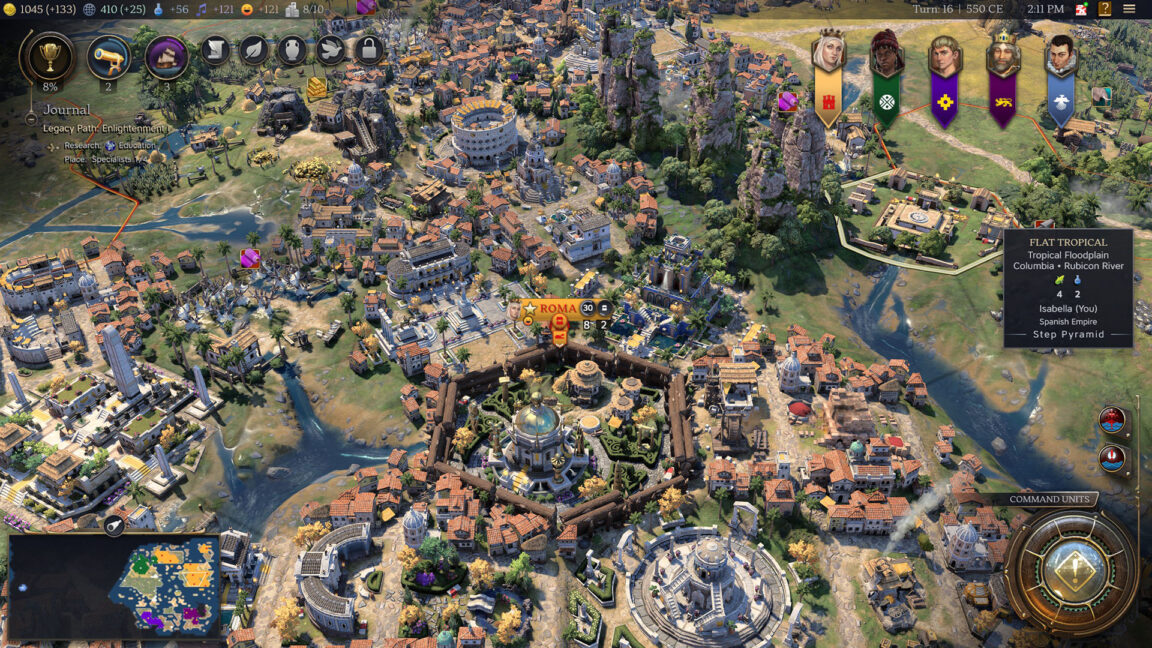
A Third of Its Workforce, Gone
Firaxis Games just let go of roughly a third of its staff. The cuts hit one of the most recognizable names in strategy gaming — the studio behind Civilization, XCOM, and a handful of other titles that have defined the genre for two decades. What makes this move notable isn’t just the scale; it’s the context.
The layoffs come months after Civilization VI launched with mixed-to-negative reception, during a period when several other major strategy franchises have also faced criticism from their fanbases. At the same time, the upcoming release of Grand Theft Auto VI by Rockstar Games — another Take-Two studio — threatens to consume whatever resources remain available at the parent company.
Taken together, these developments suggest something important is happening in the strategy space, and Firaxis is only the first domino to fall.
The Anatomy of the Cut
Industry analysts estimate that Firaxis employed somewhere between 200 and 250 developers before the reduction. That means approximately 70 to 85 people lost their positions in a single wave. Most were not contractors or temporary staff — these are tenured employees who built some of the defining strategy games of the past fifteen years.
What’s unusual here is the speed. Firaxis didn’t gradually right-size itself over multiple quarters. This was a sharp, announced reduction that sent immediate shockwaves through a community that had already been nursing grievances since Civilization VI’s rocky launch. Forums lit up within hours. Veterans of the studio — people who had worked on Civilizations III, IV, V, and the earlier XCOM entries — began sharing their departures publicly, creating an unofficial ledger of loss that underscored the human weight behind the corporate announcement.
The remaining staff faces an uncertain future. Three projects are either in development or recently shipped: Civilization VII, which has been in production for years, XCOM 3, reportedly still in early stages, and at least one unannounced IP that sources say was intended to broaden Firaxis’s portfolio beyond its two flagship franchises. With a third of the team gone, each of those pipelines is now under severe pressure — understaffed, overlapping, and vulnerable to scope cuts or delays.
The Take-Two Calculus
To understand why this happened now, you have to look at Take-Two’s broader resource allocation. GTA VI is arguably the biggest entertainment product launch in history. It carries development costs that reportedly exceed $1 billion and represents a revenue event that could sustain the company for years. When a project of that magnitude approaches completion, internal priorities shift. Support teams, middleware, and secondary studios become easier to trim because capital and attention flow toward the marquee release.
This is not unique to Take-Two. We’ve seen similar patterns at Activision Blizzard ahead of Call of Duty launches and at EA around FIFA milestones. But it hits harder at Firaxis because strategy games operate on thinner margins than blockbuster shooters. They don’t generate the same live-service revenue streams, they don’t drive seasonal content cycles at the same scale, and their audiences — while fiercely loyal — are comparatively small.
The strategic logic, if you can call it that, is straightforward: consolidate around titles that guarantee return, defer risk elsewhere. But the cost of that logic extends beyond balance sheets. It sends a message to the entire industry about where publishers see their future value.
The Genre-Wide Ripple
Firaxis doesn’t exist in isolation. Its struggles reflect a broader compression in the strategy gaming sector. Other major publishers have made similar moves in recent years. Sega downsized Creative Assembly’s larger teams after uneven performance on Total War titles. Paradox Interactive has repeatedly restructured as its player base stabilized below earlier projections. Even indie strategy publishers like Curve Games and Leatherneck Studios have signaled tightening budgets and longer development timelines across the board.
What’s striking is the timing. Strategy games enjoyed something of a golden age between 2016 and 2020, fueled by XCOM 2’s success, the longevity of Civilization V’s re-release economy, and a growing appetite for deep, complex systems among players fatigued by the hero-shooter cycle. That era produced some of the genre’s most ambitious entries — Fire Emblem: Three Houses, Age of Wonders III’s extended lifecycle, RimWorld’s emergence into mainstream awareness. But the momentum stalled. Successive sequels failed to translate critical enthusiasm into commercial returns, and publishers recalibrated their expectations accordingly.
The second-order effect is quieter but potentially more damaging: talent drain. Developers who spent years building expertise in turn-based strategy, grand tactics, or 4X design are now looking elsewhere. Some are moving into roguelike-adjacent spaces, others toward simulation or narrative-driven RPGs — genres that currently offer more investment certainty. The specialized knowledge that made Firaxis distinctive doesn’t disappear overnight, but it scatters across studios that may lack the infrastructure to nurture it fully.
What This Means for Players
For the fans waiting on Civilization VII and XCOM 3, the immediate concern is simple: will these games ship? Will they be complete? History suggests that major strategy franchises can deliver strong products even with smaller teams — look at the original XCOM in 2012, which shipped lean but focused — but the margin for error has shrunk considerably.
There’s also the question of creative direction. Layoffs tend to flatten institutional memory. People who shaped earlier entries in these series carry design philosophies that aren’t always documented. Their departure can subtly shift a game’s tone, pacing, or ambition without any official statement explaining why. Fans have already noticed this pattern in other genres — notice how certain sequel universes feel subtly different, how later entries lack the friction or specificity that marked their predecessors. It’s often harder to pinpoint exactly what changed than to simply feel it.
Longer term, the contraction raises a larger question: does the AAA strategy market still exist as a standalone category? Or is the future more fragmented — smaller teams, narrower scopes, more hybrid genres that borrow from action, roguelike, and simulation ecosystems? The data so far suggests neither extreme. There’s clearly demand for deep strategy experiences, but the financial model supporting them appears to be migrating rather than collapsing entirely.
A Clearing Before Something New
The layoffs at Firaxis mark a structural moment, not necessarily a terminal one. Strategy games won’t disappear — they’ve persisted through multiple industry consolidations, platform shifts, and generational transitions already. But the ecosystem that sustained them at their mid-decade peak is dissolving, and what emerges may look quite different.
Publishers are realigning around proven engines, recurring IPs with live-service potential, and franchises that demonstrate clear audience retention. Single-player-heavy, long-cycle strategy titles occupy a precarious position in that framework. They’re not dead, but they’ve lost the automatic priority they once held inside major studios.
That uncertainty creates room for alternatives. Independent developers, satellite studios, and crowd-funded initiatives have filled gaps before. As AAA strategy contracts, those channels will likely absorb both creative energy and displaced talent. The next meaningful entry in a franchise like Civilization or XCOM may come from an unexpected place — or it may arrive with a fundamentally different business model that better aligns with current market conditions.
For now, the industry waits. The Fallout at Firaxis is settling, and the strategy community is watching closely to see whether this marks a retreat or simply a recalibration before the next wave of releases. One thing is clear: the assumptions that guided strategy game development through the late 2010s no longer hold. Whatever comes next will be built on new terms.