Fukushima Water Discharge Succeeded. The Fishing Industry Did Not.
Three years into the Fukushima treated-water release, the technical operation has run smoothly—but China's import ban on Japanese seafood remains largely in place, and affected fishermen have seen prices collapse with no compensation in sight. The real cost of the discharge is being borne by the people it was meant to protect.
The numbers look like a success story.
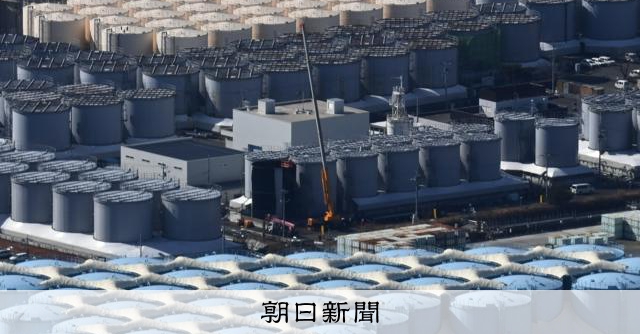
Three years after Tokyo Electric Power began releasing treated water from the Fukushima Daiichi plant into the Pacific, the operation has proceeded with technical precision. Some 173,000 tonnes have been discharged across 22 release events. Storage tank levels have dropped from roughly 1.25 million tonnes to about 1.12 million — a reduction of some 10 percent. The water is being managed. The tanks are slowly emptying.
But walk through any fishing port in the Tohoku region and you will not hear about metrics and milestones. You will hear about prices that have nowhere to go but down.
This is the gap that Japan’s nuclear communication strategy has failed to close: the water is going out to sea cleanly, but the market is still punishing Japanese seafood. The two realities coexist, and neither is getting the attention it deserves.
China kept its ban. The domestic industry took the hit.
When Japan began discharges in August 2023, China responded within days by halting imports of Japanese seafood. That ban has persisted — with a brief partial relaxation in June 2025 that was effectively reversed by November. Russia and Hong Kong maintain their own restrictions. Together, these are some of Japan’s most important seafood export markets, and they are gone.
The partial lift China signaled in mid-2025 was widely read in Tokyo as a diplomatic opening. It did not hold. By late 2025, the restrictions were back in place, largely unchanged. For fishing cooperatives that had been told the discharge would restore consumer confidence rather than diminish it, the reversal was not surprising — it confirmed the worst fear, which was that no amount of technical reassurance would move a political decision.
Sea cucumber prices, cited in reporting by the Asahi Shimbun, have dropped sharply. The specific magnitude is difficult to pin down without direct price indexes, but the direction is unambiguous: where demand collapsed, prices followed. Fishermen describe what they are experiencing as a grievance with no remedy.
Compensation was promised. It has not arrived.
In late July, Akira Ono, head of TEPCO’s Fukushima Daiichi Decommissioning Company, publicly acknowledged the durability of the challenge. “Ocean discharge is truly a long-term, continuous effort,” he said. He then listed the company’s commitments: ensuring transparency, communicating accurate and understandable information, supporting seafood distribution, and providing appropriate compensation when damages occur.
The language is careful. The timeline is vague. And three years later, no compensation framework has been made public — neither from TEPCO nor from the Japanese government, which is the party with the leverage to negotiate with Beijing.
This is the structural blind spot in Japan’s approach. The government framed the discharge as a matter of scientific credibility and international cooperation, investing heavily in the World Health Organization, the International Atomic Energy Agency, and bilateral diplomacy with Pacific island nations. It spent comparatively little on the domestic industry that would bear the brunt of any trade retaliation. When those trade restrictions held, there was no plan B for the fishermen.
The discharge is not the problem anymore. The narrative is.
TEPCO has said it will increase releases this fiscal year to eight events — one more than last year — and will begin secondary treatment for water that does not meet discharge standards on the first pass. The ultimate target is to clear the remaining tanks by 2051, the projected date for full decommissioning. Empty tanks are being dismantled: 17 completed, four in progress. New inspection methods using underwater drones and robots are replacing the traditional process that required draining each tank and spending two to three months on internal checks.
All of this is infrastructure management. It is also, inevitably, slow. The daily generation of new contaminated water — roughly 60 tonnes per day — means the tank count will not fall as fast as the discharge volume rises. The operational plan exists; the political plan does not.
That distinction matters because the discharge itself is not what is killing seafood demand. The bans are. And the bans are political, not scientific. They have continued despite IAEA reports, despite bilateral consultations, despite TEPCO’s own data releases. No amount of additional transparency from the plant will change that calculus in Beijing.
Who wins, who loses, and what happens next.
The winners are the engineers and operators who have turned a messy, decades-long problem into a routine industrial process. The Pacific waters are absorbing the diluted treated water, and the radiation levels being reported are well below regulatory thresholds.
The losers are already known: the fishermen, the cooperatives, the coastal towns that tied their reputations to a product now treated as suspect in the largest Asian market. They were told the discharge would fix the perception problem. It did the opposite.
The uncertain party is the Japanese government. Every month the China ban holds, the political cost of the discharge rises — not because the science is in question, but because the promised relief never materialized. TEPCO’s compensation pledge remains abstract. If a class-action framework or a statutory compensation program emerges, it will reshape the economics of decommissioning. If it does not, the industry will continue to absorb losses that were never budgeted for.
What happens next is less about the ocean and more about accountability. The discharge will continue at a steady pace until at least 2051. The trade bans may ease eventually — China’s partial relaxation in mid-2025 proves the door is not sealed shut — but the timing is unpredictable and the conditions are opaque. Meanwhile, the fishermen have no clear path to recovery beyond waiting for markets to reopen on their terms.
Japan managed the water. It did not manage the consequence.