G7 Oil Release And The Trump Diesel Pause: A Fragile Fix
The G7 agreed to release 100 million barrels of strategic reserves while Trump paused a diesel export ban. What looks like coordination is really a short-term delay — and the real winners and losers will surface in coming months.
The Compromise That Looks Like Coordination
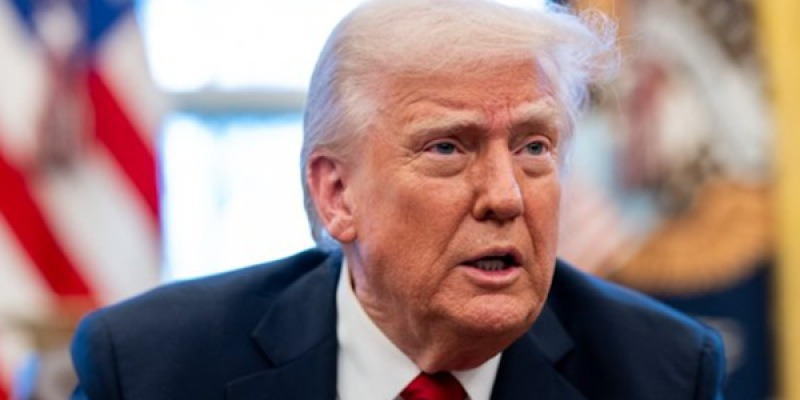
The G7’s announcement on Friday read like a triumph of transatlantic energy diplomacy. Member nations agreed to release 100 million barrels of strategic petroleum and diesel reserves through the International Energy Agency over the next four months. Hours later, Donald Trump confirmed the United States would not move forward with a diesel export ban — the very measure Washington had floated weeks earlier and that had rattled European markets.
On the surface, this is a coordinated response to surging fuel prices triggered by the Middle East conflict. In practice, it is a bargain built on deferral. The reserves will hit the market soon. The export ban stays shelved. Nobody solves the structural problem that made diesel prices spike in the first place.
The immediate effect will be visible. European diesel futures, which briefly exceeded $200 a barrel, should cool. US retail diesel prices, which climbed to $6.53 a gallon, will likely ease somewhat. But the relief is timed — four months of reserves, nothing more — and the underlying dynamics that drove prices to those levels remain untouched.
Who Wins, Who Loses
European refiners are the first obvious winners. A diesel export ban from the United States would have redirected American supply away from European ports and toward Asian markets, tightening an already strained regional balance. The pause removes that pressure. Refiners in Rotterdam and Antwerp can continue sourcing mid-western US diesel without the threat of sudden policy reversals.
American agricultural producers, however, get a thinner consolation prize. Trump framed the reserve release as a victory, praising allied nations for doing “a wonderful job.” But LaBouance strategist Joe Drolla pointed out the blunt reality: the policy push is a short-term solution that merely delays adjustment for one to two months. Farmers facing $6.53-a-gallon diesel may see modest relief, but not enough to materially change their cost structure through planting season.
The fossil fuel industry gets the most attention, but it is also the most uncertain beneficiary. ExxonMobil, Chevron, Shell, and Phillips 66 have all urged the administration to explore alternatives to an export ban. Their argument was straightforward: limiting US diesel exports would cause domestic inventory to build rapidly, prompting producers to cut output and potentially driving prices back up. That logic holds, but the reserve release itself introduces a new variable — increased global supply that could further compress margins for American exporters who previously relied on premium pricing in European markets.
The Political Calculus
Trump’s reversal deserves close reading. He told reporters at the White House that the export ban was never seriously considered — “we were never even thinking about doing it” — yet his own staff had pushed for it just last month. The contradiction is telling.
This is a president balancing two coalitions that pull in opposite directions on energy policy. Rural and midwestern Republicans, many of whom represent agricultural districts, demanded action on rising fuel costs ahead of the November midterms. Their constituents feel the price at the pump directly. At the same time, fossil fuel industry voters and the executives who fund their campaigns warned that export restrictions would harm American producers and alienate European allies.
The compromise satisfies both sides on paper. The export ban dies. The reserve release gives Trump something to announce. But neither side gets what it fundamentally wanted. Farmers do not get sustained price relief. Energy companies do not get the market access an export ban would have protected by reducing overseas competition.
The Second-Order Effects
What English-language coverage of this story tends to miss is the refining dimension. The US exports significant volumes of diesel to Europe. When those exports are constrained, European refineries — already operating under thin margins — face higher input costs. When those exports resume, European refineries must compete with American product that carries no tariff but benefits from cheaper Gulf Coast feedstock.
The four-month reserve release window creates a temporary glut that favors European buyers. After that window closes, the question becomes whether American exporters return to their previous volumes or redirect supply elsewhere. If the latter, European refiners face a sharper shock later.
There is also the question of China. The Trump administration reportedly asked Beijing to expand refining capacity as part of the broader strategy. That request, if taken seriously, would shift long-term refining geography in ways that could disadvantage European and American operators alike. Chinese refiners with expanded capacity could undercut global diesel prices within a few years, reshaping trade flows that have been stable for decades.
What Comes Next
The reserve release is a bandage, not a cure. The four-month timeline means prices will stabilize temporarily and then face the same pressures that caused the spike in the first place. The diesel export pause removes an immediate threat but does not address the structural imbalances in global refining and shipping that drove prices to record levels.
European governments should prepare for the post-reserve period. If American diesel floods back into European markets after the IEA release window closes, local refiners will face margin compression that could accelerate consolidation. The alternative — maintaining export restrictions indefinitely — would damage the transatlantic relationship and invite retaliatory measures.
The more prudent path is to treat this agreement as a bridge, not a destination. The reserve release buys time. How that time is used — whether by investing in refining capacity, diversifying supply routes, or building strategic partnerships beyond the G7 — will determine who benefits and who pays the bill when the four months run out.
For now, the market is calm. Prices have retreated from their peaks. Trump has a headline. The G7 has a photograph. But the underlying equation — rising demand, constrained refining capacity, geopolitical risk — remains unsolved.