GTA 6 Build Leak Threatens Rockstar's Launch Strategy
A second leak from the same group that broke GTA 6 ahead of release threatens to torpedo Rockstar's PC rollout and suggests the studio faces mounting security failures at precisely the worst moment.
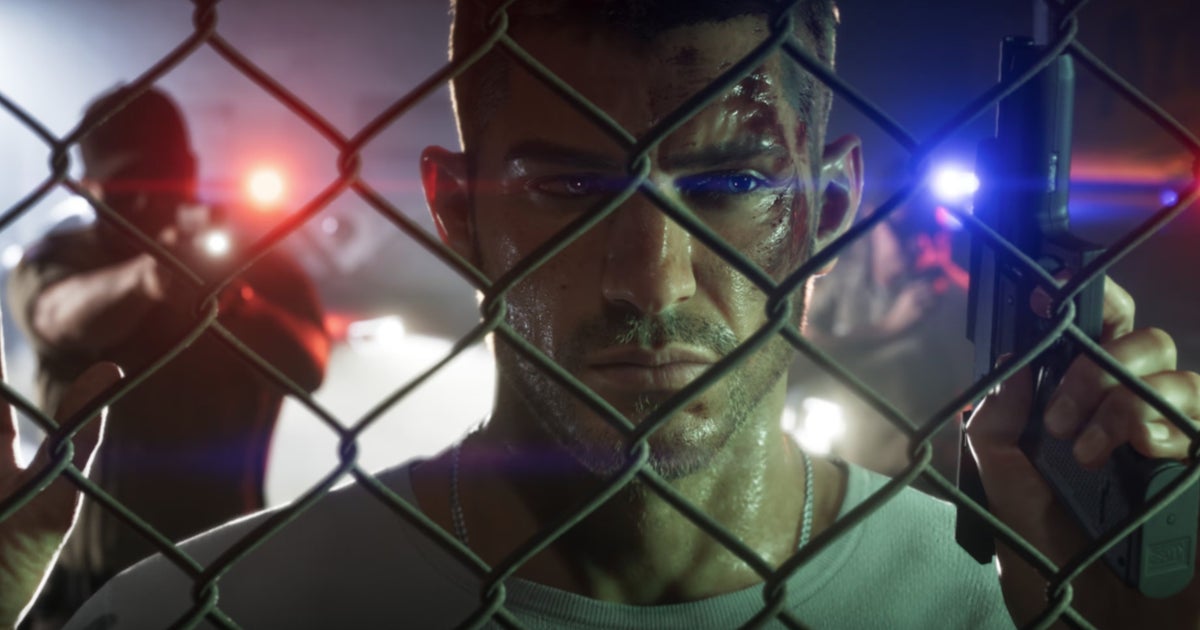
A Countdown That Could Shatter the Most Anticipated Game in History
CyberLeek returned on Wednesday with a claim that lands differently than anything the group has pulled before. After leaking early GTA 6 gameplay footage that forced Rockstar into public damage control ahead of the title’s long-awaited launch, the persona is back, this time offering a 209-gigabyte download described as the actual development build from November 2026.
The statement is blunt and dripping with threat escalation. “It is done,” reads the group’s latest post. “[CyberLeek] holds the full November 2026 build of Grand Theft Auto 6, and it is going out by torrent. Now. Every file except one. The main executable is held on a countdown.”
That single missing executable is the fulcrum on which an entire launch strategy may be balanced.
Why This Is Different From Previous Leaks
Previous CyberLeek leaks — including the pre-launch gameplay footage that circulated widely online — represented breaches of marketing timelines and competitive secrecy. A complete build, even an incomplete one, represents something qualitatively worse. If the group is telling the truth, someone inside or adjacent to Rockstar’s engineering infrastructure walked away with every asset, code path, level design document, NPC behavior tree, and dialogue script the studio spent nearly a decade assembling.
The scope of what was compromised goes beyond the game itself. Development documentation, internal testing protocols, bug reports, and patch notes all lived within those 209 gigabytes. Reverse-engineering communities don’t just replicate games; they dissect them, catalog vulnerabilities, and produce modification frameworks that outlast official support. GTA Online’s economy — a live service generating hundreds of millions annually — would be directly exposed to exploitation the moment emulation arrives.
The missing executable matters less than the narrative does. Emulation within a week was not a boast; it was a prediction based on precedent. PC reverse-engineering communities routinely take apart proprietary binaries and produce working emulators. When GTA 5 leaked years ago — before its official launch — the community shipped patches, fixes, and enhancements within days. There is no reason to believe GTA 6 would face steeper technical barriers to emulation, particularly if Rockstar delays its PC release to protect console sales windows.
Take-Two tried to subpoena Discord over CyberLeek’s prior leak. The company called previous disclosures “heartbreaking.” None of that stopped this second breach. And the speed between the first leak and this one — roughly six weeks — suggests an ongoing, systematic compromise rather than an isolated incident.
The Business Math Behind the Threat
This is not purely ideological warfare. The group operates crypto tokens tied to each leak cycle, a monetization model first established during the original gameplay dump. Independent estimates placed CyberLeek’s earnings at roughly £200,000, though those figures were never independently audited and likely understate actual proceeds. The current announcement specifically states the executable will release earlier if the associated token reaches a predetermined value.
In plain terms: shareholders are being told, through a publicly posted countdown, that Rockstar’s product will reach the internet on a schedule determined by speculative cryptocurrency speculation rather than legal proceedings or corporate negotiation. The implication is uncomfortable. A studio preparing to sell $2 billion in first-week revenue is effectively ceding its fate to a market it cannot control.
Second-order effects multiply quickly. Third-party content creators who planned coverage around an official launch now face an uncertain timeline. Platform holders like Sony and Microsoft have invested heavily in console launch bundles tied to GTA 6 — bundles that lose compelling when the same experience runs on cheaper hardware weeks later. Retail partners holding physical inventory face the same dilemma. The ripple extends far beyond Take-Two’s balance sheet.
Rockstar’s Unannounced PC Release Is Now a Liability
Multiple reports have floated the possibility that GTA 6 will arrive on PC after its console debut — a departure from the studio’s historically simultaneous multi-platform launches. In normal circumstances, that staggered approach benefits a publisher. It extends consumer engagement, reinforces platform loyalty, and maximizes lifetime value across hardware generations.
When a complete build already exists outside the building, however, staggering becomes catastrophic. If gamers can play the exact same product on their own machines within weeks of launch through emulation, there is zero commercial logic in purchasing either a console or waiting for an official PC release months later. The window of scarcity is gone, and it disappeared before anyone realized it existed.
This dynamic also undermines Rockstar’s ability to negotiate licensing deals, partner integrations, and cross-media promotions that depend on controlled release timing. Any campaign built around a coordinated global launch window loses coherence when the product is already in circulation.
Who Wins, Who Loses, What Comes Next
Who wins here remains unclear. Consumer advocates who framed the initial leak as pro-Gamer Rights activism may gain rhetorical traction, but the actual distribution mechanism — a token-locked countdown on a website — favors speculators, not players. Those willing to invest in the project’s cryptocurrency win early access. Everyone else waits.
Rockstar loses credibility on two fronts. The first is operational: a team of thousands cannot recover from a single breach of this magnitude without assuming that insider threats or compromised contractor access exist at scale. The second is commercial: any pricing power depends on exclusivity windows, and exclusivity is meaningless when the product runs identically on hardware you do not own.
CyberLeek’s fallback threat — that the group will pivot to a PlayStation 5 build if Xbox emulation fails — signals both confidence in its capabilities and indifference toward platform-holder interests. Sony and Microsoft cannot indemnify against this scenario. Neither can Take-Two, despite its legal teams.
The most consequential unknown is the identity of the source. A single developer or contractor with elevated access could enable this level of exfiltration. Contractor access compromises — especially at the scale Rockstar operates across multiple studios and外包 locations — represent an industry-wide blind spot that this leak exposes with brutal clarity.
The November build may already be circulating in fragments across private servers. The remaining question is not whether the executable appears but when, and whether anyone in a position of authority moves fast enough to make a difference. The countdown has begun, and for a franchise built on momentum, momentum is everything.