GTA 6 Launch Trailer Drop Signals Rockstar's Confidence Surge
Rockstar's decision to release the Grand Theft Auto 6 launch trailer over a month before launch marks a strategic shift. It reveals Take-Two's confidence in sustaining pre-release hype and capitalizing on delayed anticipation.
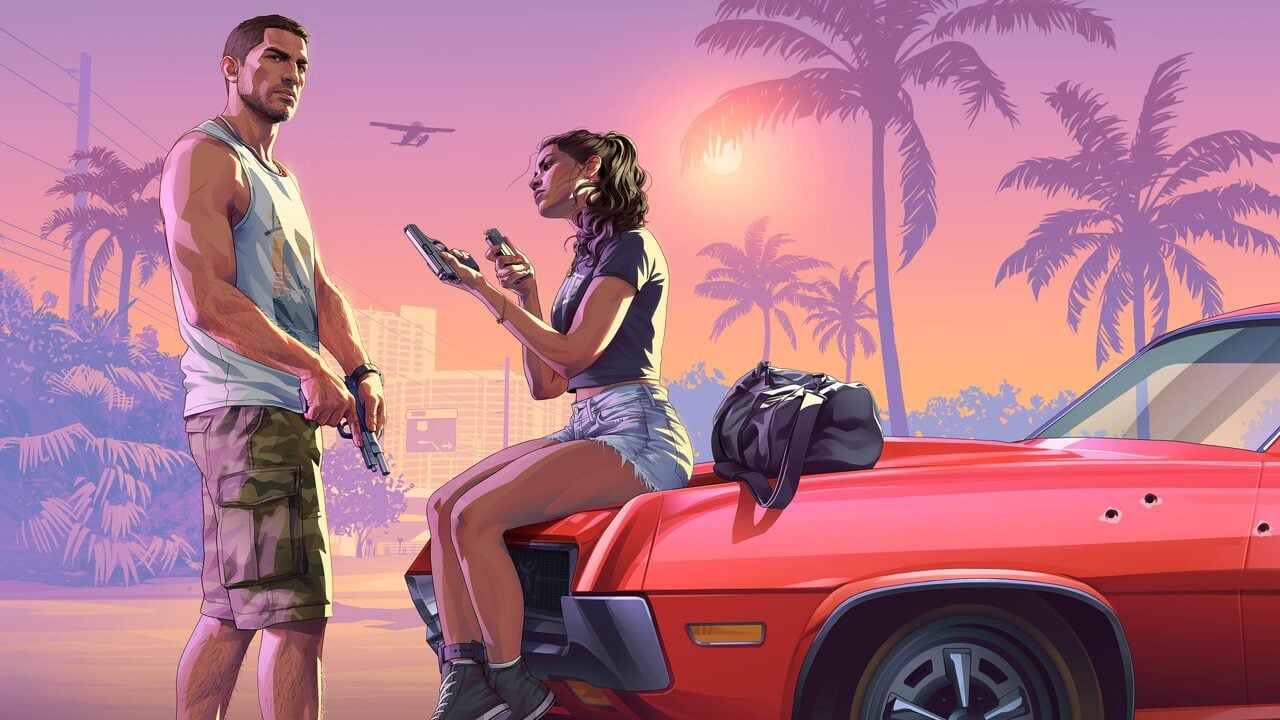
The Earliest Launch Trailer in Franchise History
Rockstar Games has dropped the Grand Theft Auto 6 launch trailer—a full month before the November 19th release. The 90-second video, featuring PlayStation branding and an M for Mature rating, introduces scenes not seen in previous trailers alongside familiar moments. Most notably, it showcases “Flower In A Hurricane,” a track by French electronic duo Justice, who composed the game’s original score.
This timing is unprecedented. Previous GTA titles released launch trailers weeks, not months, before launch. The shift signals a deliberate strategy: Take-Two Interactive is betting that sustained, high-quality content can maintain global hype over an extended period without diluting anticipation.
The decision to release this early breaks from decades of Rockstar’s carefully controlled marketing playbook. Since Grand Theft Auto III reignited the open-world genre in 2001, the studio has treated its launch trailers as event-level moments—tight, cinematic, and timed to maximize immediate impact right before release. A four-week lead time was considered almost sacrilegious in earlier eras of the franchise. This move suggests Rockstar has recalibrated what it considers acceptable risk in an era where player attention spans are fragmented and competitors are flooding the space with AAA titles vying for holiday shelf dominance.
Why Early Matters Now
GTA 6 has been in development since 2013, with multiple delays pushing its release from 2023 to 2025, then to 2026, and finally to November 19, 2026. Each delay amplified consumer curiosity, but also risked fatigue. Releasing a launch trailer this early addresses that risk by providing a new cultural event—Justice’s music, fresh visuals, and platform-specific branding—to keep the conversation alive.
Digital Foundry’s upcoming analysis will dissect any technological insights, but the immediate impact is marketing. The trailer arrives amid a period where gaming media cycles typically slow between major events. By flooding YouTube and social platforms now, Rockstar ensures GTA 6 remains the dominant topic in gaming news, outpacing competitors’ releases.
Beyond the obvious visibility play, this early drop creates second-order effects across the entire gaming ecosystem. Influencers and content creators gain a new video to react to, review, and analyze—feeding the algorithmic engines that drive engagement on YouTube, Twitch, and TikTok. Streaming platforms see a spike in viewership as creators build out preview content around the trailer. Retailers benefit from renewed pre-order momentum, and game subscription services like Xbox Game Pass or PlayStation Plus may adjust their content calendars to avoid stepping on GTA 6’s cultural gravity.
The strategy also reflects a broader industry trend: publishers are increasingly treating pre-launch content as a sustained campaign rather than a single spike. This mirrors how film studios roll out teasers, trailers, and behind-the-scenes material over months to maintain box office buzz. Rockstar is adapting a cinematic model for a interactive product.
Take-Two’s Monetization Play
The soundtrack is available for pre-order on CD and vinyl, streamable from launch day. This extends the revenue window beyond the game itself, turning fans into early adopters of ancillary products. It’s a proven model—Halo’s music sales, Call of Duty’s soundtracks—but applying it to GTA 6, a franchise with unprecedented pre-release demand, maximizes profit potential.
The M rating and PlayStation branding suggest a targeted approach: mature audiences and console gamers are the core market. Rockstar isn’t chasing casual players; they’re reinforcing the game’s identity as a premium, content-rich experience worth waiting for.
This monetization strategy reveals something deeper about Take-Two’s financial positioning. With GTA 6 generating over $1 billion in pre-order revenue reportedly, the company has essentially secured its fiscal year before the game ships. The soundtrack, merchandise, and platform-exclusive deals compound that revenue stream. Secondary-market pricing for limited-edition vinyl could appreciate significantly given collector demand, creating a peripheral economy around the IP that outlasts the initial sales window.
Additionally, the PlayStation branding on the trailer is no accident. Console exclusivity windows and platform partnerships remain critical revenue drivers in the current generation. Sony likely received favorable terms for featuring GTA 6 prominently, and Rockstar gains a co-marketing partner with deep pockets and a vested interest in the title’s success.
Who Wins, Who Loses
Rockstar wins by controlling the narrative. Early trailer drops reduce speculation-driven leaks and replace them with official, polished content. Take-Two wins through extended monetization channels. Fans win by receiving more material before launch, though some may argue it reduces the surprise factor.
Competitors lose visibility. Other fall 2026 releases face a shadow as GTA 6 dominates media cycles. Smaller studios aiming for holiday attention must work harder to break through. Even major third-party titles scheduled for the same window will struggle to capture headlines when every gaming outlet is circling the Rockstar orbit.
The real loser in this dynamic may be the broader discourse around gaming quality. When one title monopolizes attention for an entire month, the nuance required to evaluate other releases fairly evaporates. Media outlets may feel pressured to chase GTA 6 angles rather than investing in critical coverage of peer titles. This concentration of cultural gravity risks creating a monoculture within gaming journalism.
What Happens Next
The launch trailer’s reception will set the tone for the final month. If it delivers, anticipation peaks; if it underwhelms, the long wait could sour. Digital Foundry’s deep dive into technical details will add credibility, but emotional impact hinges on whether Rockstar has captured the game’s essence.
Pre-orders will surge, and physical copy demand may strain supply chains. Rockstar has historically managed launch-day logistics poorly, but the extended timeline allows for better preparation. The real test is whether the game meets the inflated expectations built over a decade.
Looking ahead, we may see other AAA franchises adopt similar early-content strategies. If GTA 6’s approach proves commercially successful without burning anticipation, publishers likeEA, Ubisoft, and Activision may replicate the model for their own flagship titles. The gaming industry could enter a new era where launch trailers are treated as the opening act of a months-long promotional symphony rather than the curtain call.
The early trailer drop isn’t just marketing; it’s a statement of confidence. Rockstar believes GTA 6 is ready to satisfy one of gaming’s most demanding audiences, and they’re willing to invest the resources to prove it. Whether that confidence is rewarded will be determined not by trailers or soundtracks, but by the quality of the game itself when it finally lands on November 19th.