GTA 6 Leaks and the New Legal Frontier for Platform Liability
Take-Two's decision to subpoena Microsoft and Discord over GTA 6 leaks marks a strategic shift toward holding platforms accountable rather than chasing individual leakers. The move could reshape how the entertainment industry fights pre-release IP breaches.
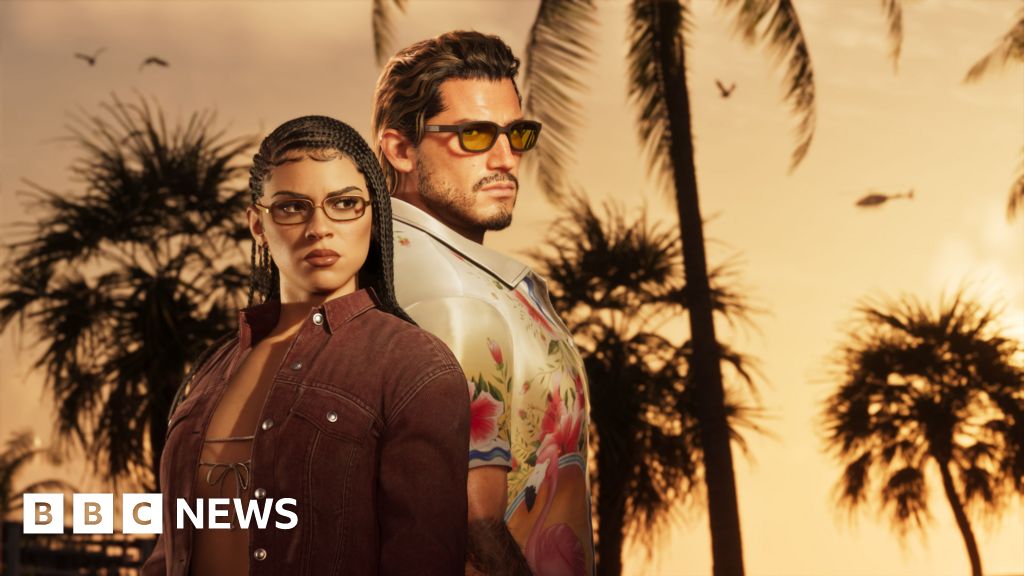
The subpoena is the story
Take-Two Interactive didn’t just issue cease-and-desist letters. On Friday, it filed proceedings in a New York court demanding Microsoft and Discord hand over the user details of accounts sharing what the company calls “copyrighted material” from Grand Theft Auto 6. The filings, first reported by Kotaku and obtained by BBC Newsbeat, represent something larger than a standard takedown campaign.
This is a legal strategy aimed at the infrastructure, not the individuals. The leakers may vanish behind pseudonyms, but Microsoft owns GitHub. Discord operates a single platform. Take-Two is effectively testing whether courts will enforce copyright obligations against the companies that host the distribution, setting a precedent that could extend far beyond gaming.
Why platforms, not people
The leakers themselves are difficult to reach. They operate under anonymous handles, disappear when content is removed, and have proven nearly impossible to trace through traditional DMCA processes. The group behind the leaks has claimed to act in the interests of players, accusing Rockstar of anti-consumer practices like the decision not to release a disc version of GTA 6 at launch. But they have also invited viewers to send cryptocurrency donations to the accounts uploading the footage. Stop Killing Games, which campaigns against all-digital distribution models, called the leaks “destructive” and urged people not to pay.
The skepticism is widespread. Wesley Yin-Poole, director of news at IGN, said most people believe the motivation is money, not ideology. The anti-consumer framing feels like cover. That makes pursuing individual leakers seem like whack-a-mole. Go after one account, two more appear. But target the platform, and you change the calculus entirely.
What this means for tech companies
The subpoena forces GitHub and Discord into a position most platforms have spent years avoiding: direct legal responsibility for user-uploaded infringing content. Both companies have robust reporting systems and remove content when copyright claims are filed. Content is being taken down. Accounts tied to the leaks have disappeared. But Take-Two is clearly not satisfied with reactive takedowns. It wants identification. It wants the ability to pursue damages. And it wants the courts to confirm that platforms can be compelled to provide that access.
The implications reach beyond gaming. Film studios, music labels, and streaming services all face the same problem: pre-release content leaks faster than takedowns can keep up. If Take-Two wins the right to compel disclosure from platforms, every content company gains a tool. If the court pushes back, platforms retain a shield that makes piracy enforcement almost entirely dependent on voluntary cooperation.
The game industry’s secrecy culture is changing
Rockstar Games has long treated secrecy as a core creative strategy. Obbe Vermeij, a technical director who worked on GTA 3, Vice City, and San Andreas before leaving in 2009, told BBC Newsbeat that keeping information under wraps was always intentional. “We always wanted to keep things a secret,” he said. “The reason was that it makes launch day so much more fun.”
That strategy worked when distribution channels were narrow. Physical discs limited the audience. Launch-day excitement depended on genuine surprise. The internet changed the physics. Every promotional image, every social media post, every pixel gets dissected by communities far larger than any marketing team can control. Vermeij acknowledged that Rockstar’s own strategy creates the conditions for conspiracy theories, including an elaborate fan theory that decoded an image of the moon in a GTA Online promotional post to predict the release date of the first GTA 6 trailer.
The leaks probably won’t kill the game
Yin-Poole called GTA 6 “an enormous endeavour” built over a decade with thousands of people involved. He said the leaks will have been devastating to the developers personally, but he does not expect them to derail the game’s commercial prospects. “GTA 6 will be an unprecedented moment in pop culture history,” he said. “This will become a footnote.”
Vermeij agrees. He has not watched the leaked footage. He believes most gamers are not hunting down clips online and that the hardcore subset driving the leaks represents a tiny fraction of the eventual player base. “I think it will have no impact at all whatsoever,” he said. “People will have forgotten about it by the time the game comes out.”
GTA 6 is due for release on November 19 for PlayStation 5 and Xbox Series X/S, with a PC version expected later.
Who wins and who loses
If Take-Two prevails, platforms lose the ability to treat user data as opaque. They will face legal pressure to cooperate with copyright enforcement in ways that go beyond content removal. That raises questions about privacy, about the scope of platform obligations, and about whether smaller platforms will be able to comply without building infrastructure they currently lack.
If the court limits the subpoena, platforms keep their shield. Leakers retain the anonymity that makes them difficult to punish. The leverage shifts back to the distributors of leaked content rather than the owners of the intellectual property.
For Rockstar, the immediate risk is manageable. The game’s success is unlikely to hinge on whether a few clips circulate online before the official trailer drops. The Netflix special, a 30-minute extended look announced by Rockstar, will still generate its own cultural moment. The longer-term risk is procedural: if this legal approach succeeds, it changes how every major studio fights leaks. If it fails, it leaves the industry with fewer tools.
What happens next
The New York filing is the beginning, not the end. Courts will decide whether copyright holders can compel user identification from platforms at this stage of enforcement, or whether platforms get to choose when to cooperate. The outcome will shape enforcement budgets, platform design choices, and the cost of leaking for everyone from indie developers to Marvel Studios.
The leaks themselves are likely to continue regardless. Content will be removed. New accounts will appear. The real question is whether the legal framework catches up to the distribution model. Take-Two is betting that it can. The courts will have to decide whether to agree.