GTA 6's Record Launch Is Reshaping Gaming Economics, Not Just Charts
Rockstar's $3.79 billion GTA 6 opening weekend isn't just a sales milestone—it's a structural shock to how Sony, Microsoft, and streaming platforms will plan releases going forward.
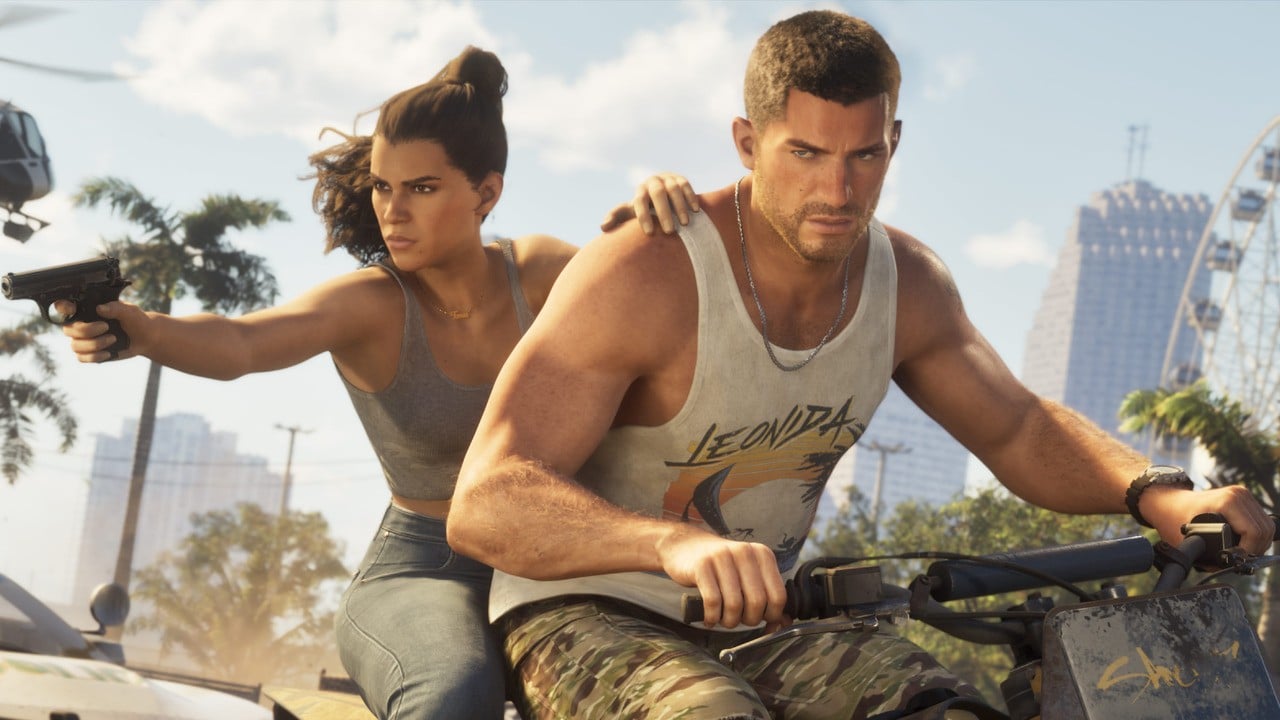
The Number That Should Wake Up Every Platform Executive
Sony announced on Friday that GTA 6 launched on PlayStation 5 with over 39 million unique players in its opening weekend — making it the single biggest console game launch in PlayStation’s history, and likely the biggest entertainment launch of any kind this year anywhere.
But the real story isn’t the headline number. It’s what those 39 million people represent in terms of revenue velocity, hardware attach rates, and industry leverage that nobody has seen at this scale before.
By Rockstar’s own statement released Saturday morning, the game moved 32.5 million units across PlayStation 5 and Xbox Series X|S combined during those first three days. Sony then revealed their numbers separately: 39 million copies sold on PS5 alone by Sunday evening. That means PS5 accounted for roughly 54 percent of total two-platform sales in an eight-day window — a dominance that would be staggering for almost any other title.
The revenue calculation is where things get interesting. At standard retail pricing, a 39-million-unit opening weekend translates to somewhere between $3 billion and $3.8 billion depending on regional mix and whether discounts were applied early. Either way, this crossed into territory that used to belong exclusively to blockbuster films or super bowl ad slots.
Why This Isn’t Just a Game Launch
Games have set big launch records before. But nothing in modern entertainment history has compressed this volume of spending into this short time frame outside of Olympic broadcasts or Marvel Cinematic Universe openings.
What makes GTA 6 structurally different from previous record-setters is the breadth of participation. Forty-nine million hours of playtime logged in a few days isn’t passive consumption. Players aren’t watching this — they’re inside it, paying full price to live in it.
Every PS5 owner who picked up a copy played it an average of 17.4 hours according to Sony’s latest breakdown. That retention rate at launch is extraordinary, and it points to something deeper than novelty. This was a cultural moment that pulled people out of November routines in ways most games never approximate.
Outside normal holiday shopping patterns, GTA 6 drove the largest number of newly connected PS5 consoles on a single calendar day. And notably, 70 percent of those new owners launched directly into GTA 6 rather than exploring other titles first. That kind of attach discipline shapes hardware roadmaps more than any marketing campaign ever could.
The Economic Ripple Effects
Let’s talk about what 39 million buyers does to the ecosystem.
Retailers who stocked these games saw inventory clearances that rival Black Friday electronics weekends. Publishers licensing music rights inside the game watched catalog streams spike across Spotify and Apple Music within hours of launch. Streaming services that hosted GTA 6 creator content saw viewership numbers climb faster than most original programming launches.
But the most direct pressure lands on Sony, Microsoft, and increasingly Netflix, which has been quietly preparing its own interactive entertainment push.
For Sony, this proves the PS5 still commands the premium launch slot even two generations into the current cycle. Tim Turi, PlayStation’s content communications manager, framed the numbers as community-building moments in an official blog post — language chosen carefully, because Sony needs the world to see multiplayer engagement as much as single-player sales.
For Microsoft, the absence of hard Xbox unit numbers alongside Sony’s release is telling. If GTA 6 hit similar adoption rates on Series X|S but Microsoft hasn’t published figures yet, the implication is either caution about market share positioning or confidence in their growth trajectory from lower absolute numbers.
Neither scenario benefits competitive transparency.
For Netflix, which launched interactive episodes and mobile games in previous years without matching this velocity, the gap is now undeniable. A streaming platform that can generate 39 million simultaneous participations in eight days doesn’t exist today — not even close. GTA 6’s reach exposes how far interactive entertainment still sits beneath linear viewing when measured by upfront consumer investment.
What Changes Going Forward
Three things become clear from these numbers.
First, the economics of AAA launches have permanently shifted upward. Studios that were planning $2 billion opening weekends are now competing against a benchmark that’s already been exceeded. This raises development budgets further, accelerates scope inflation, and increases the penalty for anything underperforming relative expectations.
Second, platform holders will recalibrate their launch calendars aggressively. Sony now knows exactly how much weight a first-party title can carry against a third-party juggernaut — and conversely, what happens when both align. The next year’s PS5 exclusives schedule will be planned around understanding that GTAVI-level momentum cannot be casually opposed.
Third, the PC version scheduled for next year changes everything about long-tail revenue modeling. GTA Online’s existing iteration has sustained microtransaction income across nearly a decade. Any new online-focused version built on top of that infrastructure represents recurring revenue potential that publishers have rarely matched outside live-service frameworks designed specifically for that purpose.
The Human Temperature Behind the Data
There’s something worth noting about the emotional dimension here beyond pure commerce.
Thirty-nine million people didn’t simply buy a product. They participated in an event that crossed demographic lines usual for either mature-rated shooters or open-world sandbox games. Parents who bought copies for themselves started sessions that pulled teenagers into shared digital spaces. Communities formed around specific heists and objectives without any traditional social media promotion driving them.
This is the part that marketing teams study for years without ever fully explaining. No amount of trailer spend replicates genuine organic enthusiasm at this volume.
Rockstar clearly understood something about timing and cultural readiness that competitors haven’t matched. Whether that’s luck, accumulated franchise goodwill, or careful calibration of release windows remains unanswered — and probably will stay that way until the PC launch provides a second data point for comparison.
The question now isn’t whether another title will come close. It’s whether any publisher will dare structure a release strategy that assumes they can, or whether the entire industry adjusts its planning horizon to account for a new floor on launch-scale ambition.