GTA 6 Sold 45 Million — Here Are the Real Ripple Effects
GTA 6's record-breaking launch generated over $4 billion in hours. But behind the headline number lie shipping bottlenecks, retail chaos, and an expanding black market for accounts and stolen carts.
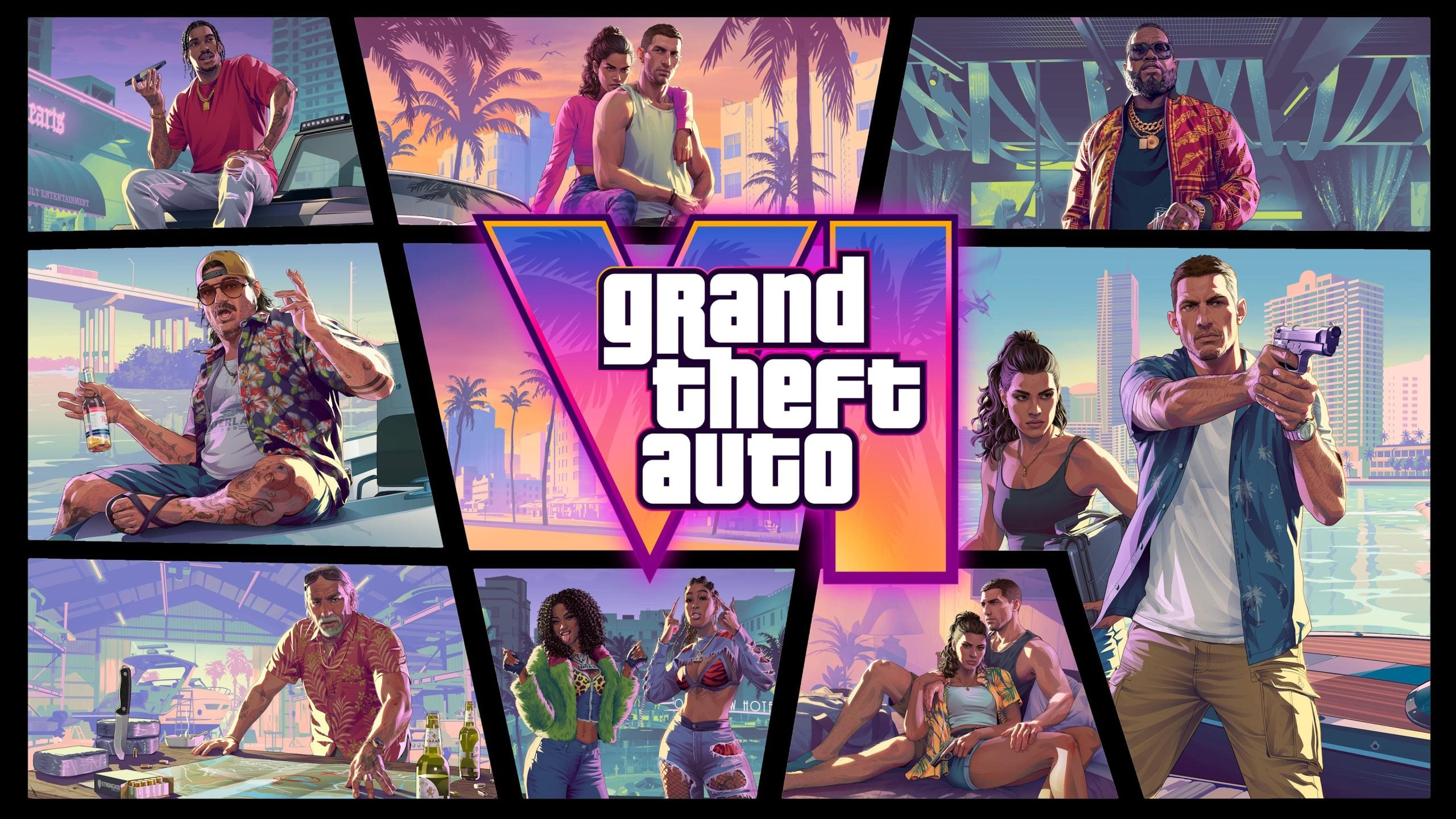
A Number That Rewrites the Ledger
Forty-four-point-nine million copies. That is the figure research firm Alinea Analytics attributed to Grand Theft Auto VI during its opening weekend after the November 19 release. At a standard retail price, that translates to slightly more than four billion dollars in revenue — a sum that Rhys Elliott, Alinea’s head of market analysis, noted roughly matches the combined box office of two major Hollywood blockbusters. It also shatters any prior benchmark for entertainment media, not just gaming.
Yet focusing exclusively on the dollar total misses the harder question. A number that big does not simply sit on a balance sheet. It propagates. It strains supply chains, reshapes retail calendars, inflates secondary markets, and creates fresh attack surfaces for fraud. What happened across the ecosystem in the forty-eight hours after midnight on November 19 matters almost as much as the figure itself.
Who Moves Four Billion Dollars of Physical Media?
Before cloud and digital delivery filled shelves, blockbuster game launches were exercises in coordination. Manufacturing ran at capacity for months. Warehouses allocated dock space weeks in advance. Trucking routes got locked down. Even now, the core — especially on console platforms — remains physical. Alinea Analytics estimated that seventy-five point one percent of the units landed on PlayStation 5 and twenty-four point nine percent on Xbox. Microsoft confirmed earlier that the Xbox Series X/S launch would carry backward compatibility support for earlier Xbox hardware via streaming, but the platform share data the firm cited does not fold in those cloud-based players. That gap alone signals how incomplete public-facing metrics remain for a launch this sprawling.
The logistics implication is blunt: any disruption — a port delay, a customs hold, a warehouse fire, even bad weather in a key distribution hub — ripples immediately into missed shelf dates and angry customers. Publishers have learned to buffer for that. Rockstar Games and Take-Two clearly did, given the scale of rollout coordination across dozens of countries. But buffering costs money and creates hidden waste. Unsold inventory does not vanish; it sits in clearance bins or gets quietly recalled.
The Retail Side Nobody Talks About
When a launch moves tens of millions of physical units in days, retailers are forced into emergency mode. Shelf space must be cleared. Staffing must expand. Loss-prevention protocols tighten. Store managers who typically plan around quarterly buys suddenly live hourly. This is not theoretical. Major holiday-game launches have historically triggered temporary-hire surges and scheduling chaos inside big-box stores. Whatever worked last generation will intensify this time. Demand was front-loaded into a single weekend rather than spread across a month. The human cost of that compression falls on part-time workers, seasonal staff, and middle managers — rarely the people who get quoted in earnings calls.
Retailers also absorb the risk of returns. Pre-order cancellations happen, though less frequently for a product with this kind of anticipation. More common is the post-launch return wave: defective discs, mismatched region codes, bundle disputes, or buyer remorse once hype settles. Each return is a small operational headache stacked on top of the next.
The Secondary Market Goes Viral
Every time a product breaks through normal demand curves, a parallel economy appears within hours. Scalpers, resellers, and arbitrage traders move fast. Digital storefronts enable same-day flipping. Account sellers test payment credentials, redeem keys early, and liquidate them before fraud detection kicks in. Physical copy resellers hunt limited editions, special-store exclusives, and any variant worth a premium.
This is not speculation based on the source material — it is a pattern that repeats at every record launch. What is new this cycle is the speed and reach. Social-media platforms accelerate both buying and selling. Resale price discovery happens in real time. And the product itself, GTA 6 Online, blurs the line between a physical launch event and a persistent multiplayer service, which opens an additional vector: hacked saves, exploited in-game currency farms, and credential-stuffing campaigns that target multiplayer accounts rather than discs.
Take-Two has spent years building fraud prevention into its online infrastructure. Launch weekends are the stress test. When tens of millions of players hit servers simultaneously, edge cases multiply, false positives rise, and legitimate users sometimes get caught in automated blocks while real threats slip through in the noise.
Review Bombing Among the First Ripples
Alinea Analytics flagged a detail that deserves attention. The estimated 44.9 million sold arrived despite what the firm described as review bombing by some players. Meta-critic behavior around AAA games has been growing for years, often tied to disagreements over pricing, content, community moderation, or perceived corporate missteps. For a title this large, even a small percentage redirected toward negative review inflation can distort public perception and create secondary backlash among casual buyers who treat aggregate scores as shorthand.
That friction is economically meaningful. It can depress word of mouth, shift pre-order calculus for later generations, and change how retailers allocate shelf presence for remaining SKUs. It is another reminder that a record launch is never purely a commercial event — it is also a cultural one, and culture does not move in straight lines.
Platform Share Matters More Than Total
Seventy-five percent on PlayStation 5. Roughly twenty-five percent on Xbox. Those ratios will shape development road maps, marketing spend, and multi-year live-service planning for Rockstar. If the split holds past launch, investment tilts toward the Sony ecosystem — tools, QA budgets, event partnerships, and creator collaborations all follow the crowd. That pattern has repeated for the current generation and will likely repeat again unless Microsoft delivers a structural shift in market share, which has been elusive so far.
Elliott’s comparison to film earnings is useful shorthand, but it is also slightly misleading if taken too far. Movie revenue splits across theaters, distributors, and studios on complex sliding scales. Video game revenue at full upfront price goes mostly to the publisher and platform holder, with manufacturing and logistics deductions coming out afterward. A four-billion-dollar game launch is fundamentally different in margin structure than a four-billion-dollar movie franchise. The economics favor publishers who own their IP — which is exactly why they keep making sequels.
What Happens Next
The first week sets the pace, but it rarely defines the arc. Most major launches see sharp drops after day seven as early adopters exhaust themselves and critics publish long-form reviews. The survivors — players who stay engaged, streamers who keep producing content, and communities that self-organize — determine whether a launch becomes a sustained service or a flash that burns through its audience quickly.
Logistically, the next phase is less dramatic but more important for the industry. Return processing. Inventory reconciliation. Fraud audits. Legal teams reviewing reseller settlements and region-code violations. All of that happens away from cameras and earnings-call sound bites.
Culturally, the story already has momentum. Twenty-plus million more people than any previous interactive launch will own the product by the end of the opening cycle. However Rockstar chooses to roll out updates, seasons, and online content will shape expectations for the next decade of AAA live-service releases. Competitors will study those decisions. Investors will adjust their portfolios. Retailers will renegotiate future display contracts.
Forty-five million is a number. The infrastructure required to deliver that number — manufacturing lines, distribution networks, retail labor, fraud systems, and platform compute — is the system. Both are records. Both will be felt long after the weekend headlines fade.