GTA VI Launch Exposes Streaming Wars Between Twitch and YouTube
Rockstar's GTA VI launch is triggering a platform-policy collision as Twitch surges and YouTube deletes archives. The fallout reaches far beyond gaming — into media economics, copyright enforcement, and who controls culture in 2026.
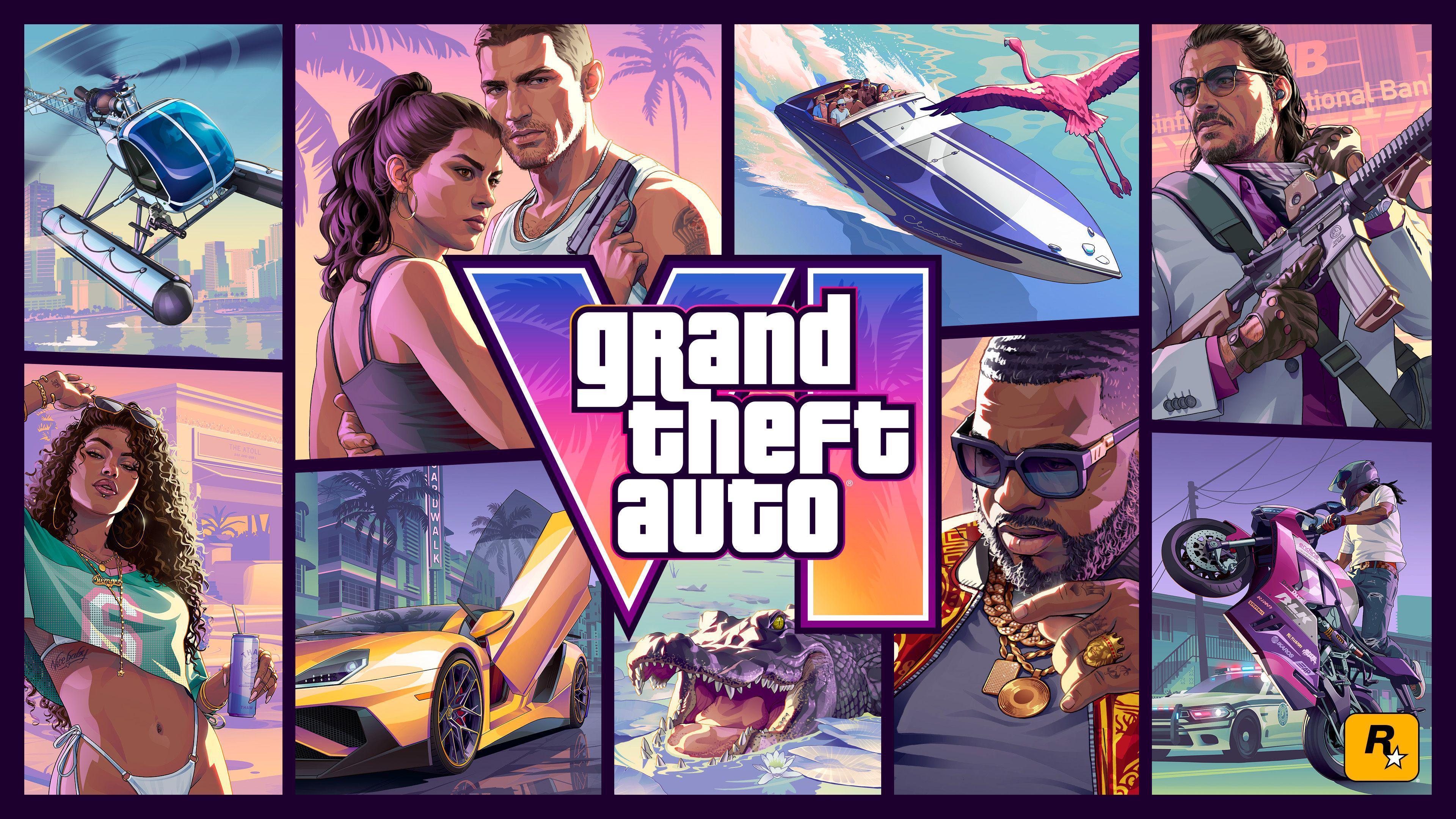
GTA VI Didn’t Just Break Records — It Broke a Platform Deal
On November 19, 2026, the world watched GTA VI launch. Millions tuned in simultaneously across Twitch, YouTube Gaming, and other streaming platforms. The numbers were staggering by any measure — and yet something else happened almost immediately after.
Archives started vanishing.
YouTube began deleting or muting thousands of stream recordings and uploaded videos tied to GTA VI within hours of the release window opening. Not all content — but enough to create a visible pattern that players and journalists quickly documented. Meanwhile, Twitch saw its largest concurrent viewership figures for a single game launch in platform history, a record that will likely stand for years given how long the GTA franchise cycle runs.
This is not a coincidence. And it is not simply about copyright enforcement.
The Real Story Is Who Controls What Audiences Can Watch After the Fact
The distinction matters because it reveals an ongoing structural fight between two platform models. Twitch operates on a live-first ethos where content persists inVOD form by default, monetized through ad revenue and subscriptions shared with creators. YouTube operates on a rights-management-first model where Content ID, automated takedowns, and publisher partnerships shape what stays visible and what gets buried under strikes or mute filters.
Take-Two Interactive and Rockstar have been explicit about their preference for where GTA VI content lives. In interviews around the launch period, executives signaled they wanted the conversation centered on platforms that gave them tighter control over monetization and distribution rights. That alignment is visible in the streaming data — Twitch surged while YouTube archives quietly disappeared.
A publisher choosing which platform becomes the cultural archive for its launch is a power move most commentators missed in the initial rush of launch coverage.
What Happens Next Affects Every Franchise in Gaming
If GTA VI’s launch model proves successful — and the early numbers strongly suggest it will — expect every major publisher to recalibrate how they approach third-party streaming and archiving. The template is already forming:
Launch windows will increasingly be treated as exclusive platform events. Publishers can negotiate terms that prioritize certain services during the critical first months of a release. This benefits platforms willing to pay for those deals and disadvantages those relying on organic creator uploads. Twitch clearly won the opening round with GTA VI.
YouTube’s Content ID system faces mounting pressure. The platform has spent years building its reputation as the default home for game content. Creators built careers uploading GTA V walkthroughs, commentary tracks, and multi-hour playthroughs over more than a decade. When a publisher actively discourages that ecosystem during its biggest launch moment, it sends a message: your audience is theirs to direct.
Creator income models will shift. Streamers who rely on platform-agnostic content archives — clips, edits, retrospectives — may find their libraries thinned if publishers selectively enforce takedowns. Channels built around long-form gameplay could face revenue instability when content gets muted or removed post-publish.
The Numbers Behind the Power Play
Newzoo estimated GTA VI would generate tens of billions in combined retail and ecosystem revenue. Pre-order figures reportedly exceeded Take-Two’s internal forecasts, according to CEO Strauss Zelnick’s November earnings call. The Game Awards nomination list — eight categories including Game of the Year — arrived before the game was widely playable, another signal that the machinery behind GTA VI moves faster than traditional awards timelines.
Meanwhile, AAA game releases in the six weeks preceding GTA VI dropped from ten titles the prior year to just two. Publishers deliberately avoided overlap. Devolver Digital was conspicuous only for choosing to release Volvy’s Adventure: Reslimed directly against it — a gambit that either signals confidence or desperation depending on how you read indie strategy in 2026.
These market distortions exist because GTA VI is big enough to rearrange an industry calendar. But the platform-side effects are smaller, less visible, and arguably more consequential for how games are consumed over time.
Japan’s Front-Row Seat to a Global Pattern
The Japanese market reaction, as reported by outlets like 4Gamer.net, captures the emotional side of this moment beautifully — workers commuting to offices while mentally already in Vice City, employers offering special leave measured in days, fan sites publishing extensive launch guides. The cultural participation is real and vivid.
What Japanese audiences may not see immediately is that the streaming architecture surrounding their GTA VI experience is being redrawn in real time. If you’re watching on Twitch, your VODs persist. If you’re capturing clips for YouTube, some of those files may not survive past the weekend. The platform you choose determines whether your launch moment becomes permanent culture or temporary noise.
That choice was never neutral. It was always going to favor whoever held the publishing relationship closest.
The Second-Order Consequences Are Already Forming
Three developments deserve attention in the coming months:
First, expect publishers to formalize streaming platform preferences in contract language rather than leaving them implicit. The GTA VI rollout showed what happens when a publisher doesn’t need to announce a decision — the market responds to incentives.
Second, YouTube will likely push back. The platform cannot afford to cede interactive entertainment content entirely, especially as Gen Z consumption patterns continue shifting toward short-form highlights and clip ecosystems. We should anticipate policy adjustments or negotiated settlements between YouTube and major publishers in early 2027.
Third, the Atlanta Police Department’s public service announcement warning citizens not to replicate GTA VI violence in real life appeared alongside the launch — a reminder that cultural moments of this scale trigger regulatory and social responses far beyond the gaming sector. When millions converge on a single fictional city simultaneously, reality notices.
Why This Matters Beyond Gaming
The GTA VI launch is a case study in platform capitalism playing out in real time. A publisher with enough cultural gravity can redirect millions of viewers, reshape creator livelihoods, and redraw competitive dynamics across entire markets without issuing a single press release about it.
The real product being shipped on November 19 wasn’t just a video game. It was a demonstration of who gets to own the aftermath.