GTA VI Leak Is Unintended Marketing Gold for Rockstar
A 25-minute Grand Theft Auto VI gameplay leak is spreading faster than Rockstar can suppress it. What started as a protest against physical media's demise is becoming the game's most powerful unofficial ad campaign.
The Leak That Keeps On Giving
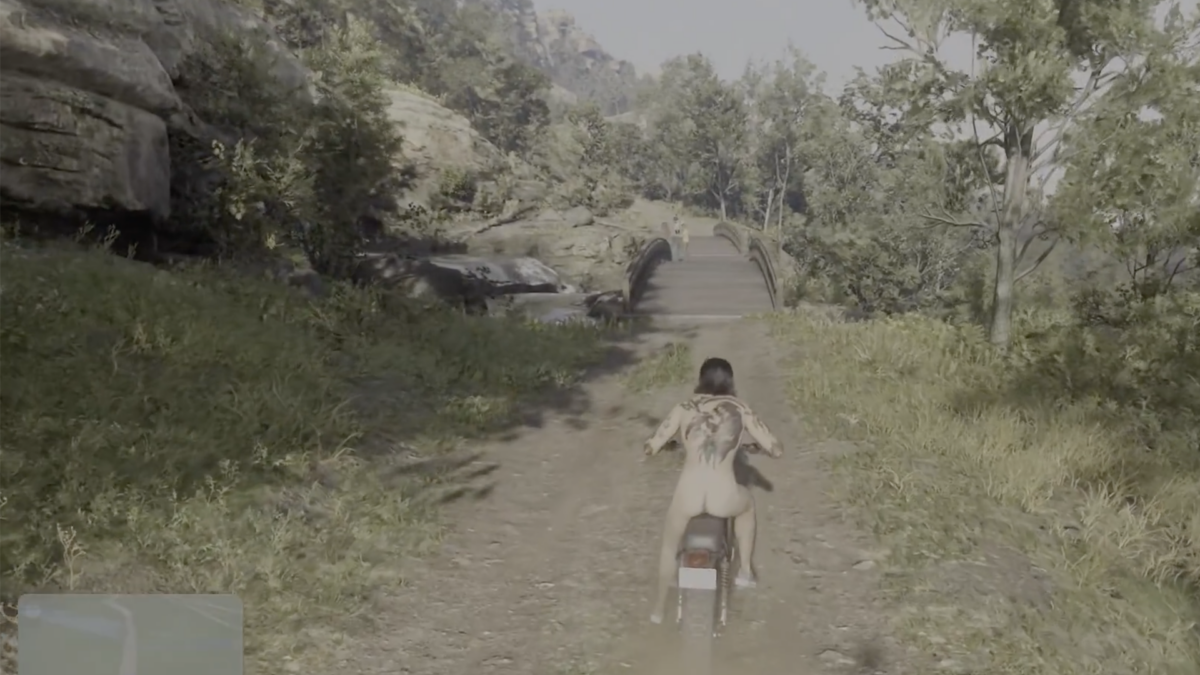
Rockstar Games has been losing a quiet war for months. Someone inside its development pipeline — or someone with access to its servers — has been posting gameplay footage from Grand Theft Auto VI to the internet under the name Cyberleek. The latest installment, a 25-minute video posted this week, is by far the most extensive leaked content yet. It shows co-protagonist Jason running around unclothed, Lucia appearing topless, floating tanks that make no narrative sense, and characters speaking French for reasons nobody has explained.
Rockstar is taking down the footage with what can only be described as extreme prejudice. The original X accounts and the website previously linked to Cyberleek have both been suspended. But the video itself has already spread through every corner of the internet, resurfacing on forums, Discord servers, and third-party archives with a speed that no legal takedown operation can match.
At least one other account claiming to be Cyberleek remains active, though it is impossible to verify which accounts are genuine and which are opportunistic impersonators. The leaker’s stated motivation is not profit or publicity for the game — it is a protest against the decline of physical media. A cover image on the account reads: “We do not own the games, if they do not give us physical editions.” An explanatory title card at the end of the video lays out a philosophy that is difficult to parse and harder to disagree with, though the exact meaning remains opaque even to those who took the time to read it.
There is also, notably, a request for supporters to buy a memecoin hosted on pump.fun. This detail undercuts the purity of the protest narrative and raises the question of whether the leaker is a principled advocate for physical media or simply a person who found the most reliable way to monetize access to Rockstar’s unfinished product.
Why This Matters Beyond the Hype Cycle
For a game that has spent years in anticipation, leaked footage is supposed to be a threat. It threatens surprise. It threatens controlled narrative. It threatens the carefully orchestrated launch window that publishers spend millions building toward. But GTA VI is in an unusual position. It is already the most anticipated game of the decade regardless of what anyone leaks. Sales projections from industry analysts were already setting records before a single frame of leaked footage appeared online.
The leak is not generating hype for a game that needed it. It is generating hype for a game that is generating its own gravity. That changes everything about how publishers should think about leaks going forward.
The Cyberleek videos have appeared on major tech and gaming outlets — Gizmodo, Mashable, Forbes — all covering the same footage with headlines that describe exactly what Rockstar would prefer stay hidden. Each article brings new readers who would not otherwise be thinking about GTA VI. Each social media post about the footage adds to a cultural conversation that Rockstar cannot control and cannot stop.
This is the paradox of information in the digital age: the more forcefully a company tries to suppress leaked content, the more it resembles damage control for a product that people already want. Suppression becomes signal. Silence becomes proof that something valuable exists.
The Launch Calculus
Rockstar’s problem is not that the leak is damaging the game. The problem is timing. GTA VI is due out next month. Every day between now and launch is a day where leaked footage exists in the public consciousness, and every day of actual gameplay after launch will look like an improvement on what was stolen. The leak is a ceiling, not a floor.
But there is a secondary concern that is harder to measure. If someone inside Rockstar has this level of access to unfinished build footage, what else might be available? How deep does the leak go? These questions will not go away when the game launches. They will linger in the minds of collectors, modders, and competitors who watch how Rockstar responds.
The leaker’s demand — physical editions of games — is legitimate and shared by a growing number of people in the gaming industry. Digital distribution has erased the concept of ownership for many players. A game can vanish from a storefront. A license can be revoked. The argument that Cyberleek is making, however messily, is that something fundamental has been lost in the transition to purely digital products.
Rockstar could address that concern directly. A physical edition announcement, even for a game as massive as GTA VI, would undercut the leak’s moral authority and reframe the narrative. Instead, the studio is focused on takedowns. That is a defensive posture, and it looks like one.
What Happens Next
The leaked footage will dominate conversations about GTA VI until the game actually ships. It will shape expectations, invite comparison, and create reference points that Rockstar cannot erase. After launch, the question will shift from what was leaked to whether more will come.
The Cyberleek accounts may return. New leakers may emerge, emboldened by the attention this one has received. The memecoin angle suggests that there is money to be made from leaks even after the game releases — a pattern that could repeat across the industry.
For Rockstar, the hardest lesson may be that some leaks are not problems to solve but marketing channels to manage. The studio has always controlled its narrative through trailers, announcements, and scarcity. That model is breaking. The question is whether Rockstar adapts before the next leak, or whether it spends the next six months playing whack-a-mole while the internet watches.