How Netflix Just Became Gaming's Most Powerful Marketing Machine
A six-hour Netflix exclusive for GTA 6 sent pre-orders soaring 436%, but the real story is what this signals for the entertainment industry — streaming platforms are now direct demand multipliers for games, and that changes everything.
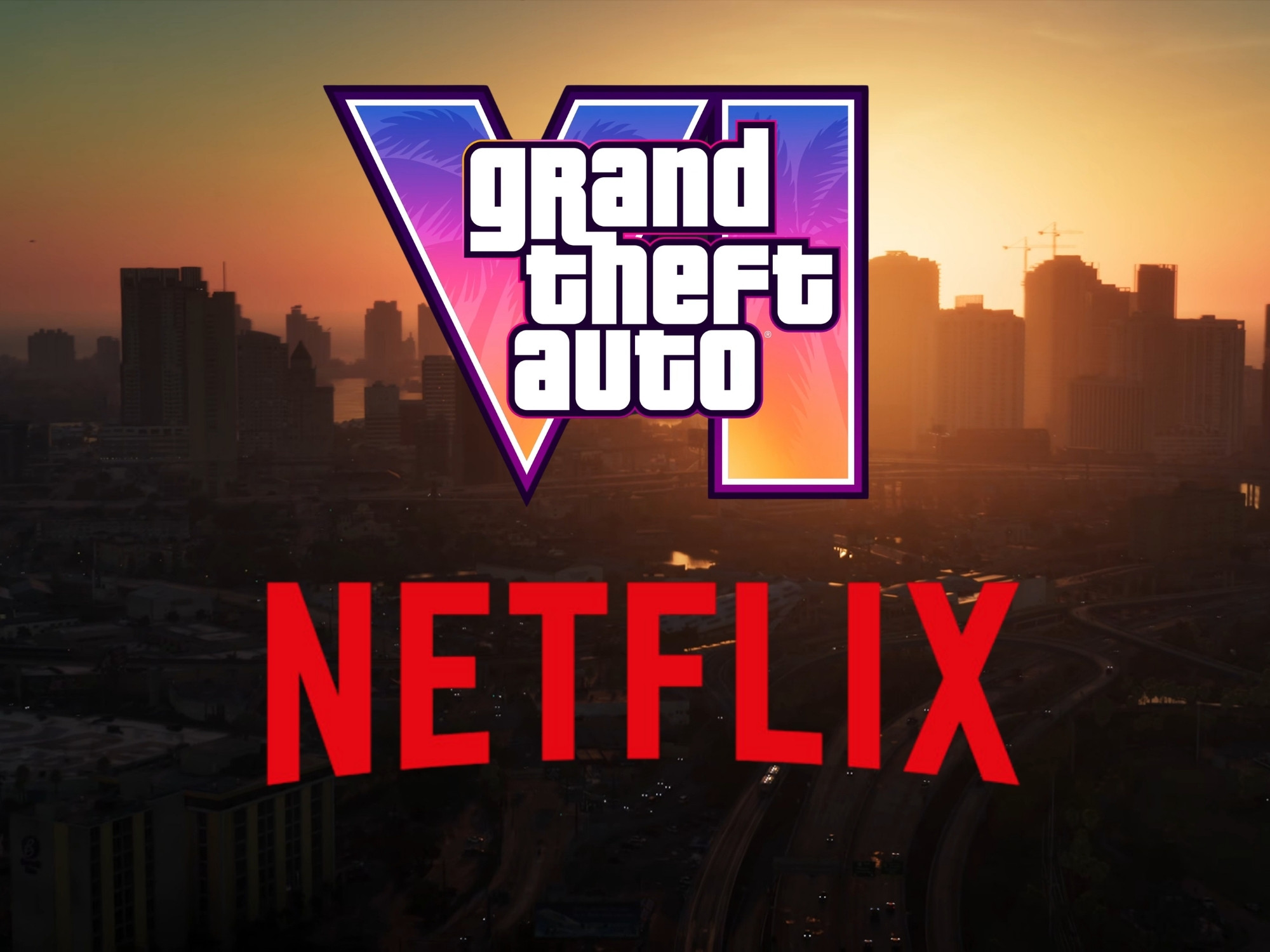
The six-hour lockup that changed everything
Rockstar made a decision that would have been unthinkable five years ago. On August 27, it held its most important trailer for the year exclusively on Netflix for six hours before making it available elsewhere. The result was not merely a marketing win — it was a proof of concept for an entirely new entertainment ecosystem.
Pre-orders for Grand Theft Auto VI jumped 436% the day after the Extended Look dropped, then accelerated to 572% above the thirty-day average by August 28, according to Sensor Tower. That is not a bump. That is a structural shock to how blockbuster games find audiences.
Who wins, who loses, and who wakes up sweating
The winners are obvious on the surface. Rockstar’s momentum continues unbroken. Take-Two CEO Strauss Zelnick called the pre-orders “exceptional” — a word that carries enormous weight when the company has already counted 4.55 million reservations before the Netflix event even aired. Netflix rode the coattails too: its app climbed to 35th on Apple’s App Store, up sixty-one places in twenty-four hours, while the GTA 6 Extended Look itself hit number one on its top ten movies list.
But the more interesting story is in the margins. A streaming service just proved it can move physical hardware sales and digital pre-orders in the same window. For the first time, Netflix is not competing with game publishers for attention — it is amplifying them. The financial terms of the deal remain undisclosed, but the leverage shift is clear: Rockstar brought the IP, and Netflix brought the distribution engine that turned a trailer into a cultural moment. Both walked away richer.
The loser, in the short term, is anyone who still believes influencer campaigns and traditional reveal events carry the same gravitational pull. No amount of Twitch streamer coverage or YouTube commentary can replicate the concentrated viewership that a Netflix launch generates overnight. The platform delivered millions of eyes simultaneously, and that scarcity of attention — once the domain of Super Bowl ads and E3 stages — now lives on streaming.
The console split tells a different story
The data that emerged from the Netflix drop also clarified the ongoing console war in blunt terms. Since Sensor Tower began tracking reservations on June 24, PlayStation 5 copies have held a steady lead. The numbers after the Extended Look widened that gap dramatically: PS5 sales surged 606% on August 27, while Xbox registered a comparatively modest 127% increase.
That divergence is not accidental. It reflects the demographic overlap between Netflix’s core subscriber base and Sony’s install base. A significant portion of the subscribers who tuned into the trailer already own a PS5 and are positioned to convert immediately. Xbox players, while enthusiastic, represent a smaller slice of that streaming-native audience. The takeaway for hardware marketers is uncomfortable: in 2025, your console’s fate may be increasingly tied to where the cultural moments happen, not just raw specs or exclusivity lineups.
The 30 frames-per-second compromise that did not slow anyone down
Perhaps the most telling detail is that the base PS5 footage shown during the Extended Look appears limited to 30 fps. That specification would have triggered panic and backlash in previous generations — gaming forums would have filled with debates about performance modes, backward compatibility, and whether Rockstar had lost its polish. Instead, it barely registered.
Demand is so high that even compromised visuals do not deter buyers. Holdouts who have waited since the second trailer in May 2025 pre-ordered without hesitation. This suggests something about the current generational cycle: the next GTA is not just another game release. It has achieved a cultural status that transcends technical scrutiny. The audience is buying a moment, not a benchmark.
That observation matters because it upends conventional forecasting models. Industry analysts have long assumed that visual fidelity, frame rate, and hardware capability are leading indicators of commercial performance. The Netflix data implies those factors have receded relative to cultural momentum. For publishers, this means marketing budget allocations need to shift — away from technical showcase events and toward platforms that generate simultaneous global viewership.
What this means for the rest of the industry
The implications extend far beyond Rockstar and Netflix. Every major publisher is now watching to see whether this model is replicable. EA, Activision Blizzard, Ubisoft, and Square Enix all sit on franchises with built-in audiences that have, until now, depended on traditional reveal cycles. The question on every CMO’s desk is whether a strategic partnership with a streaming platform could deliver even a fraction of the 436% lift that GTA 6 experienced.
The answer is probably no — at least not for now. GTA 6 benefits from a decade-plus of anticipation and a brand that operates above market norms. But the template is visible. Streaming services hungry for content that drives engagement and subscriptions now have a playbook that proves they can directly influence software sales. Game publishers who ignore that channel risk ceding relevance to competitors who do not.
Conversely, Netflix and its rivals face a strategic choice. Do they continue chasing scripted content as the sole driver of subscriber value, or do they invest more aggressively in interactive and gaming-adjacent partnerships? The GTA 6 case suggests the latter could yield outsized returns — both in subscription metrics and in cultural influence. The app ranking spike to 35th on the App Store is a small number compared to total Netflix downloads, but it proves the behavior is repeatable: a single trailer can drive app installs at scale.
The six-hour window that redefined exclusivity
Rockstar’s decision to gate the Extended Look for six hours was controversial. Critics accused the publisher of prioritizing a streaming partnership over fan accessibility. The sales data renders that criticism irrelevant. In six hours, Rockstar moved more pre-orders than many entire launch windows achieve. The controversy itself generated free press coverage that amplified the moment further.
This is the new arithmetic of exclusivity. It is no longer about locking content away to drive platform subscriptions in isolation. It is about using a limited-time window to concentrate attention, generate urgency, and convert passive viewers into paying customers. The mechanism mirrors how streaming services treat film releases — a timed exclusive that rewards loyalty and punishes patience — but applied to a product that costs $70 and ships in November.
Where this goes next
The November release date for GTA 6 is now almost secondary. The pre-order engine is running hot, the cultural conversation is locked in, and Take-Two has every incentive to stretch the momentum as far as possible. What comes after launch — online modes, community events, potential cross-platform tie-ins — will determine whether this becomes a sustainable model or a one-off phenomenon.
For the broader industry, the lesson is immediate and unambiguous. Streaming platforms are no longer peripheral to game launches. They are central. Any publisher that continues to treat marketing as a series of press junkets, influencer send-outs, and social media bursts is operating on last generation’s logic. The audience that matters most is already on Netflix. The question is whether the industry is ready to follow it there.