How One Salad Chain Triggered America's Worst Cyclospora Outbreak
A Taylor Farms lettuce recall has exploded into the worst cyclospora outbreak in U.S. history—17,180 cases across 48 states. What it reveals about America's fragile produce supply chain.
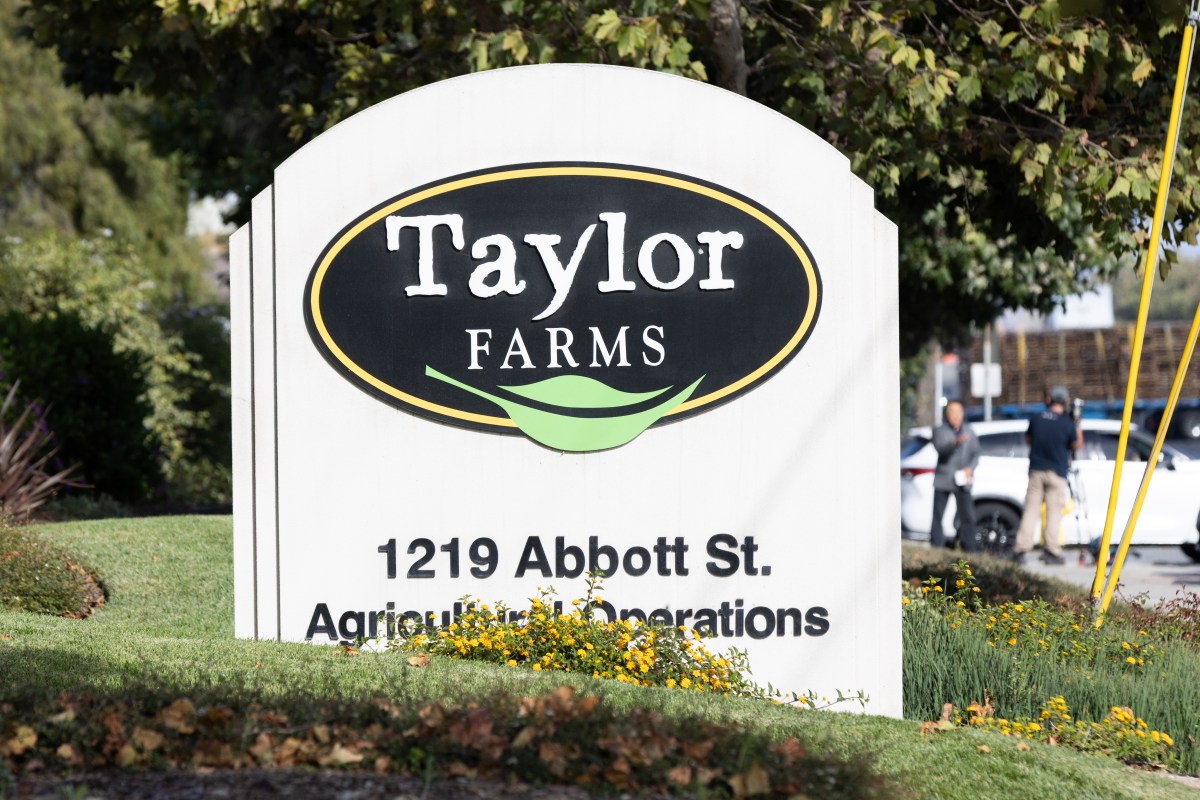
The Lettuce That Spread Nationwide
The connection between a Taco Bell salad and an outbreak stretching across 48 states should not be surprising to anyone who has looked at how American produce moves. But the scale of this crisis makes the structural problem impossible to ignore.
The CDC reports 17,180 laboratory-confirmed cases of cyclosporiasis since May 1—nearly fifteen times the cases reported in the same window last year. That is the worst year on record for this parasite in the United States. Ninety-two-two people were hospitalized. Two died. Michigan recorded the first fatalities earlier in August.
The FDA placed the Taylor Farms recall at Class 1, the agency’s highest alert level, meaning exposure to the product could cause serious health consequences or death. Twenty states have confirmed cases. Three more—Georgia, Tennessee, and Texas—joined the list on Thursday. Shredded iceberg lettuce from central Mexico was distributed through July 16 to twenty-seven states, with “best by” dates running as late as August 3.
That distribution radius is the point.
A Single Source, A Fractured System
Cyclospora is a microscopic parasite that infects produce through contact with contaminated water—usually irrigation or washing water tainted with human feces. It thrives in warm weather, which is why outbreaks cluster in late spring and summer. The symptoms are brutal: explosive diarrhea, cramping, fatigue. Without treatment, the illness can linger for a month or more and return after apparent recovery. Diagnosis itself is difficult because standard stool cultures do not detect it; specialized testing is required, and many patients never get tested because they recover at home without seeking care.
The true infection count is almost certainly higher than 17,180. The CDC acknowledges probable and unconfirmed cases that may still be under investigation. For every lab-confirmed case, there are likely several more that never entered the system.
The outbreak traced back to one supplier. Taylor Farms, a California-based produce giant, sourced the contaminated lettuce from its central Mexico facility. The company suspended all iceberg lettuce production from that region on July 18 and commissioned an independent safety review. It says no positive cyclospora test results have come back from product testing as of August 13. All affected lettuce, according to the company, is off the market.
Taco Bell removed the ingredient from its restaurants and supply chain on July 17.
The speed of the response was adequate. The structure that allowed a single farm’s contaminated crop to reach shelves across nearly the entire country is what is not.
Who Carries the Cost
The immediate financial hit falls on Taylor Farms. Its brand is now synonymous with a public health emergency. The company faces lawsuits, lost contracts, and a reputational stain that will take years to shed. Its voluntary suspension of all iceberg lettuce sourcing from central Mexico—which accounts for a significant share of U.S. winter and spring lettuce—will ripple through grocery stores and food service operations that depend on a steady supply from that region.
Taco Bell absorbed a smaller blow. The chain’s swift removal of the ingredient limited exposure, and the fast-food model means customers move on quickly. But the association between Taco Bell and cyclospora will not fade fast.
The broader cost lands on consumers and the public health system. Hospitals treated nearly a thousand patients. State and federal health departments expended resources tracking a pathogen that most clinicians are not routinely trained to identify. The diagnosis gap is real: doctors order standard stool tests, they come back negative, and patients go untreated while remaining infectious.
What This Outbreak Exposes
America’s fresh produce supply is centralized in ways that make containment nearly impossible once contamination occurs. A handful of companies source, process, and distribute lettuce to the entire country. Taylor Farms shipped to twenty-seven states in this recall. The CDC linked cases to twenty. When a single facility in central Mexico becomes a contamination point, there is no regional alternative that can absorb the shock.
The geographic concentration is not accidental. Winter lettuce in the United States flows heavily from Mexico’s central highlands, where labor is cheaper and growing seasons align with domestic demand. That arrangement creates efficiency but also fragility. One facility, one water source, one lapse in sanitation— and the contagion moves through a network designed for speed, not resilience.
The FDA’s inspection of the Mexican facility continues in cooperation with Mexican authorities. Whether those inspections will prevent the next outbreak is unclear. Cyclospora contamination is not visible, does not alter taste, and requires specialized testing to detect. Routine sampling will miss it unless targeted.
What Comes Next
This outbreak will change something. The question is what.
Expect tighter FDA scrutiny of imported lettuce operations. Expect retailers and restaurants to demand more rigorous testing from suppliers, which will raise costs and slow distribution. Expect consumers to lose trust in pre-shredded salad products, particularly those from the central Mexico growing region.
But structural change is unlikely to be dramatic. The economics of cheap, fresh lettuce year-round depend on the same centralized supply chain that enabled this outbreak. Consumers want salads in February. Suppliers will continue to ship from Mexico. The risk is priced in.
For individuals, the practical takeaway is straightforward: wash leafy greens thoroughly if you buy them loose, avoid pre-shredded products from affected suppliers if you can, and seek medical testing if you develop persistent gastrointestinal symptoms after eating lettuce in the spring and summer months. Standard stool tests will not catch cyclospora—ask for specific parasite testing if your symptoms persist.
The 17,180 confirmed cases are a number. The real cost is a system that can deliver contaminated lettuce to twenty-seven states before anyone knows it is contaminated, and then spends months counting the damage.