Japan's Beer Cartel Probe Signals Antitrust Shift
Japan's fair trade watchdog is forcing its way into the beer industry's most sacred pricing conventions — a move that could reshape decades of tacit collusion and signal a new era of antitrust enforcement in corporate Japan.
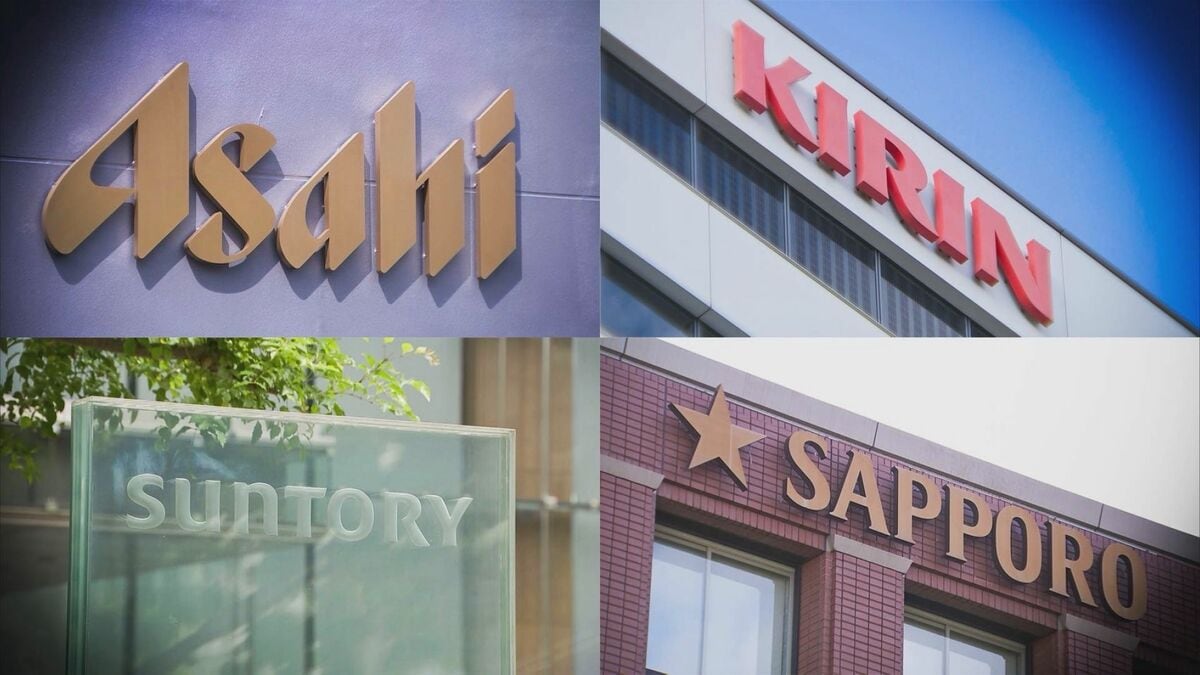
The Price of a Pint Is a Price on Collusion
The four giants of Japanese beer — Asahi, Kirin, Sapporo, and Suntory — have long shared something beyond market dominance. They have shared a discipline around pricing that most American or European competitors would find almost unthinkable: they do not fight each other on price.
That discipline has held for decades through informal understandings, not formal agreements. It has been open secret enough that nobody needed to put it in writing. Now the Japan Fair Trade Commission is treating it like a crime.
On October 7, 2026, the commission announced it had launched a forced investigation into the four major brewers under the Anti-Monopoly Law, suspecting they coordinated wholesale prices for beer sold to distributors. Criminal prosecution is being considered. The four companies responded by saying they would fully cooperate with the investigation — a statement that in Japanese corporate culture is both a sign of compliance and a subtle hedge, because full cooperation does not mean the allegations are false.
What makes this story matter extends far beyond the beer aisle.
Why This Hits Different in Japan
Cartels are not unknown in Japan. The economy’s industrial history is threaded with them — steel, cement, shipping, even construction materials have all been subjects of JFTC actions over the decades. What is unusual here is the target and the tone.
Japanese beer pricing has operated on a model of mutual restraint. When one company raised its wholesale price, the others followed. When costs crept up, no one cut prices to gain share. The result was stable margins across the industry and, for consumers, a stubbornly high floor on the price of a can or a bottle.
This is not an aggressive cartel in the classic sense — no hidden meetings, no coded language, no shadowy exchanges. It is cartel behavior baked into corporate etiquette. That is precisely what makes it hard to regulate and why the JFTC’s decision to pursue it aggressively is notable.
The commission has been increasing enforcement activity under its current leadership, but hitting the beer giants — companies that employ tens of thousands across Japan and contribute significantly to agriculture and rural economies through barley purchasing — signals that political cover no longer protects even the most culturally embedded practices.
Who Wins, Who Loses
Consumers win the most obvious way. Even a modest reduction in coordinated pricing discipline would lower wholesale costs, which should eventually flow to retail. A can of beer in Japan already sits at a premium compared to regional peers — roughly 200 to 300 yen per can in convenience stores, depending on the brand and region. Any competitive pressure on that number is a direct transfer from corporate margins to household budgets.
Smaller brewers stand to benefit most structurally. Asahi, Kirin, Sapporo, and Suntory together command well over 80 percent of the Japanese beer market. The so-called hop-and-malt drinkers — brands built around the growing consumer shift away from traditional beer — are largely produced by these four. If the pricing floor cracks, newcomers and regional craft breweries gain room to compete on price rather than being forced to match industry-wide levels they helped set through silence.
The four incumbents lose on two fronts. First, there is the direct financial exposure: any confirmed cartel violation carries fines that scale with sales revenue, and in Japan’s beer market, those figures are enormous. Second, and perhaps more damaging, is the precedent. If the JFTC can pierce the veil of tacit coordination in beer, it can do so in other sectors where price discipline has similarly gone unchallenged.
What Happens Next
The JFTC’s investigation is forced, which means it can compel document production and testimony — a power it does not use lightly. Companies being investigated typically face a grace period to produce evidence before the commission moves to formal accusations. The question is whether the commission will find enough documentary proof to move from suspicion to indictment, or whether the informal nature of Japanese pricing coordination will place it beyond what the Anti-Monopoly Law can practically prosecute.
Criminal referral is the stick the commission is holding up. While civil penalties are the JFTC’s normal hammer, criminal prosecution of corporate officials for cartel behavior remains rare in Japan — fewer than a handful of cases have proceeded to conviction in recent decades. That makes the threat meaningful precisely because it is unusual. A single high-profile prosecution could reset expectations across every industry that has ever relied on tacit price alignment.
The four companies’ statement of full cooperation is their first tactical move. In practice, it likely means they will produce whatever documents exist and avoid obstruction charges, while making clear through omission that no smoking gun — emails, meeting notes, recorded calls — exists to prove deliberate coordination. That is a defensible position if the coordination was truly informal, but it leaves the commission to infer intent from parallel pricing behavior, which is legally harder to sustain.
The Bigger Signal
This investigation arrives at a moment when Japan’s postwar corporate settlement is under stress. Wage growth has finally begun to outpace inflation after decades of stagnation. The yen has weakened significantly, pushing up import costs. Consumers are paying more for everything, and the political tolerance for industries that maintain high prices through coordination rather than competition is thinner than it has been in a generation.
The JFTC is also operating in a more public environment than ever. Social media amplifies every antitrust action, and Japanese consumers are increasingly vocal about prices they consider unfair. A brewery that is seen as protecting cartel profits while households struggle with cost of living pressures is a brewery with a reputational time bomb.
If the commission follows through with penalties — and there is no guarantee it will — the Japanese beer market will look different within five years. Price competition that was unthinkable a decade ago could become routine. Market share could shift toward smaller players who were previously priced out. And the broader message to Japanese industry will be clear: the era of quiet coordination has an expiration date, and it may be earlier than anyone expected.
The four brewers may still be the four brewers. But the rules that kept them comfortably apart from each other are no longer guaranteed.