Japan HKE Again, Yen Weakens — What It Means for Korea's Rate Trail
The BOJ's second rate hike in three months pushed the yen to 157 against the dollar, even as two committee members dissented. For Korea, the move reinforces the case for staying patient on cuts.
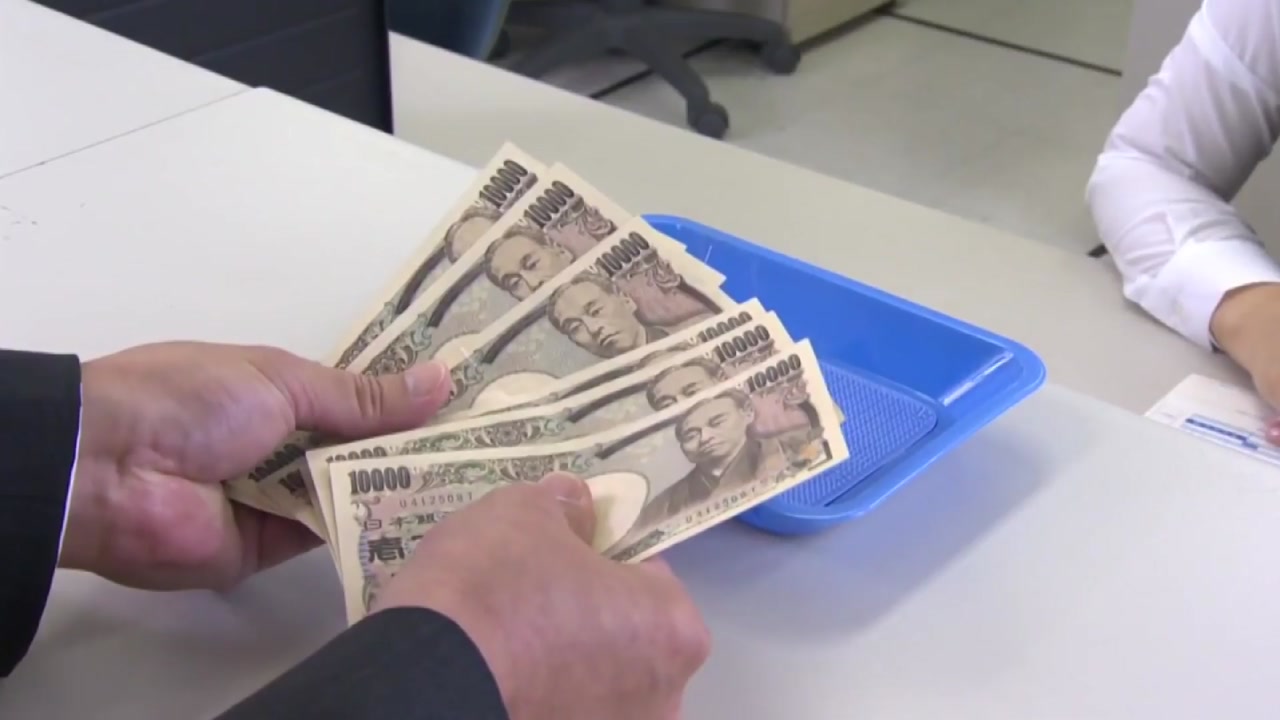
The yen gave nothing away, even as rates rose
The Bank of Japan delivered exactly what markets expected. It raised the benchmark rate by 25 basis points to 1.25 percent on Wednesday, the second increase in as many months and the fastest pace of tightening since Governor Kazuo Ueda took the helm. By all surface-level logic, higher rates should attract capital and strengthen a currency. This is textbook monetary economics — when yields go up, foreign investors move their money in, demand for the currency rises, and exchange rates appreciate.
The yen did the opposite.
Within minutes of the announcement, the dollar climbed to around 157 yen — the weakest level in roughly two weeks. The market read two things into the dissent: nine BOJ committee members voted, and two — both appointed by Prime Minister Sanae Takaichi’s administration — broke ranks, arguing that the economy and price data do not yet justify another hike. What makes this scenario particularly striking is that the BOJ had spent months preparing markets for this exact outcome, yet the moment of truth revealed a disconnect between what the central bank intended and how traders actually positioned themselves.
That dissent mattered more than the rate move itself. Traders saw a central bank that intends to keep going, but is also clearly feeling political pressure to walk slowly. This tension between mandate and reality has become the defining feature of Ueda’s tenure — a governor caught between economic logic and the political forces pulling him in opposite directions.
Why the yen stayed weak
Ueda signaled continuation. He said the BOJ would continue raising the policy rate as economic and price conditions allow, adjusting the degree of monetary accommodation as needed. But he stopped short of committing to a timeline, pointing instead to external variables: Middle East tensions, oil prices, and yen volatility. He framed the decision as data-dependent in the traditional central-bank language, but the data he cited were precisely the variables he had spent months preparing markets to accept.
That hedging is the story. The BOJ is caught between two forces. On one side, Japan’s “core inflation” is approaching the 2 percent target, driven largely by persistent food-price increases that have been running for 18 straight months. On the other, the combination of a weaker yen and elevated global oil prices is inflating import costs — precisely the kind of imported inflation that makes a central bank nervous about tightening too aggressively. Higher rates were priced in. The yen drop suggests the market believes the BOJ’s next move will be cautious, not forceful. When the next increase comes — and Ueda made clear it will — it likely arrives with more commentary about monitoring data than with conviction.
The Korea connection most readers miss
Korea and Japan are moving on parallel but opposite trajectories, and the yen’s behavior is the invisible force shaping Seoul’s options. This dynamic matters more than the headline rate move because the yen’s weakness creates second-order effects that ripple through regional capital flows.
South Korea’s central bank has already delivered a hawkish pivot, lifting rates within a three-month window. The BOJ’s fresh increase changes the calculus for how long the Bank of Korea can afford to cut. Consider the yield gap. When the BOJ sits at 1.25 percent and the BOK is higher, the spread supports the won. When the BOK eventually cuts and the BOJ continues to rise, that spread compresses quickly — and the yen, already trading at 157, becomes a vehicle for speculative pressure against the Korean currency. This compression happens faster than the surface numbers suggest because the BOJ’s cautious climb gives them a template for how Asian central banks can normalize without triggering a regional currency war.
FX desks in Seoul are watching this dynamic closely. A weaker yen does not automatically mean a stronger won, but it does mean that any premature easing by the BOK could trigger outsized capital outflows. The BOJ is moving one step at a time. Korea cannot afford to move two steps backward. When the spread compresses, the Korean exporters lose margin visibility because a yen near 157 makes Japanese goods cheaper in global markets and adds pressure on Korean rivals in third-country markets. The won’s strength becomes harder to maintain if the BOK cuts while the BOJ hikes.
Who wins and who loses
The BOJ wins credibility by confirming a steady path without overcommitting. Ueda has avoided the trap that earlier governors fell into — announcing timelines that reality then forced him to revise. This time, he signaled continuation while stopping short of committing to a calendar, a pattern that has become the hallmark of his tenure. The Japanese government feels the squeeze. The two dissenting votes, cast by Takaichi appointees, are a signal that the ruling coalition wants slower tightening. Takaichi’s administration is navigating high energy costs and still-fragile wage growth. A faster yen rebound would help consumers but choke off the domestic recovery.
Korean exporters lose margin visibility. A yen near 157 makes Japanese goods cheaper in global markets and adds pressure on Korean rivals in third-country markets. The won’s strength becomes harder to maintain if the BOK cuts while the BOJ hikes. Emerging-market FX traders gain direction. The BOJ’s cautious climb gives them a template for how Asian central banks can normalize without triggering a regional currency war. That template, however, is fragile. One unexpected shift in oil prices or Middle East policy could reorder the board.
What happens next
The BOJ’s next meeting is the obvious focal point. Ueda will likely repeat his data-dependent language and avoid giving traders a calendar to bet against. If oil prices hold at current levels and Japan’s wage negotiations deliver another round of gains, a third consecutive 25-basis-point hike in early 2026 becomes plausible. The key question is whether the BOJ will maintain its current pace or accelerate as economic and price conditions allow.
For Korea, the message is quieter but sharper: patience is not neutrality. Holding rates higher while the BOJ moves is not a sign of stubbornness — it is a defensive posture against yen-driven volatility. Markets that cut prematurely in this environment do so at the expense of currency stability, and in East Asia, currency stability is never a luxury. The yen will remain the region’s emotional barometer. Watch it closely. When it breaks decisively below 150 or above 165, both Seoul and Tokyo will feel it first. That moment, when it comes — and it will — will test whether the BOK can afford to cut while the BOJ continues to rise. The spread, already compressed at 157, will either narrow further or widen, depending on how each central bank navigates the political pressure to walk slowly. One thing is clear: the yen gave nothing away, even as rates rose. And that tells us everything we need to know about where Asia’s currency markets are heading.