Kojima's Xbox Pivot Proves the New Power Balance in Gaming
Sony walked away from Physint. Xbox stepped in. Hideo Kojima's response reveals a fundamental shift: star directors no longer need legacy publishers to survive — and publishers know it.
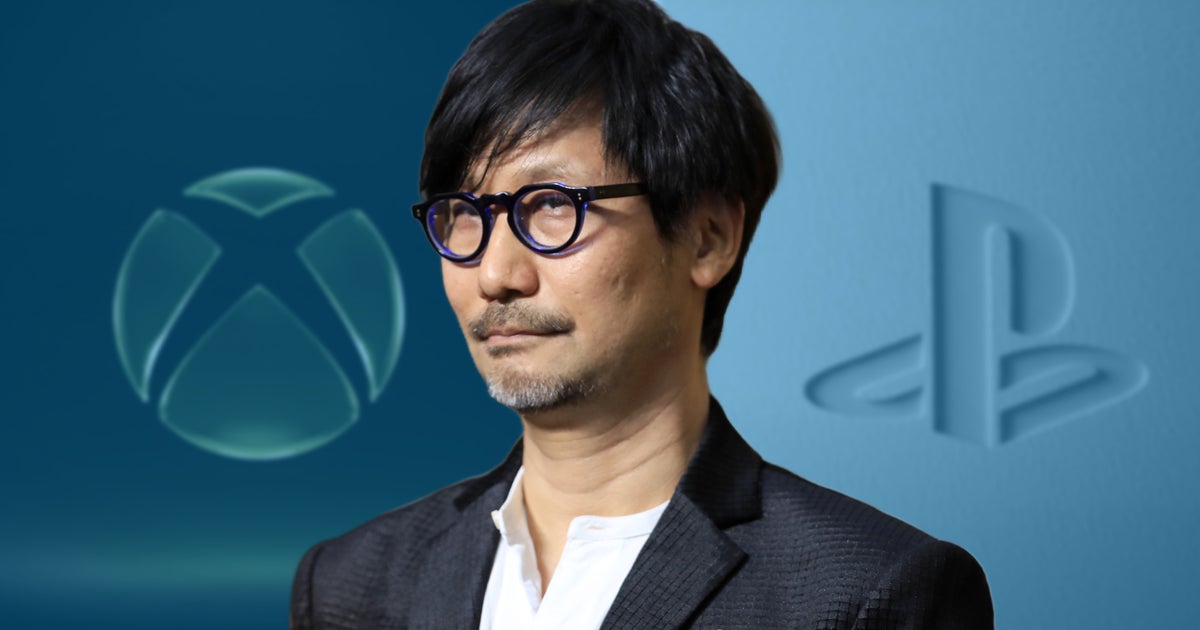
The Meeting That Was Hard to Recall
Hideo Kojima told IGN he barely remembers the phone call that cost him his longest-running partnership. Sony had been his platform home for roughly thirty years. He was close with Ken Kutaragi, with Jim Ryan’s predecessor Shuhei Yoshida’s predecessors, with the people who built the PlayStation business around his creative ambitions. Then Sony told him they could no longer fund Physint.
“I don’t remember so much of that meeting, to be honest with you,” Kojima said. His colleagues probably don’t either. The shock, it seems, was total. When someone cuts a check for the scale of a Kojima production, the conversation doesn’t unfold like a normal business discussion — it rewrites the terms of a decades-long relationship in a single call.
What Kojima does remember clearly is worse: the realization that his studio — celebrating its tenth anniversary that year — might collapse. Not because the game was failing. Not because the team was faltering. But because the money evaporated overnight from a partner he assumed was permanent. That assumption, it turns out, was the most expensive mistake in his career — not financially, but emotionally. The trust he placed in institutional loyalty had cost him sleep.
How Quickly the Ground Shifted
Xbox moved in fast. Kojima had an existing relationship through Death Stranding Director’s Cut, which shipped on Xbox consoles and demonstrated that the studio’s audience wasn’t locked to a single platform. He pitched Physint directly. Their response, according to Kojima, was immediate enthusiasm — “This pitch was fantastic. Never seen a pitch like this!”
An Xbox spokesperson later called the decision straightforward: “Betting on Kojima-san is an easy call.” But the ease of that statement conceals a calculated risk. Xbox is acquiring a project mid-stream, without the benefit of early development insight, and paying a premium for a director whose last original IP, before Death Stranding, was nearly a decade old. The math only works if the Kojima brand itself carries enough market gravity to offset the uncertainty.
The logistics of that pivot matter less than the speed. Kojima Productions didn’t shutter. Didn’t lay off staff. Didn’t scramble publicly. Within days, a new publisher was in place and the project was breathing again. The studio’s statement — carefully distanced from Kojima’s own emotional framing — insisted the company remained “healthy, profitable” and that the Sony relationship “remains strong” despite everything.
That dual messaging is telling. Kojima expressed warmth. The studio projected steel. Both strategies were necessary — warmth keeps the creative community anchored; steel signals to other publishers that the studio isn’t desperate, even when it clearly was.
What Bloomberg Got Wrong and Right
A Bloomberg report preceded Kojima’s interview, claiming Sony stepped away over concerns about budget, profitability, and exclusivity. Kojima Productions pushed back hard, calling those claims “unsubstantiated speculation” and warning readers to take them “with a dose of skepticism.”
The studio was right to be defensive — the article touched on dead employees, commercial performance anxieties, and internal planning failures. But Bloomberg also captured something true that Kojima couldn’t fully contradict: the industry is in contraction. Studio closures, layoffs, and risk aversion are the dominant narratives of 2025. Sony isn’t hiding that context. Kojima acknowledged it directly when he said he understands “it’s a tough time in the game industry.”
The uncomfortable implication is that Sony’s withdrawal may have been less about Physint specifically and more about portfolio triage. When every AAA line item faces scrutiny, even a Kojima project becomes negotiable. This isn’t malice — it’s mathematics. Sony has roughly twenty first-party studios and an ever-widening gap between development costs and revenue per unit. Every project that doesn’t clear a high bar gets cut, renamed, or deferred. Physint fell into that category, and the fact that it carried Kojima’s name doesn’t change the arithmetic.
The Auteur Has Leverage — Until She Doesn’t
The bigger story here isn’t personal. It’s structural.
For decades, the assumption in gaming was simple: big-budget exclusives require platform backing. A director of Kojima’s stature still needed Sony’s publishing infrastructure — marketing muscle, certification, QA networks, relationship capital with retail and digital storefronts. The director was brilliant but dependent.
Physint’s trajectory suggests that dependency is dissolving. Kojima Productions has spent ten years building an identity outside pure platform subservience. Death Stranding proved the studio could ship a commercially viable AAA title without owning the platform it ran on. OD gave them another anchor. Together, those projects create enough gravitational pull that a publisher like Xbox — hungry for differentiated IP in a crowded market — treats them as a strategic bet, not a favor.
This flips the old model. Instead of a director lobbying a platform holder for resources, the platform holder competes for the director’s attention. That inversion only works when the director has alternatives. Kojima has them now. Most directors don’t. The vast majority of AAA studios lack the brand equity to force a bidding war. They depend on their platform relationship the way their predecessors depended on exclusivity deals that locked them in for generations. Kojima’s leverage is real but narrow — it applies to a handful of names in the entire industry.
Second-Order Effects: What This Unlocks and What It Burdens
The ripple effects of this pivot will extend well beyond Physint. For one, smaller auteur-driven studios will watch this transaction and recalibrate their own risk assessments. The assumption that “my publisher has my back” is now demonstrably false at the highest level — which means mid-tier studios with less brand protection should start negotiating exit clauses, co-publishing safeguards, and milestone protections they previously considered unnecessary.
Platform holders will respond in kind. Xbox’s willingness to step in so aggressively signals that they see third-party auteur partnerships as a legitimate growth vector — one that doesn’t require building a studio from scratch. Expect more outreach to independent directors with proven IPs, particularly those mid-production and looking for stability. This could create a new market segment: mid-development publisher brokerage, where directors can shop unfinished projects to competing platforms without committing to a long-term affiliation.
But there’s a darker outcome too. If Kojima can negotiate from strength, what happens when the next high-profile director faces the same scenario? Not every studio has Death Stranding’s cultural footprint or OD’s momentum. The ones that don’t will feel the contraction harder. Platform holders, sensing that even their biggest names can leave, may tighten contracts, demand revenue shares, or insist on IP co-ownership provisions that limit director autonomy. The Kojima exception could become the rule that proves the exception — a reminder that leverage is earned, not granted.
Who Wins. Who Loses. What Comes Next.
Xbox wins credibility. Landing a Kojima title — especially one positioned as a major multiplatform launch alongside OD — gives Microsoft a narrative hook in a console market where hardware sales aren’t winning arguments on their own. It signals that first-party exclusivity isn’t the only path to relevance. There’s a middle ground: strategic third-party partnership, where a platform owner bets on a creator rather than building a factory. That’s a cheaper, faster way to generate cultural moment than nurturing a studio for eight years.
Kojima Productions wins autonomy. The studio enters its second decade proven capable of surviving a publisher departure mid-development. That survivability becomes a negotiating asset for every project that follows. Future publishers will know they’re not the only option — and they’ll price that knowledge into their offers.
Sony loses… nothing immediate, but something abstract. The idea that a thirty-year relationship with a creative partner is durable. The illusion that proximity guarantees loyalty. Those are soft losses but they compound. Every time a major director walks away from Sony, the narrative erodes a little more. The PlayStation brand has always sold itself on creative partnership — that story just got thinner.
Other developers lose visibility. The studios without a Kojima-level brand, without a proven AAA track record or a director who can walk into a pitch meeting and hear “never seen a pitch like this” — they face the same budget scrutiny without the same exit options. Platform consolidation hurts them first. They’ll bear the cost of an industry that now knows even its most trusted partners can be replaced.
The timeline ahead is what matters. Physint’s release window remains unclear. OD’s Xbox launch will test whether the new partnership delivers. But the template is already set: auteur-driven studios with portfolio momentum can now treat platform relationships as conditional rather than foundational. That changes the calculus for everyone who isn’t Kojima.
Kojima said he still loves Sony. That’s true. But love isn’t a publishing contract, and the industry has learned that the hard way. The question now isn’t whether other directors will follow his path — it’s whether they can afford to try.