Korea's AI Boom Is Buying Real Estate, Not Homes
Korea's AI and semiconductor windfall is flowing straight into Seoul housing, deepening generational inequality and cornering a government that can't let prices fall without also letting them surge. Other AI boom economies should be watching closely.
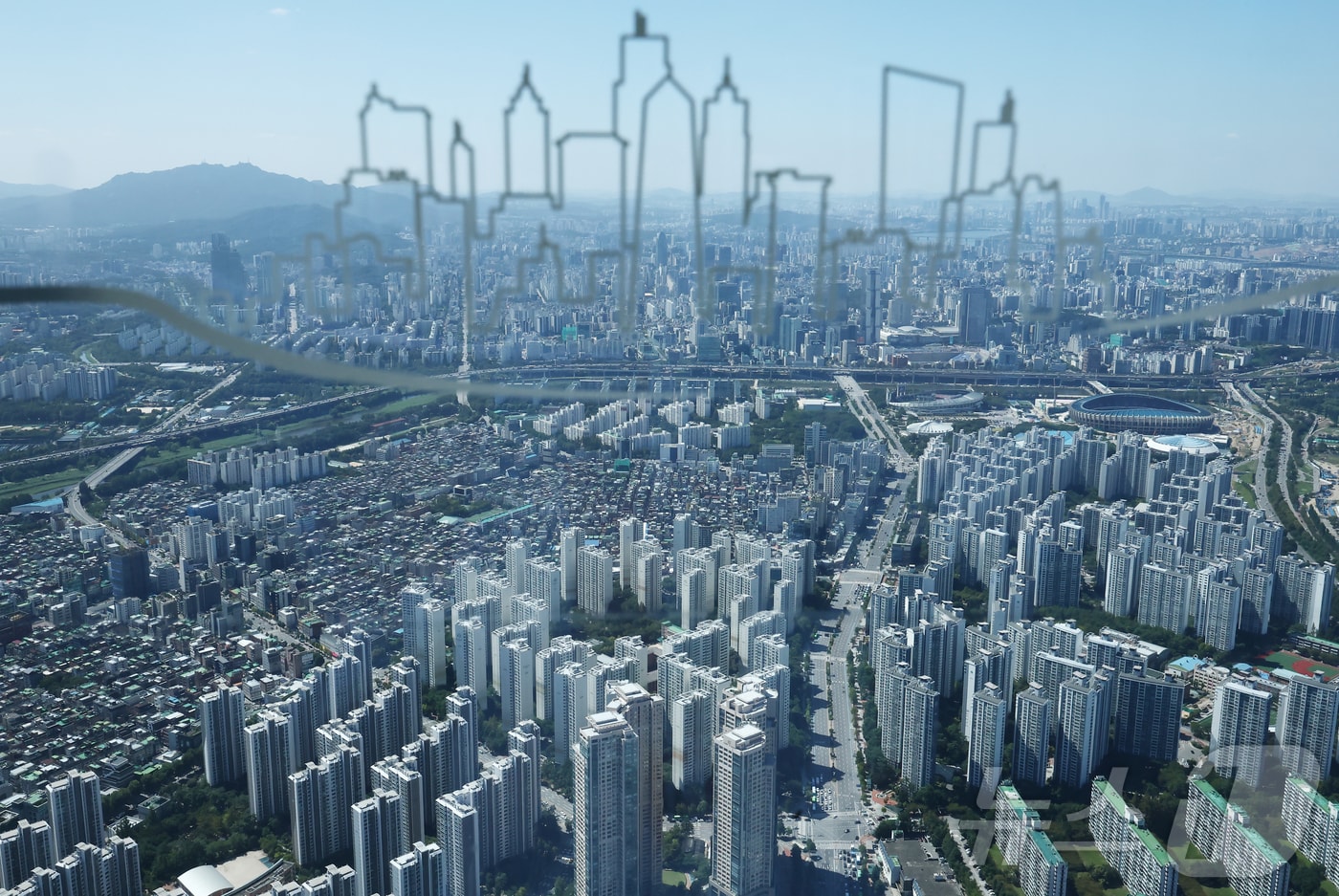
The Wealth From AI Isn’t Fueling Startups — It’s Buying Apartments
The Artificial Intelligence boom is generating enormous wealth in South Korea, but it isn’t going where you might expect. Instead of funding new ventures or driving productive investment, a growing share of that money is flowing into Seoul apartment buildings, pushing already-stratospheric prices higher and tightening the noose around young Koreans who want nothing more than a place to live.
That is the diagnosis the Financial Times delivered last week, and it carries a warning that extends well beyond Korea’s borders. Any economy riding the AI wave should ask itself what happens when the gains concentrate in one sector and the only place that wealth can park is real estate.
Samsung Electronics and SK Hynix, Korea’s two semiconductor titans, have seen their workers’ asset values swell alongside stock prices. The AI boom has made those shares feel like golden tickets. And in Korea, where housing has long been the primary vehicle for household wealth, the natural move is clear: sell the paper gains or borrow against them, then bid up property in the capital.
A President Calls It a Ticking Bomb
President Lee Jae-myung has publicly described the Korean housing market as a ticking time bomb. That’s not rhetorical flair — it reflects a genuine structural danger. The FT cited his assessment while laying out how AI-driven wealth is amplifying a crisis that predates the chip boom but now moves faster than policy can respond.
The problem is triple-layered. First, housing prices in the Seoul metropolitan area have climbed for years on momentum, speculation, and chronic supply constraints. Second, the AI and semiconductor windfall has injected fresh demand from an unexpected direction: workers in industries that had nothing to do with real estate. Third, the government finds itself trapped between two disasters.
If it lets prices rise unchecked, young Koreans are priced out entirely and the birth rate — already the lowest in the world — takes another hit. If it crushes prices, millions of existing homeowners see their life savings evaporate and the political fallout becomes immediate. There is no clean exit.
The Loan Paradox
One of the more perverse dynamics the FT highlighted is how regulatory responses have backfired. The government has tightened mortgage lending rules to cool the market. The intention was to curb speculative buying. The result, according to Myungji University professor Shin Yul, is that genuine first-time buyers — particularly young people — have been squeezed out along with the speculators.
“How can anyone buy a home without a loan?” Shin asked. The answer, bluntly, is that they can’t. The regulations designed to protect the market have effectively declared war on the very generation the government claims it wants to help.
This is a familiar pattern in emerging housing crises worldwide: well-meaning restrictions that end up penalizing the most vulnerable participants rather than the whales. In Korea’s case, the whale class includes AI-sector employees whose compensation packages now read more like venture payouts than salaries.
The Politics of a Locked Door
Housing is not just an economic issue in Korea — it is the central fault line of its politics. The FT noted that progressive governments have repeatedly stumbled on real estate. The Democratic Party’s crushing defeat in the 2022 presidential election was driven largely by rage over Seoul housing prices. Lee Jae-myung’s own administration is now seeing the same dynamics play out, only amplified by the AI factor.
His approval rating has dropped to 40 percent nationally and to a dismal 25 percent among voters in their twenties. Professor Shin identified housing as the single largest driver of that erosion. The message is unmistakable: when a government cannot deliver a roof over young people’s heads, every other policy achievement looks like decoration on a sinking ship.
The fear factor is also doing work here. The FT reported that FOMO — the fear of being left behind — is spreading through younger Koreans who watch prices climb despite government promises to rein them in. Each policy announcement that fails to move the needle reinforces the belief that the system is rigged against them.
The Birth Rate Connection
There is a thread connecting all of this that deserves more attention than it typically receives. Korea’s birth rate is already the lowest on Earth. Housing cost and availability are among the strongest predictors of whether young couples decide to start a family at all, let alone have more than one child.
When AI-driven wage growth flows into housing demand rather than consumption or investment, it doesn’t just raise prices — it raises the barrier to entry for the next generation of families. The paradox is stark: the very boom that makes Korea economically powerful in the twenty-first century is making it demographically weaker.
Lee Jung-ha, a 31-year-old mother of a newborn, told the FT that she regrets not buying a home when she married two years ago. The government promises stability, she said, but prices keep rising. Stories like hers are becoming the normative experience for Korean youth, and normative experiences shape demographic behavior more powerfully than any policy white paper.
What Other AI Economies Should Watch
Korea is not unique in experiencing an AI boom. The United States, Ireland, and parts of Europe are seeing similar capital inflows directed toward technology sectors. What makes Korea useful as a case study is the speed and clarity of the transmission mechanism: AI profits → semiconductor wealth → housing demand → generational exclusion → political destabilization.
Other countries may not have Korea’s extreme housing concentration or its already-collapsed birth rate, but the underlying dynamic — concentrated technological gains flowing into illiquid asset markets — is universal. Any economy that watches its AI winners use their gains to bid up housing rather than build new capacity is repeating a pattern that has destabilized economies from London to Vancouver to San Francisco.
The FT’s piece frames Korea’s situation as a structural risk to the Lee administration and to the broader economy. But the deeper story is about distribution. AI is creating winners, and in Korea right now, the winner’s path leads to a Samsung stock certificate and a bidding war in Songpa-gu — not to a diversified economy or a sustainable demographic future.
The Impossible Balancing Act
What the South Korean government is attempting — suppressing speculative demand while preventing a crash, calming youth anxiety while honoring existing homeowners, stimulating AI competitiveness while managing its side effects — is nearly impossible. No policy toolkit is designed for a scenario where the engine of national economic success is also the engine of social fragmentation.
The FT’s reporting suggests that the Lee administration understands the danger but lacks the instruments to address it meaningfully. Tightening loans hurts the wrong people. Loosening them fuels the fire. Regulating AI profits is politically toxic. Doing nothing guarantees the trend continues.
Korea’s AI boom is real and impressive. The question is whether the wealth it generates will build a future or simply buy another floor in an already overcrowded tower.