Korean Gaming Tremors: NCsoft and Nexon Layoffs Signal Industry
NCsoft's mass severance offers to 70+ standby developers and Nexon's quiet pressure on 300+ idle workers reveal the first signs of a Korean gaming industry consolidation. Who gets bought, who folds, and what it means globally.
The Unlikely Trigger
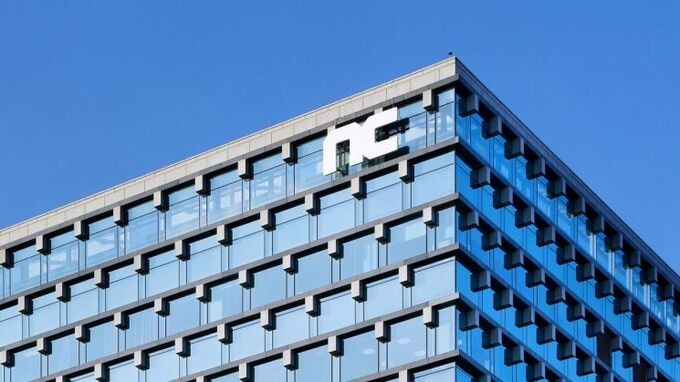
NCsoft is offering its entire Dev standby team — roughly 70 people — a voluntary severance package worth 20 to 30 months of salary. On paper, that is aggressively generous. In practice, it is a sign that the company does not expect these people to come back.
The Dev team exists outside any live project. Most of its members formerly worked on Blade & Soul 2 or the game codenamed Hoyeon. Some have been on unpaid standby for years after failed reassignment attempts. They report to an HR-adjacent org chart rather than a production pipeline. The company has essentially parked them until someone either buys the studio, the projects revive, or they walk away on decent terms.
Nexon tells a quieter but comparable story. More than 300 workers across Nexon Korea, Neople, and Nexon Games are in the same standby limbo. Rather than announcing a formal buyout program, Nexon handles separations case by case — one-on-one meetings, variable severance, and a pattern of nudging people toward the door without publicly calling it a layoff.
Both moves came within days of each other in early November 2024. That overlap is not coincidental. It is the first visible tremor of a consolidation wave that has been building for years.
Why Now, and Why It Matters
The Korean gaming sector entered a structural downturn several years ago. Domestic revenue growth has flattened. Mobile spending patterns shifted toward China and Southeast Asia. Meanwhile, AI-driven development tools are quietly reducing the headcount needed to ship games — a trend that makes standby workers the first line of cost reduction because they are already off the books in every sense except legal employment.
NCsoft’s offer mirrors the terms the company advertised during its October 2024 voluntary departure program. Workers who missed that window are now being approached under identical conditions. A unionized insider described the proposal as a genuine opportunity for those excluded previously, but also acknowledged the pressure inherent in any structured exit. The company has made clear that refusal carries no formal penalty — a useful detail for a market where employment relationships carry cultural weight beyond the contract.
Nexon’s approach is less transparent. Under new chairman Patrick Söderlund, the pipeline has tightened. Projects that do not pass internal review now face cancellation more often, which shrinks the pool of redeployment openings precisely as the number of standby workers grows. The conversion rate — the share of idle employees who successfully move to active projects — has dropped year over year. For workers trapped in extended standby, basic pay is reduced during the interim, with a promise of restoration only if they complete external training and secure a placement. The system works if placements are available. They are not.
The union at Nexon Korea has already delivered a formal demand letter for employment security and staged picketing outside the office. That alone signals the situation is no longer being managed quietly.
Who Wins, Who Loses, What Comes Next
The winners in this scenario are not obvious. No one profits from a studio downsizing its own workforce unless you count investors who prefer leaner P&L statements over the long shots that funded them. What is likely to happen instead is acquisition activity. NCsoft and Nexon are both too large to fold quietly and too constrained to sustain current headcount without either external capital or a dramatic revenue turnaround. Either path favors buyers over incumbents.
Foreign publishers — Tencent, Sony, Krafton’s competitors, Activision Blizzard’s parent — are watching Korean IP and live-service infrastructure the way they once watched European mid-tier studios before the 2022 consolidation cycle. NCsoft’s portfolio alone includes Lineage and Blade & Soul, both with global licenses and ongoing mobile revenue. Nexon owns MapleStory, Dungeon & Fighter, and Kartrider, plus a substantial stake in Valve through the Discord adjacency. Neither company is small enough to disappear. Both are large enough to need restructuring that looks like sale.
For the roughly 370 workers directly affected, the next six months will determine whether the industry’s labor model shifts permanently. Korean gaming has historically avoided mass layoffs through cultural and legal friction. The fact that both NCsoft and Nexon are now moving in that direction — one openly, one incrementally — suggests the brake has slipped.
What happens next depends on timelines none of these companies have published. If NCsoft’s 20–30 month offer attracts acceptance at scale, the Dev team effectively dissolves within a quarter. If most workers refuse, the company faces a decision between doubling down on the offer or reverting to the older, thinner six-month standard that defined previous restructuring rounds. Nexon’s separate-path strategy will produce uneven outcomes across its three legal entities, with Neople likely feeling pressure first given its smaller project count and narrower revenue base.
The broader industry signal is straightforward. Korean studios that survived the last downturn through patience and domestic hit cycles now face a different math. AI reduces the marginal cost of development but also reduces the marginal value of headcount. Revenue concentration in fewer tentpole IPs makes every unprofitable project a liability. The companies that adapt fastest will be the ones that trade volume for discipline — fewer games, smaller teams, clearer exits for those who do not fit.
Global gaming observers should treat this as the opening act. The real story is not the severance packages. It is what happens to NCsoft and Nexon when their boards conclude that the old growth model no longer applies.