Lake Ontario Is Now Lake America — Here's Why Other Allies Should Worry
Trump's executive order renaming Lake Ontario to 'Lake America' is a symbolic strike against Canada that sends a clear message to every US ally: names, borders, and partnerships are all negotiable. What looks like theatrical diplomacy reveals a deeper strategy of using symbolic leverage to extract concessions.
A Name Change That Isn’t Really About a Name
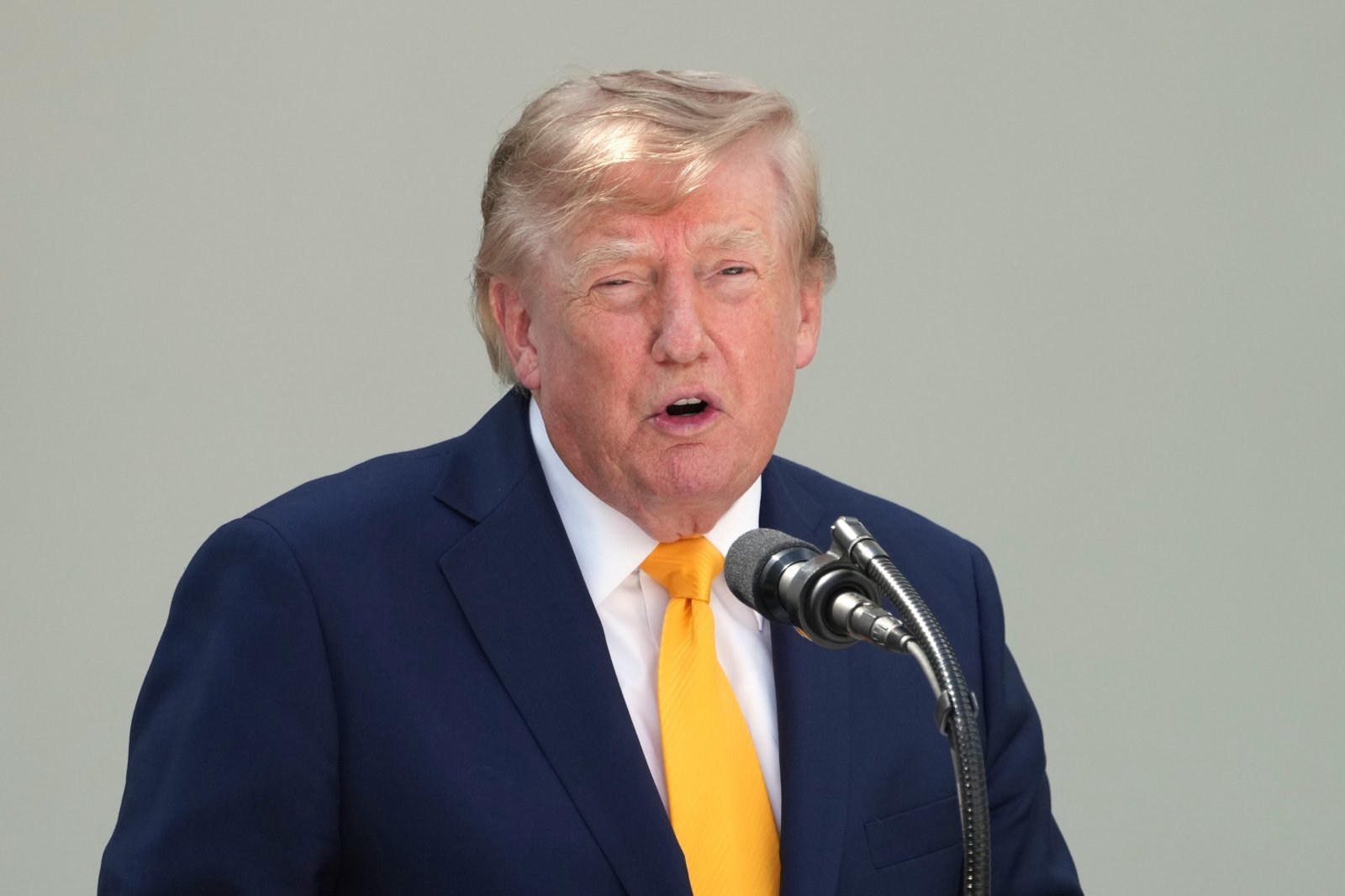
On August 27, 2026, Donald Trump signed an executive order inside the White House, with press pools watching, directing the Department of the Interior and Secretary Doug Burgum to change the name of Lake Ontario to “Lake America” within the US federal geographic naming system. The order took effect immediately.
Lake Ontario — a body of water shared by New York state and Ontario province, with Toronto shimmering along its northern shore — now carries a new name on American maps, in US datasets, and in every government document produced by federal agencies. Canada will keep using the old one. That is the entire, revealing point of this exercise: the US is unilaterally rewriting geography that belongs to both sides of a border, as if shared space were simply a resource the United States can rebrand at will.
Trump justified the move with language he has used repeatedly throughout his second term. “I’ve been thinking about this for a long time,” he said. He then pivoted to trade, declaring that “Canada treats us very badly” and calling them “the worst” trading partner in the world. The implication was unmistakable — the name change was not an idle geographic reassignment. It was a signal, fired across the negotiating table.
The Context Nobody Is Pretending Is Separate
The order arrived weeks after the Trump administration imposed 50 percent tariffs on roughly $20 billion in Canadian goods and threatened an additional 50 percent levy next year on Canadian steel, trucks, automobiles, and auto parts. In response, Prime Minister Mark Carney’s government announced retaliatory tariffs of 25 to 50 percent on more than 700 American products, effective September 8.
The tariff war and the name change are two gestures drawn from the same playbook: use maximum leverage, combine economic pain with symbolic dominance, and force the other side to absorb the cost of disagreement.
Canada’s position has been consistent and dignified. Officials rejected Trump’s earlier proposal to rename the lake outright, stating they will continue using “Lake Ontario.” The executive order applies only to the US internal naming system — Washington has no legal authority to compel Canada, nor any international body will enforce it. The rename is therefore a purely unilateral act. It changes nothing on the ground, nothing in international law, nothing in the way diplomats speak to one another. It changes only what appears on an American government spreadsheet.
That is precisely why it matters.
The Real Lesson for Every US Ally
A South Korean newspaper — Dong-A Ilbo — is running this story under the headline “The Worst Scenario for Canada.” That framing is not accidental. It reflects a growing recognition across allied capitals that the United States is treating diplomacy as a series of unilateral moves designed to recalibrate relationships through pressure rather than negotiation.
Japan, South Korea, the Philippines, NATO members, and dozens of smaller partners are all watching. They see a precedent set by the Gulf of Mexico renamed “Gulf of America” last year, followed by Lake Ontario just months later. The pattern suggests this is not a collection of impulsive executive orders. It is a method.
The message to allies is simple: shared spaces — whether bodies of water, trade routes, or security arrangements — are not guaranteed. They exist because the United States allows them to. If a partner behaves contrary to US demands, even long-standing conventions can be erased overnight.
No ally receives a warning before the order lands. The notification and the negotiation happen simultaneously, in the same press cycle.
Who Wins, Who Loses, and What Comes Next
Trump wins domestic political theater. The photograph of him signing the order in the Rose Garden or the Oval Office, surrounded by cameras, is exactly the image his base responds to — decisive, uncompromising, refusing to cede even symbolic ground. And for the tariff-hawk wing of the Republican coalition, the move validates the narrative that Canada has enjoyed unfair advantages for decades and that the United States is finally drawing lines.
Canada loses nothing of substance and everything of dignity. Its economy feels the tariff pain first. Its sovereignty is gently mocked by a renaming it cannot stop. And its diplomatic standing among other partners takes an indirect hit: if the United States can redefine shared geography at will, what about shared intelligence frameworks, shared command structures, shared supply chains?
Allies outside North America lose the assumption of predictability. The old postwar order — even at its most imperfect — operated on a baseline of institutional continuity. Treaties endured. Borders were respected. Names on maps were not bargaining chips. Trump’s approach replaces that with something thinner: relationships are transactions, and transactions are enforced by whoever controls the present moment.
The next phase will likely involve more symbolic escalation before any real deal emerges. The United States has shown it can impose tariffs unilaterally and rename territory unilaterally. Both are低成本 actions for Washington and high-cost signals for partners. Expect more of the same in coming weeks, with additional tariff threats layered onto existing ones and additional symbolic gestures aimed at other neighbors — Mexico already felt this year’s Gulf rename, and Greenland has been discussed in other contexts.
Canada’s retaliation begins September 8. Markets will react. Supply chains will adjust. And somewhere between the tariff schedules and the renamed lakes, the question every allied capital is silently asking is whether the United States treats the world as a collection of deals to be won or as a system to be maintained.
The answer, so far, is written on a federal map.