Riot’s New Dawn Is a Desperate Bid to Save League’s Future
Riot Games unveiled “New Dawn,” a sweeping 2027 overhaul of League of Legends. Behind the polished cinematics lies a stark admission: the 17-year-old MOBA cannot rely on nostalgia alone.
A 17-Year-Old Game Trying to Reinvent Itself
Riot Games did not announce “New Dawn” because League of Legends is thriving. It announced it because the company is acutely aware that its crown jewel, now in its seventeenth year, can no longer coast on the momentum of a generation-defining title.
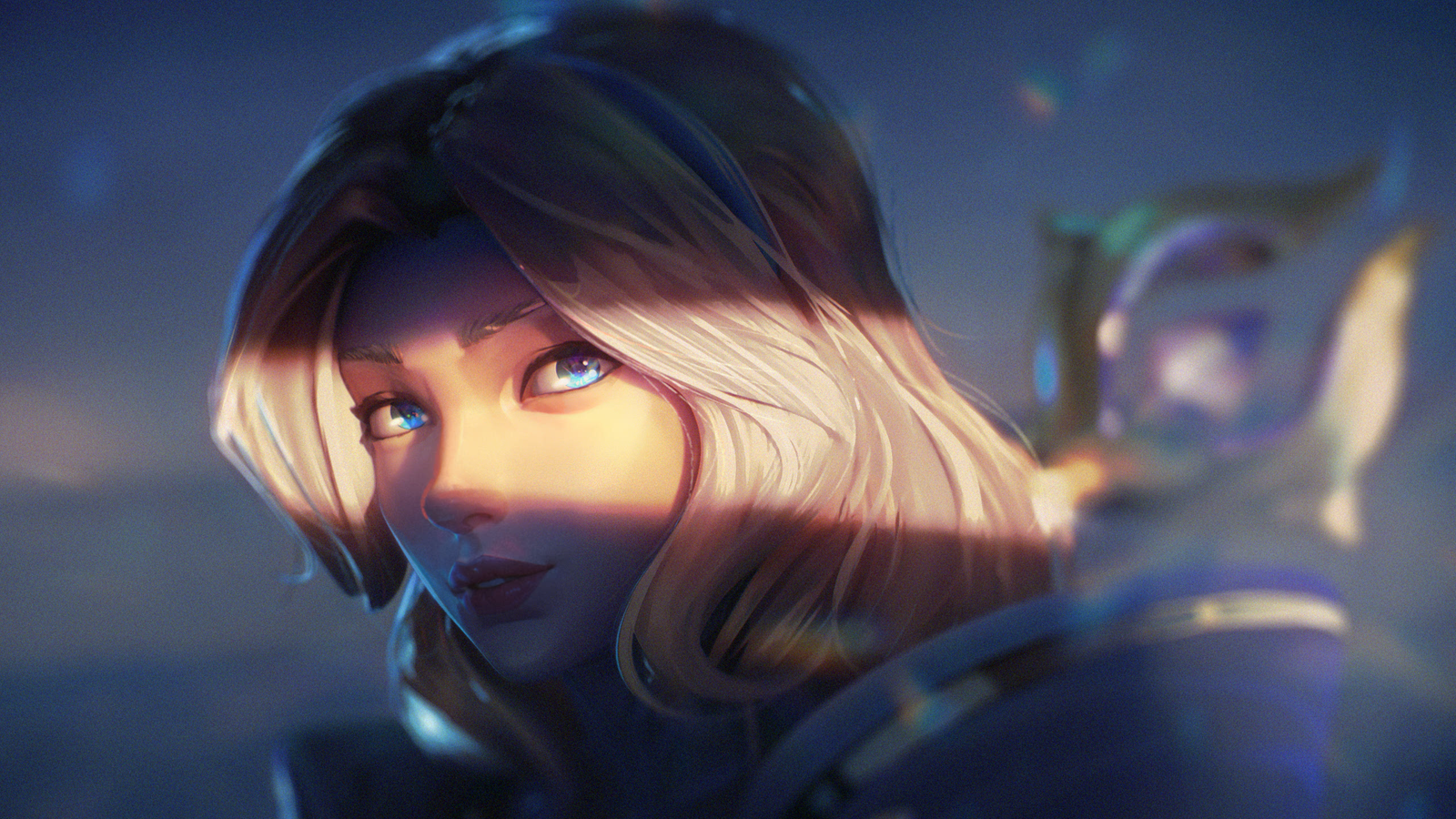
The tease dropped during the 2026 World Championship at Barclays Center in Brooklyn. Cinematic trailers showed reimagined versions of fan-favorite champions—Blitzcrank, Lux, Jhin, Ahri, others—rendered in sharp new detail. Gameplay snippets featured Master Yi and Morgana in action. But the real substance of New Dawn, scheduled for release in 2027, remains deliberately obscured until Riot’s full January reveal.
What emerged from the noise, however, tells a clear story. Riot is executing a structural reset, not a cosmetic update.
The Client Problem Nobody Talks About
The most consequential element of New Dawn is also the one least likely to generate highlight reels: a brand-new game client.
The current client launched in 2016. By any measure, that is an eternity in software development. Players have long complained about load times, matchmaking lags, menu clutter, and a persistent feeling that the gateway to League has grown stale alongside the game itself. Competing titles, particularly Valorant, offer smoother, faster-onboarding experiences that do not require navigating decades of accumulated UI debt.
Rebuilding the client from scratch signals that Riot recognizes a fundamental drift between League’s internal technology and what modern players expect. A clunky client pushes people away before they even queue into a match. It is easier to dismiss individual bugs, but architecture matters more than patch notes.
This is the kind of investment that does not produce immediate viewer numbers. It produces survival.
Who Loses When the Map Changes
New Dawn also promises a refreshed Summoner’s Rift. For longtime players, this is simultaneously exciting and terrifying.
Summoner’s Rift is not merely a map. It is a cultural artifact. Every stratagem, every macro decision, every pro-level draft revolves around terrain that players have internalized over nearly two decades. A meaningful change could invalidate seasons of accumulated expertise and force both casual and competitive players to relearn the geometry of a game they thought they had mastered.
Who loses first? Veterans. The players who built careers around instinctive knowledge of sightlines, jungle pathing, and ward placement will face a steeper transition curve than newcomers, who enter a game already shaped around the new design. The esports ecosystem feels this asymmetry most sharply—professional players cannot afford the same experimentation period as the casual population.
Then again, stagnation is its own risk. Without periodic refreshes, even beloved maps grow predictable. The question is whether Riot can alter the geometry enough to feel new without breaking the fundamentals that make League’s depth possible.
The Multi-Generational Gamble
Paul Bellezza, League’s executive producer, stated plainly that Riot envisions League running for another hundred years. The framing is significant. A “multi-generational” product requires a different design philosophy than a peak-driven franchise.
This ambition explains several elements of New Dawn. The champion visual reworks target recognizable icons that draw in players via Arcane, the animated series, or the Riftbound trading card game. These are touchpoints that younger audiences know—even if they have never played League itself. New Dawn appears designed to convert that external familiarity into actual gameplay engagement.
But converting viewers into players is harder than converting players into fans. Arcane brought millions of eyes to Runeterra. Very few of those eyes became paying participants in League’s daily active ecosystem. If New Dawn cannot bridge that gap, Riot will have spent considerable resources producing an elegant marketing pipeline that funnels attention elsewhere.
Valorant currently captures much of the overflow audience that League would traditionally absorb. So does mobile gaming, particularly in regions where PC hardware remains prohibitively expensive. New Dawn must answer why a seventeen-year-old MOBA deserves a teenager’s hours over a title that feels contemporaneous.
Esports Geography as Strategy
The 2027 competitive calendar reveals a parallel strategy. Next year’s season begins in China with an expanded First Stand tournament, followed by Mid-Season Invitational in Valencia, Spain. Worlds 2027 will split between Japan and South Korea, with Nagoya hosting Japan’s first-ever World Championship matches before concluding in Seoul.
Geographically, this is deliberate. Riot is distributing prestige across markets that matter—and those that matter strategically. China represents the largest competitive talent pool and a massive commercial base. South Korea remains the sport’s historic heartland. Japan’s inclusion, however marginal in League history, signals Riot’s willingness to invest in new arenas rather than recirculating established ones.
The potential replacement of the traditional Worlds Play-In Stage with the Demacia Cup is another meaningful signal. Expanding participation reduces the barrier between regional qualifiers and the main event. More teams mean more stories, more underdog narratives, and broader regional engagement. It is a structural bet that quantity of access drives quality of investment.
Yet replacing the Play-In format introduces uncertainty. The current system functions as a filter—harsh, yes, but one that rewards consistency. A broader cup-style invitation could dilute competitive integrity or elevate teams that qualified on momentum rather than sustained performance. Whether this strengthens or weakens the global championship narrative depends on execution details Riot has yet to publish.
The Bigger Picture
New Dawn arrives in a context where live-service franchises everywhere are stretching toward immortality. World of Warcraft announced its own continuation strategy. The market reward for longevity is enormous; the cost is constant reinvention.
League of Legends has won the longevity fight. It remains one of the most-played games on Earth. But winning the first decade does not guarantee the second. Riot’s announcements acknowledge that implicit vulnerability.
New clients, redesigned maps, expanded tournaments, visual reinventions—these are not vanity projects. They are defensive maneuvers. The players who will benefit most are those entering League for the first time in 2027. The ones who may feel alienated are those who joined in 2011 and have not left.
Whether that trade-off proves worth it remains unanswered. Riot will share more in January. But the direction is already visible: League of Legends is either evolving fundamentally or accepting that its cultural dominance is a memory rather than a foundation.