Meta's $167 Billion Minors Settlement Could Reshape Global Platform Regulation
Meta agreed to pay up to $167 billion to settle US state lawsuits over SNS addiction targeting minors, with strict new restrictions on under-18 accounts. The settlement's conditional structure — where fees rise if competitors follow similar rules — could become a template for enforcement of Europe's Digital Services Act and Korea's own platform liability debates.
The Settlement That Changes Everything
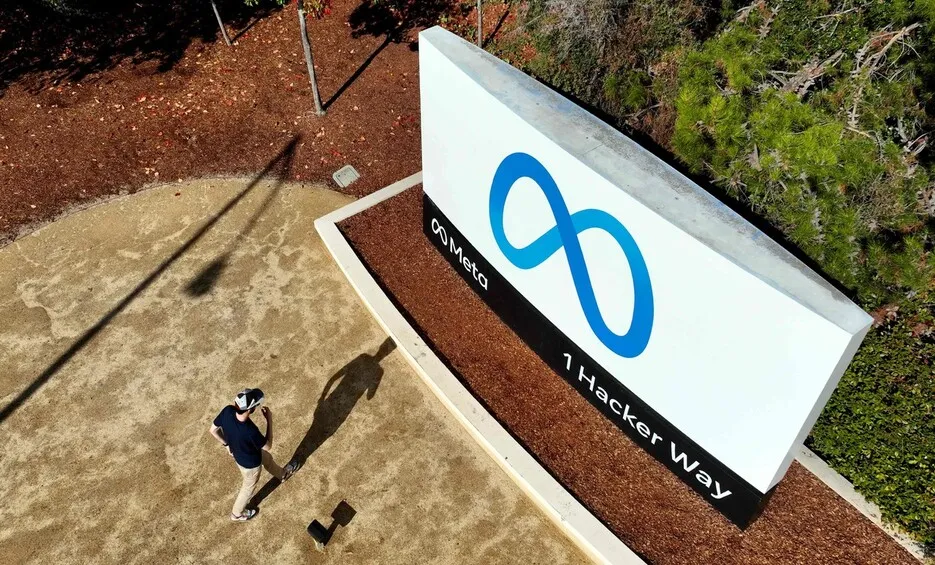
Meta agreed Tuesday to pay up to $167 billion to settle lawsuits from 47 US states alleging the company knowingly designed Facebook and Instagram to addict minors. The deal, which still requires court approval, is not just a legal resolution — it is a structural experiment in how platform regulation might work globally.
The numbers are staggering. California Attorney General Rob Bonta, who led the litigation, called it a turning point for youth safety online. But the real significance lies in what comes next — and in what this settlement reveals about the shifting architecture of tech governance worldwide.
How the Money Works
Meta will pay approximately $11.7 billion upfront. The remaining $5 billion kicks in only if TikTok, YouTube, Snapchat and other major platforms enter similar agreements with state governments. This conditional structure is the settlement’s most innovative feature.
It transforms a single-company liability into a market-wide compliance framework. If competitors refuse to cooperate, they face the prospect of their own state lawsuits while Meta walks away relatively unscathed. If they do cooperate, the financial pressure scales across the industry. This is regulatory design by architecture, not by statute.
But there are second-order economic effects that extend beyond the headline figures. The upfront payment alone — $11.7 billion — exceeds the annual operating budgets of most state consumer protection agencies combined. Those funds will flow into digital literacy programs, mental health services for adolescents, and enforcement infrastructure that previously did not exist. States now have permanent financial capacity to monitor compliance rather than react to crises.
The conditional tier creates what economists call a coordination mechanism. It effectively forces competitors into a prisoner’s dilemma: if one platform signs and the others do not, the signing platform bears the cost of restrictions while non-signers retain their engagement advantages. But if all platforms sign, the competitive landscape resets to identical constraints. The $5 billion trigger is calibrated to make collective compliance more attractive than individual defiance.
What Minors Will Actually Experience
The terms are specific and enforceable. Under-18 accounts on Facebook and Instagram are capped at two hours daily. Between midnight and 6 a.m., access is blocked entirely. Parents must approve any exemptions.
If rival platforms sign on, the restrictions tighten further: one hour daily limits, nighttime blocks from 10 p.m. to 7 a.m., and a school-mode during weekdays from 8 a.m. to 3 p.m. that silences all notifications except direct messages.
Algorithmic changes run deeper. Teen accounts will receive non-personalized feeds showing only posts from followed accounts in chronological order. Like counts disappear. Filters that simulate plastic surgery or heavy makeup are blocked. Accounts default to private. Age-verification systems, including AI models to detect and delete accounts registered by children under 13, will be built and audited annually.
These are not suggestions. They are contractual obligations backed by state enforcement. The removal of algorithmic personalization for teenage users represents the most radical shift — it strips away the recommendation engines that maximize time-on-platform and replaces them with passive chronological timelines. Engagement metrics will inevitably decline, but the tradeoff is framed as an explicit policy choice: youth wellbeing over adolescent attention capture.
The school-mode feature introduces a temporal boundary that mirrors real-world institutional schedules. By silencing notifications during classroom hours, the settlement attempts to replicate the friction that existed before smartphones made social media perpetually accessible. The exception for direct messages acknowledges that emergency communication remains functionally necessary.
Why Europe Should Be Watching
The European Union’s Digital Services Act, which took full effect in 2024, gives regulators powerful tools to compel platform behavior change. But enforcement has been slow, expensive and legally contested. Meta’s settlement offers a working model for DSA enforcement: precise behavioral mandates, measurable outcomes, financial penalties tied to industry-wide compliance.
Brussels could adopt a similar conditional structure — penalizing Meta while rewarding platforms that align with EU standards. The threat of cascading fines creates pressure for voluntary conformity without requiring the Commission to litigate every provision individually. The settlement also demonstrates that detailed youth protections are operationally viable, countering industry arguments that such measures would require impossible technical infrastructure.
Why Korea Matters Here
South Korea has long struggled with youth internet addiction and platform accountability. The National Assembly has debated platform liability legislation repeatedly, but progress stalls between industry lobbying and free-speech concerns. Meta’s settlement provides Korean policymakers with a concrete precedent: a fully specified compliance framework that survived legal scrutiny and demonstrated operational feasibility.
Korean platforms face their own pressures. Line, Kakao and Naver all serve large youth populations. The Cultural Ministry and Communications Commission have signaled intent to regulate algorithmic recommendation systems more aggressively. A Meta-style settlement could accelerate those efforts by showing regulators exactly what enforceable terms look like in practice. Unlike the US framework, which relies on state-by-state litigation, Korea’s centralized regulatory structure could potentially adopt analogous terms through administrative decree — making implementation faster but also raising different constitutional questions about legislative delegation.
Who Wins and Who Loses
Parents and advocacy groups win immediate protections. States win enforcement leverage. Meta wins lawsuit avoidance and industry-wide compliance through competitive pressure.
Competitors lose first-mover advantage in youth engagement features. TikTok and Snap will now face identical constraints if they join the agreement, removing any differential they might have cultivated. Independent regulators win a blueprint. Industry lobbyists lose a battleground — the settlement makes it harder to argue that youth protections are technically unworkable or commercially destructive.
There is also a subtle redistribution of power between platform executives and state attorneys general. Historically, tech companies set the terms of their own safety systems. This settlement inverts that dynamic: compliance metrics, audit schedules, and enforcement timelines are now defined by government actors rather than corporate policy teams.
What Happens Next
The settlement must be approved by the Northern District of California federal court. Legal challenges are likely from both sides: consumer advocates who argue the terms do not go far enough, and industry groups who contend the requirements exceed Meta’s legal liability.
Even if approved, enforcement will test the framework. State attorneys general will monitor compliance reports. AI age-verification systems will face accuracy disputes. The conditional $5 billion trigger depends entirely on whether TikTok, YouTube and Snap sign equivalent deals — an uncertain calculus that could stretch over years.
But the architecture is already influencing discourse. European regulators are studying the terms. Korean legislators are citing the precedent. The settlement proves that detailed, enforceable youth protections are operationally feasible at scale.
That proof of concept matters more than any single dollar figure. The question now is whether other jurisdictions will treat Meta’s settlement as a starting line rather than a ceiling. The conditional enforcement mechanism — where compliance by one platform creates pressure on others — may ultimately prove to be the settlement’s most durable contribution: a replicable model for transforming fragmented legal challenges into coordinated industry-wide reform.