Meta’s $17B Teen Settlement Is Just the Opening Move
Meta agreed to a record $17 billion settlement capping teen social-media use at two hours a day — the largest tech-regulation precedent ever. What happens next matters far beyond California.
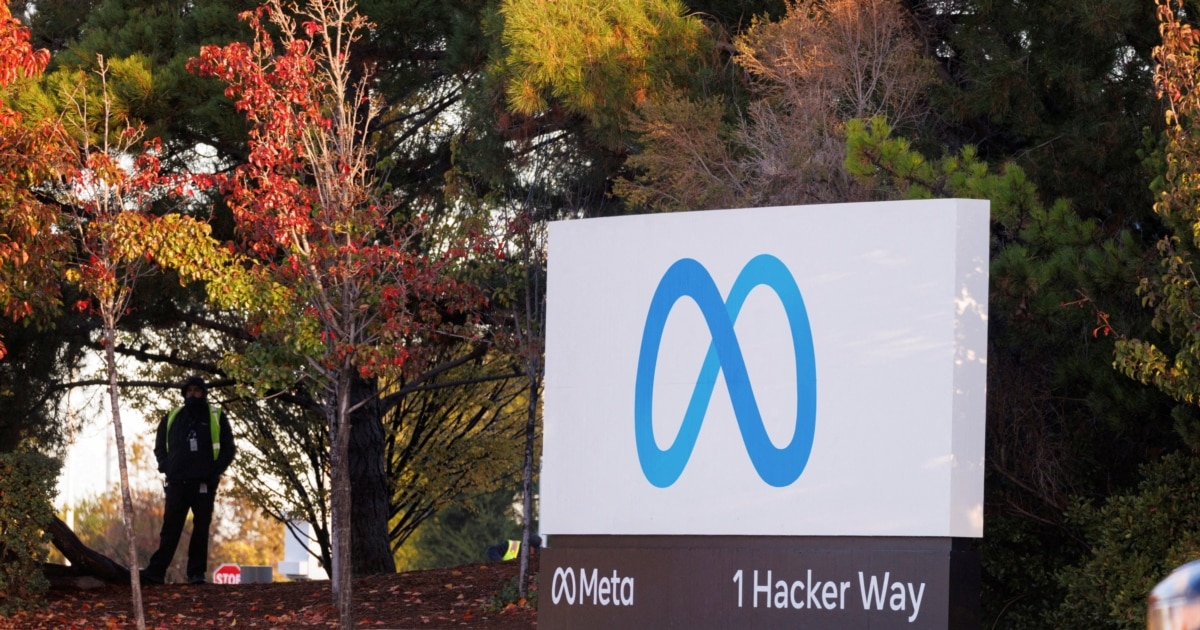
The $17 billion line in the sand
Meta will pay up to $17 billion to settle lawsuits from 47 states and Washington, D.C., and cap Instagram and Facebook usage for teens at two hours a day. The company denies wrongdoing. The judge in Oakland still has to sign off. But the settlement is already rewriting the rules of platform design.
This is the largest tech-regulation settlement in history. Not by a small margin. And it will not stand alone.
The immediate effect is straightforward: teens aged 13 to 17 on Meta platforms will face a hard daily limit, parental override required to change it, push notifications paused during school hours, like counts hidden by default, and a ban on heavily retouched makeup filters for minors. The platform must also strengthen age verification and submit to independent audits. A federal trial scheduled to begin August 18 in Oakland was halted the same day the deal was announced.
What is less obvious is what the settlement actually establishes as precedent — and why every other major platform will now face the same pressure.
How the addiction was engineered
The core accusation, spelled out most bluntly by Virginia Attorney General Jerry Jones, is that Meta knowingly designed its products to hook young users while publicly downplaying the danger. The mechanism is well documented now: infinite scroll, algorithmic recommendation feeds, variable-ratio notification schedules, and engagement-optimized content loops that bypass rational decision-making.
These are not bugs. They are features — the same features every competitor runs. TikTok, Snapchat, X, YouTube, even Apple’s iMessage feeds all rely on overlapping mechanics that maximize time-on-device. Meta’s problem was not that it did something unique. It was that it kept saying it was harmless while building the very architecture that state attorneys general now say was intentionally addictive.
The settlement forces Meta to change its own product. But it also hands every other platform a copy of the blueprint — and a target on its back.
Why this will spread
Two dynamics will accelerate this far beyond Meta.
First, the legal theory is portable. The claim that a platform deliberately designed addiction for profit does not depend on Meta’s code. It depends on the economics of attention, and every major app runs on those same economics. Plaintiffs’ firms are already cataloging identical features across competing services. Expect copycat suits within months.
Second, the settlement creates a new baseline for what courts will accept as reasonable safety design. Before this deal, Meta could argue it was merely reacting to external pressure. Now it has formally agreed that certain protections — daily limits, notification pauses during school hours, algorithmic transparency audits, and filter restrictions — are necessary. Other companies cannot plausibly claim they did not know those standards existed without looking willfully negligent.
California Attorney General Rob Bonta, who helped drive the original 2023 lawsuit filed by 29 states, called the settlement a turning point. He is right. The states did not just win money. They won a framework.
What the two-hour cap actually means
A two-hour daily limit sounds strict. In practice, it will be testable, enforceable, and controversial.
Teens will find workarounds — shared accounts, secondary devices, browser access. Parents will struggle with enforcement. Schools may see short-term relief but also a surge in off-platform activity that escapes monitoring entirely.
The harder question is what replaces the lost engagement. Meta has already signaled it wants to reposition Instagram as a safer space for younger users. Expect more investment in direct messaging, smaller-group features, and creator tools that do not rely on public like-driven feeds. The company has also hinted that it expects other platforms to adopt the same standards — a move that would level the competitive playing field in Meta’s favor while raising barriers for smaller startups that cannot afford compliance infrastructure.
The audit mechanism built into the settlement is the real innovation. An independent body will verify whether Meta is actually honoring its commitments. That model — private enforcement backed by public oversight — is likely to be copied by lawmakers in Congress and by regulators in the European Union.
Who wins, who loses
Victims of algorithmic harm win. Teens in the affected age group gain concrete protections: curated content filters, reduced exposure to body-image distortion, fewer notifications during learning hours, and a structural brake on compulsive scrolling.
Meta wins by converting a catastrophic trial risk into a manageable operating cost. Seventeen billion dollars is large, but it is spread across years and against quarterly profits that dwarf the figure. More importantly, the settlement forces competitors to bear equal compliance costs while giving Meta first-mover advantage in a reshaped product landscape.
Competitors lose leverage. Every other platform now faces litigation risk for the exact features that define their business models. The cost of defense will rise. The cost of non-compliance will rise faster.
Parents gain. Not because they will automatically enforce the two-hour rule, but because the platform itself now carries legal responsibility for doing so — something that did not exist before.
Advertisers face uncertainty. If teen engagement drops meaningfully, the demographics behind some of the most lucrative ad inventories shift. Brands that relied on youth attention on Instagram and Facebook will need alternatives.
Lawmakers win political capital. State attorneys general who pushed the original 29-state filing now have a tangible result to campaign on. Congressional committees will cite the settlement as proof that self-regulation failed and federal action is needed.
The global ripple
The United States has long been the reluctant pioneer of digital regulation. The EU moves faster on paper but enforces slower in practice. This settlement flips that dynamic. American states, acting through civil litigation rather than legislation, have imposed design constraints that the Digital Services Act never explicitly required.
European regulators will watch closely. The DSA’s “very large online platform” designation already triggers transparency obligations. This settlement gives Brussels a concrete reference point for what “reasonable” safety measures look like in practice. Expect the European Commission to cite the Meta deal when drafting implementing regulations on algorithmic risk assessments and youth protections.
Asia-Pacific markets will also take note. Platforms like Naver, LINE, and Kakao operate under different cultural and regulatory frameworks, but the commercial logic is identical. If global investors begin pricing algorithmic litigation risk into platform valuations, even non-U.S. companies will feel pressure to self-reform.
What comes next
This settlement does not end the litigation. Meta still faces thousands of separate cases from families, schools, and additional state governments. The Oakland case was just one track. Some will settle on similar terms. Others will go to trial.
Congress is likely to respond with federal legislation that either adopts the settlement’s framework or attempts to preempt state-level action — a move that could trigger constitutional questions about federalism and state police powers. The Supreme Court may ultimately decide what happens when 47 states agree on a single standard and a company is asked to follow it.
The product implications will unfold over years. Expect Meta to invest heavily in compliance technology — age-verification APIs, engagement-limiting algorithms, real-time notification throttling — and to market those capabilities as safety features rather than regulatory burdens. The narrative will shift from punishment to responsibility, which is exactly where Meta wants it.
What is clear is that the era of unchecked attention extraction is ending. Not because of a single fine. Because of a settlement that proves states can force platforms to redesign their core products — and that other platforms cannot simply wait it out.
The two-hour limit is the headline. The real story is the architecture behind it.