Meta's $18B settlement is just the opening move for global platform reform
Meta's $18bn deal with 29 US states is far cheaper than the $1.4tn worst case, but the real story is what comes next — a wave of copycat regulation that could remake how every major platform treats young users.
A settlement that costs less than a scandal
Meta agreed to pay $18bn over ten years to settle claims that Facebook and Instagram violated children’s privacy. It sounds like a lot. It is not.
During the five-day trial brought by 29 states, prosecutors floated a worst-case figure of $1.4tn — roughly equal to Meta’s entire market value. That number was never going to land. The more realistic exposure was still in the hundreds of billions. Meta chose to walk away with an $18bn bill instead. That is a rounding error for a company that generated more than $130bn in revenue last year.
What makes this settlement interesting is not the price tag. It is the architecture underneath it.
How the trial actually went
The lawsuit was filed under the Children’s Online Privacy Protection Act, a law from 1998 that predated smartphones, Instagram, and most of the attention economy. COPPA was designed for a world of geoCities and early web form fields. It was never meant to handle algorithmic recommendation engines that learn what keeps a nine-year-old scrolling.
That mismatch should have made the case unwinnable. Yet it landed anyway — not because the law suddenly fit, but because the states reframed the argument. They stopped talking about data collection and started talking about design choices. Whether the settlement ultimately sets a precedent beyond COPPA’s narrow text remains an open legal question.
What did emerge was damning testimony. Arturo Bejar, a former Instagram engineer turned whistleblower, said he flagged harmful content affecting children to leadership and got nowhere. An internal presentation revealed that Meta had once considered simply paying regulatory fines instead of changing behavior. Another document showed that the company knew its opt-in safety tools were barely used — then launched them anyway and called it protection.
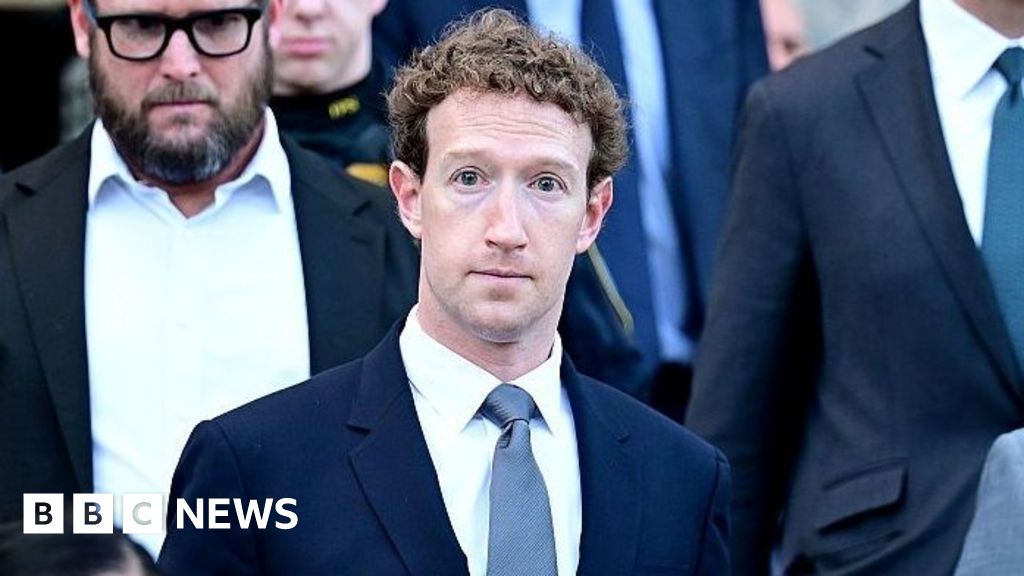
Mark Zuckerberg never took the stand.
What Meta has to change — and what it won’t
The settlement requires Meta to implement several specific features for teen accounts within six months. Default two-hour daily time limits across Instagram and Facebook. Notification pauses between midnight and 6am, and on school days from 8am to 3pm. Hidden like counts for teenage users. All defaults — meaning teens get the protected experience unless someone actively opts out.
Another requirement, taking up to a year, is to build better age-verification systems. Meta says these changes only matter if rivals adopt them too. That is both a genuine concern and a strategic move. If competitors refuse, the pressure shifts to them. If they comply, Meta’s first-mover disadvantage disappears and everyone inherits the same constraints.
Notably absent from the requirements: any cap on data collection for adults, any restriction on ad targeting, and any transparency obligation around how the recommendation algorithms work. The settlement is about behavior designed for young users, not the core business model that everything else funds.
Meta is also not admitting wrongdoing. That matters legally, and it matters culturally. The company gets to say it improved its products without having to concede it broke the law.
The global ripple effect
No American tech settlement stays American for long. regulators in the European Union are already studying the terms. The UK’s Online Safety Act gives Ofcom authority to impose similar design constraints. Canada, Australia, and several Asian markets have their own proposals on the table.
The mechanics of the settlement — default protections, time limits, notification restrictions — are portable. Any platform that wants to operate in multiple jurisdictions will face a common denominator problem. The easiest path is not to build for each market separately but to adopt the strictest standard globally. That standard just arrived, and it came out of an American courtroom.
Who loses when the defaults change
The immediate losers are engagement-dependent businesses. Hiding likes reduces a key social feedback loop. Time limits and notification pauses break the dopamine schedule that keeps users returning. For platforms built on attention extraction, these are not minor UX tweaks — they are structural interventions.
TikTok faces the sharpest exposure. It has no equivalent settlement behind it yet, but it has a much younger user base and a product engineered for compulsive consumption. If the US moves to extend COPPA-style requirements to older teens, or if a new federal framework emerges, TikTok’s growth engine weakens faster than Meta’s because its entire identity is built around the habits the settlement targets.
Snapchat sits in an awkward middle. It is younger-skewing than Facebook but less dopamine-optimized than TikTok. Its direct-messaging focus makes some settlement requirements less painful, but its advertising business depends on the same engagement metrics everyone else trades in.
The bigger loser may be the status quo itself. Twenty-nine states do not file these suits because they have nothing to lose. They file because the political cost of inaction has risen. Voters notice when their children are overwhelmed by apps designed by engineers who knew about the risks. Lawmakers notice when their states collect settlements that fund education and mental health programs.
What happens next
The next twelve months will determine whether this settlement reshapes the industry or becomes a box to check. Meta’s commitments are real but narrow. Time limits and muted notifications do not address the underlying incentive structure — the algorithm that learns what keeps a child scrolling and serves more of it.
What matters more is the precedent. A $18bn price for five days of trial, zero admissions, and a set of design constraints that other platforms now have to evaluate against their own exposure — that is a new baseline. Regulators everywhere now have a blueprint. Companies everywhere now have a number to compare against.
The whistleblower who testified inside Meta said the proof will be in the results, not the efforts. That is the right bar. Settlements fade. Defaults stick. And the defaults on Instagram and Facebook are about to look very different for the youngest users.
The social media era is not ending because of this settlement. But the version of it that treated children as a byproduct of adult attention economies just lost its longest-lasting legal defense.