NFL vs. Prediction Markets: What the Supreme Court Case Means
The NFL's Supreme Court brief could redraw the boundary between regulated sports betting and prediction markets — with huge implications for operators like Kalshi and the future of fantasy sports nationwide.
The NFL Has Entered the Prediction-Market War
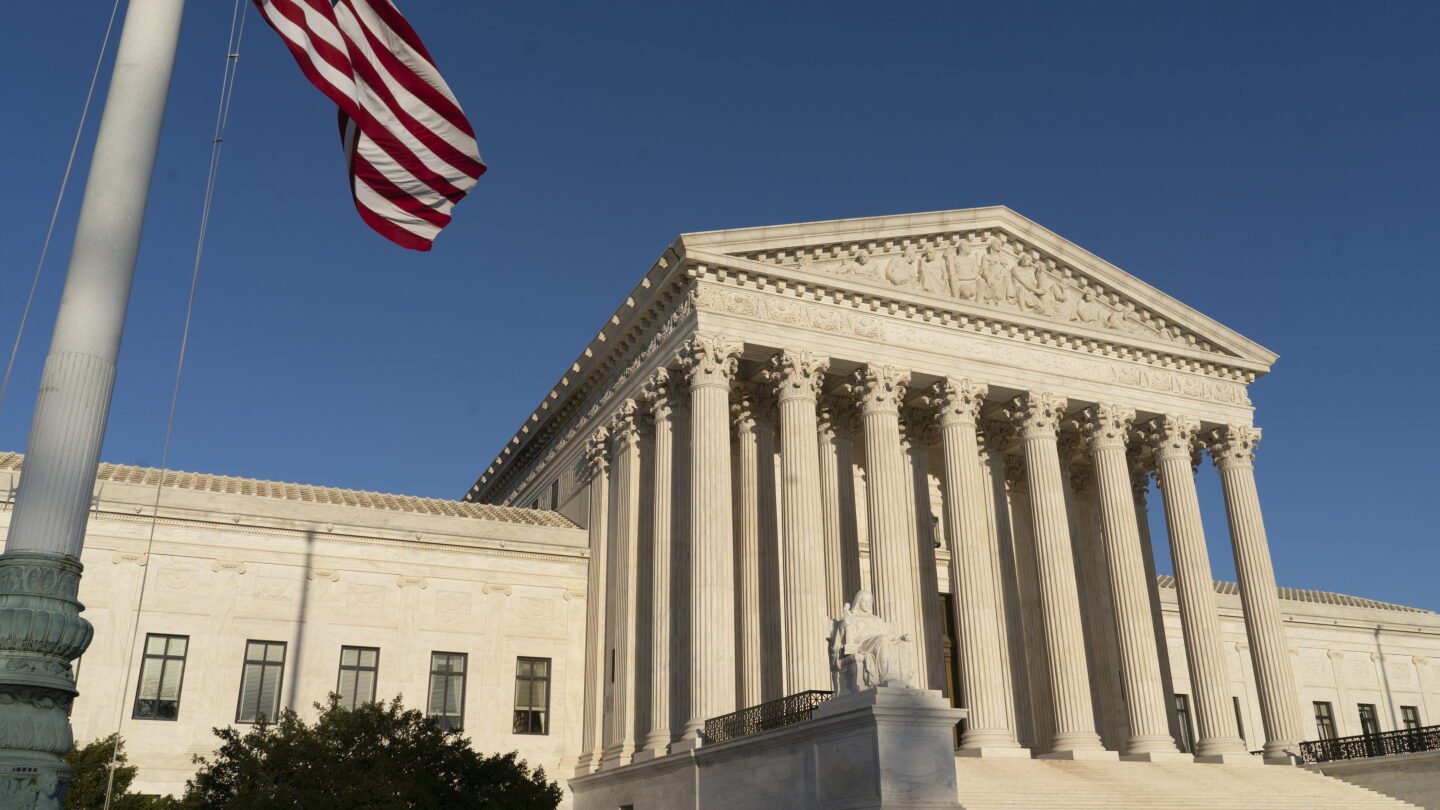
The NFL filed a friend-of-the-court brief at the Supreme Court this week, entering an ongoing legal battle between prediction-market platform Kalshi and the state of New Jersey. On the surface, this looks like a regulatory dispute about class definitions. In reality, it is a pre-emptive strike over who gets to control the future of sports-derived financial products — and on what terms.
The core question before the Court is stark: are prediction markets involving sports events “gambling” under state law, or do they fall under the exclusive jurisdiction of the Commodities Futures Trading Commission (CFTC) as derivative contracts? The answer determines whether these platforms can operate nationwide with a single federal license, or whether they must navigate a state-by-state licensing maze that could effectively block sports-related markets in a majority of jurisdictions.
Why the NFL Cares (It’s Not Just About Principle)
The league’s statement to CNBC is worth reading carefully. It does not oppose prediction markets outright. Instead, it faults both the CFTC and platform operators for failing to ban “categories of bets susceptible to manipulation” and for not enforcing a uniform 21-year-old minimum age. That language reveals the NFL’s actual concern: integrity risk. If players, coaches, or officials can profit from micro-markets on individual plays or stat lines — the kind of prop-style predictions that thrive on platforms like Kalshi — the temptation to influence outcomes becomes harder to monitor and harder to police.
This is not abstract. The NFL has already spent billions building relationships with sportsbooks and fantasy operators. It now sits at the center of a legal architecture that determines whether those operators can legally offer the granular, real-time markets that prediction exchanges specialize in. The league wants that architecture to give it leverage — specifically, the ability to mandate participation agreements, revenue shares, and integrity safeguards before any sports prediction market touches its IP.
If prediction markets are classified as CFTC-regulated commodities, the states lose that leverage entirely. Operators can launch in any state without asking the NFL or any league for permission. If they’re classified as gambling, states retain regulatory authority — and leagues like the NFL become necessary gatekeepers in every market where legalization exists.
The Kalshi Case: A Single Ruling, Multiple Consequences
Kalshi operates as a regulated derivatives exchange. It won a significant victory when the CFTC affirmed its status in 2021, allowing it to offer event contracts on everything from election outcomes to interest-rate moves. New Jersey, however, has argued that when those contracts reference sports events, they should be treated as gambling wagers subject to state gaming control boards. The state’s position is straightforward: if the underlying event is a sports game and the payout depends on sports outcomes, the existing sports-betting framework should apply.
The Supreme Court’s resolution will cascade across multiple sectors. A CFTC-preference ruling would legitimize prediction markets as a distinct asset class, unlock nationwide expansion, and leave states with little recourse. A gambling classification would fragment the market, force platforms to seek state licenses, and likely kill off sports-related products in the many states that have yet to legalize any form of sports betting.
Fantasy sports companies would feel the pressure too. Some fantasy platforms already operate in a gray zone between gambling and skill-based gaming. A ruling that pulls prediction markets firmly into the gambling category would invite renewed legal challenges to fantasy sports as well — a domain the NFL has long defended as legally distinct.
The Pattern Is Familiar to Anyone Who Watched 2018
The NFL’s posture here mirrors its pre-PASPA playbook almost exactly. Before the Supreme Court struck down the federal ban on sports betting in May 2018, the league lobbied fiercely against legalization, arguing it threatened the integrity of the game. Once the decision landed and states began regulating, the NFL pivoted rapidly. It signed partnerships with major sportsbooks, secured data-sharing agreements, and built a licensing revenue stream that now generates hundreds of millions annually. The same pattern repeated with fantasy sports: opposition first, monetization second.
Analysts watching this case expect the same sequence. If Kalshi wins and prediction markets expand under federal oversight, the NFL will eventually come to the negotiating table — not because it changed its philosophical position, but because the revenue opportunity is too large to ignore. The difference this time is that the window for that negotiation may close faster. Prediction markets are already live. Sportsbooks spent eight years building infrastructure after 2018; there is less room for the league to delay and still capture maximum value.
What Happens Next
A few scenarios deserve attention. First, if the Court rules in Kalshi’s favor, prediction markets gain a clear federal runway. The NFL would then shift from litigation to lobbying, pushing for integrity standards, revenue-sharing mandates, and age-gating requirements through administrative channels rather than courtroom ones. Second, if the Court sides with New Jersey, prediction-market operators face a fragmented landscape. Some will comply and obtain state licenses; others may retreat from sports-related products entirely, focusing on non-sports event contracts where the NFL’s interests don’t apply. Third, a divided or narrow ruling could leave the question unresolved, inviting continued litigation and regulatory uncertainty — the least productive outcome for everyone except lawyers.
The timing matters. The Supreme Court term is underway, and a decision could arrive as early as spring 2027. Until then, platforms like Kalshi will continue offering contracts in jurisdictions where they believe they have合规 footing, while the NFL maintains its public stance that nothing has changed and everything is at stake.
What is clear is this: the prediction-market industry is betting that federal commodity law trumps state gambling law. The NFL is betting the opposite. Whoever wins this case will shape not just a sector of financial technology, but the entire architecture of how Americans can wager on the outcomes that matter most to sports leagues — and who gets paid when they do.