Nvidia's CEO Shock: What Korea's Markets Are Screaming
Jensen Huang's surprise departure from Nvidia sent ripples through Seoul's trading floor before markets fully absorbed the implications. The won, KOSPI, and chip-sector plays told a story that headline numbers missed.
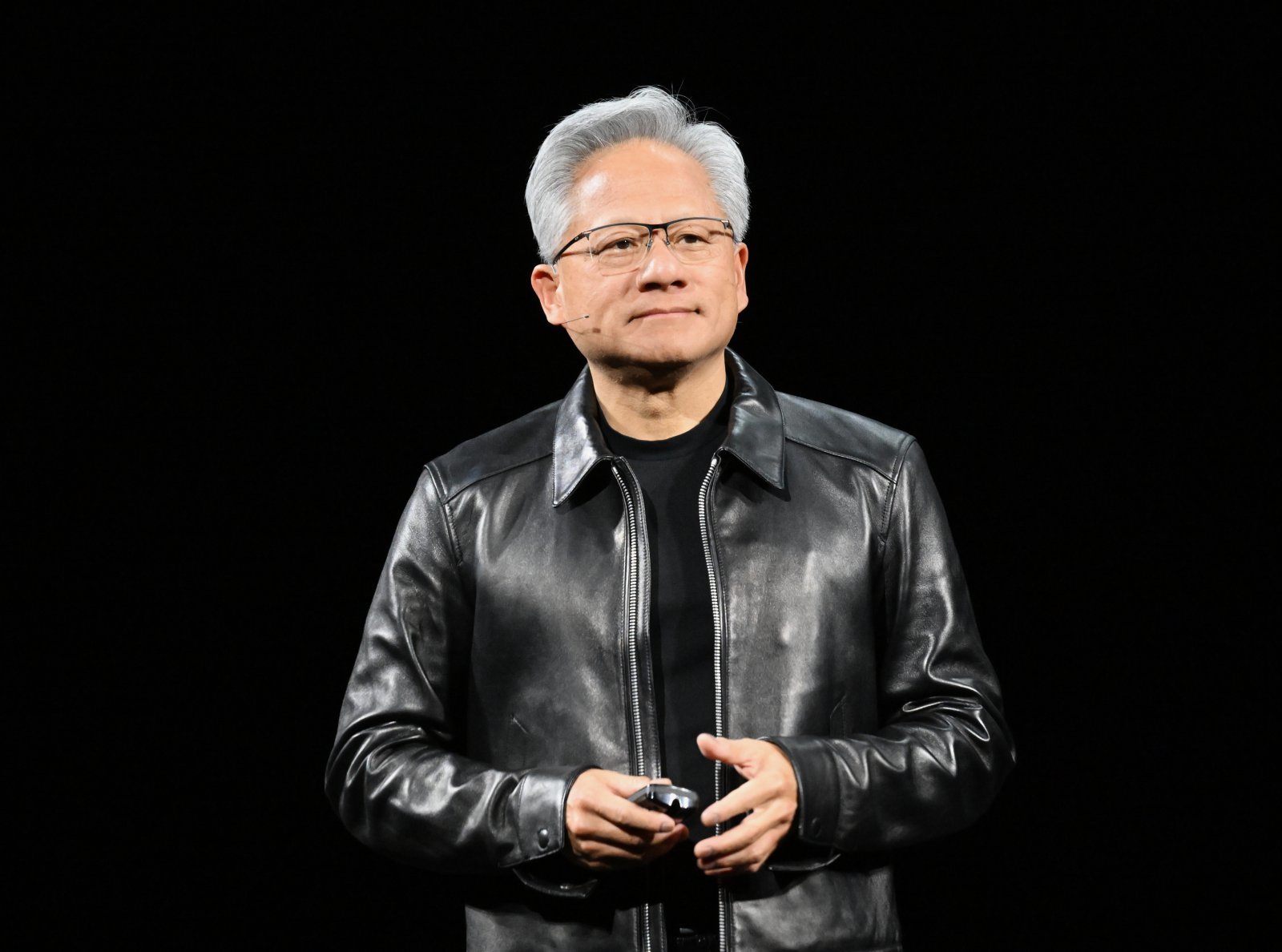
The Leadership地震 That Move Currency Floors
At 10:58 PM on November 12, 2026, Dong-a Ilbo broke the story: Jensen Huang had submitted his resignation as Nvidia chief executive, effective immediately, with Colette Kress named interim CEO while the board searches for a permanent replacement. By the time the pre-market auction opened the next morning, the South Korean won had already carved out fresh one-week lows against the dollar, and the KOSPI was gapping down into territory not seen since late September.
What happened in those first minutes of trading tells you more than any press release about the scale of Asian institutional exposure to Nvidia’s ongoing trajectory.
Why Korea Is Unusually Sensitive Right Now
Korea is not simply a follower of American tech sentiment. It is a direct node in the supply chain that makes Nvidia’s growth thesis realizable. Samsung Electronics and SK Hynix together produce the bulk of the high-bandwidth memory that feeds every Nvidia GPU cluster deployed in data centers worldwide. Every announcement about accelerated AI capex from hyperscalers — Amazon, Microsoft, Google, Meta — translates within hours into order-flow adjustments for Korean memory producers.
This time is different because the market had already priced in a specific set of assumptions about continuity at Nvidia. Huang is the face of the company’s five-year narrative arc. His public appearances at events like GTC Berlin on October 21 were treated almost like quarterly earnings themselves. When that anchor disappears overnight, the repricing hits Korean hardware names hardest because they sit at the intersection of two uncertainties: whether HBM demand forecasts need revision, and whether the broader AI buildout timeline shifts under a new CEO.
The Won’s Quiet Capitulation
The won’s depreciation in pre-market currency desks is notable precisely because it has not been accompanied by any domestic macro shock. There was no rate decision, no trade-data surprise, no geopolitical escalation on the peninsula. The entire move traces back to a single event in Santa Clara.
Currency strategists at Seoul-based banks flagged the pattern immediately. Typically, emerging-market FX flows respond to US Treasury yield shifts or Fed commentary. Today, the directionality was reversed: Asian institutional desks were reducing their long won positions ahead of potential portfolio rebalancing triggered by Nvidia uncertainty. The move is small in absolute terms but directional in implication. It signals that large Asian allocators view the Korean equity complex as a higher-beta proxy for Nvidia momentum rather than as a standalone fundamental story.
That distinction matters for the months ahead.
KOSPI Rotation, Not Collapse
The KOSPI drop was steep at the open but contained throughout the session. That intraday structure — gap down, partial recovery, range-bound afternoon — is textbook institutional redistribution, not panic selling. Heavyweights in the semiconductor and electronics segments absorbed most of the early pressure, while defensive sectors like utilities and telecom held flat. The index did not break its recent support zone, which suggests that the sell-off was selective rather than systemic.
The real story is inside the index composition. Samsung Electronics futures began sliding before the official opening bell, a signal that block traders were adjusting positions in advance of the Korean open. SK Hynix, which carries outsized weight in the KOSPI due to its market capitalization, mirrored the move with slightly more volatility. Both names traded through levels that had held firm through the summer rally driven by HBM demand projections.
Small-cap AI concept stocks, many of which have run hard on narrative alone, sold off disproportionately. These names rarely survive a sector-wide reassessment without fundamentals to anchor them.
Who Wins, Who Loses, What Comes Next
Colette Kress enters an environment where the market’s central question is whether Nvidia will maintain its pace of product cadence. She comes from a CFO background, not an engineering or sales one. For a company whose valuation rests partly on the aura of technical leadership, that is a signal worth watching. If the board moves quickly — sources suggest recruitment is already underway — the interim label may fade before it hardens into a narrative of disorientation.
Trump’s reported comment that Tim Cook of Apple would be the only viable successor adds a political dimension that has no precedent in modern Nvidia history. Whether taken seriously or not, such remarks travel instantly through trading desks and generate noise that distracts from operational substance.
For Korean investors, the practical concern is simpler: how much HBM contract visibility exists beyond the current generation? If Nvidia’s roadmap delays under new leadership, the knock-on effect for SK Hynix and Samsung’s memory divisions arrives within two to three quarters. If the roadmap holds, the current repricing looks premature.
The Bigger Picture
Korea’s market reaction is a window into how deeply Asian institutional portfolios are leveraged to American AI infrastructure bets. The won’s weakness here is not a crisis indicator. It is a calibration signal. Investors are re-measuring their exposure to a single company that now lacks its founder-CEO, a situation that has not occurred in the history of the semiconductor industry’s current boom cycle.
The direction for the rest of November will depend on three things: how quickly Nvidia names a permanent replacement, whether Kress communicates a credible product roadmap in her first public remarks, and whether HBM demand conversations between Nvidia and Korean memory producers continue on schedule. Until those pieces clarify, expect selective volatility rather than structural damage in Korean equities.
What is clear from the first day is that the market no longer treats Nvidia leadership as a given. The repricing that follows this weekend’s announcement will test whether that skepticism spreads beyond semiconductors or remains confined to the names most directly exposed.