The Oregon Father Who Killed a School Shooter Now Faces a Bigger Fight
Kaylub Giamanco's first interview after fatally shooting a teen at an Oregon elementary school reveals the human cost behind a moment that's already reshaping America's school safety debate.
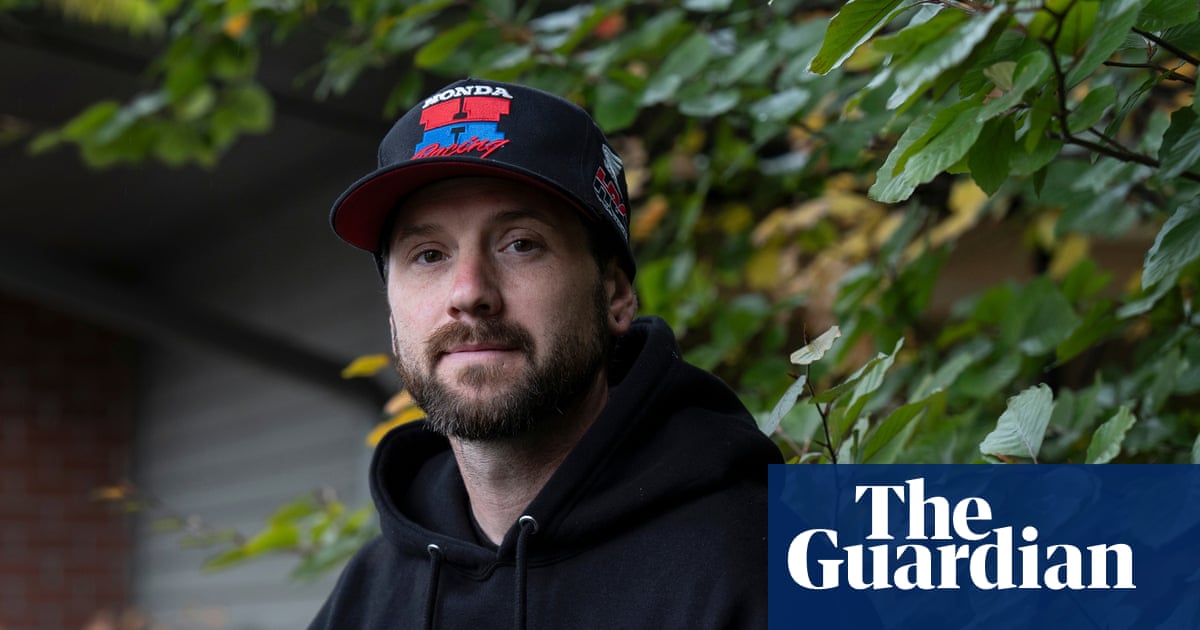
The Weight of a Decision No Parent Should Face
Kaylub Giamanco was driving home for lunch on a Thursday when he made a decision that would split his life into before and after. He decided to eat with his wife instead of the sandwich he’d packed for work. Had he stayed on schedule, he wouldn’t have seen the man in black approaching Silver Rail Elementary in Bend, Oregon, with a gun and a purpose. He wouldn’t have climbed over a fence, crawled through a broken window, and ended the life of a sixteen-year-old.
In his first public interview, conducted with Oregon Public Broadcasting, Giamanco didn’t offer patriotic soundbites or heroic bravado. He offered something far more complicated: grief layered over survival, guilt sitting alongside relief. “I want to apologize for not saving their babies,” he told the outlet. The ones he didn’t save included five-year-old Rhoam Summer, teacher Megan Lambert, and two other children — six people shot in total, four dead.
The Moment That Became National News Overnight
Giamanco’s actions after seeing the shooter, identified as Griffin J. John II, a former student, have already drawn national attention. He pulled a .40-caliber handgun from his car’s center console, called 911, and told the operator the only thing that mattered in that second: “I have to go in. People are going to die.”
He followed John into the school, crawling through a broken window toward a special education classroom where a teacher was physically fighting the shooter. Giamanco said he fired one shot to stop the attack, then two more when John fell and reached for his weapon. “I was afraid of him shooting anybody else.”
What happened next in that classroom wasn’t part of any federal mandate or school district policy. It was one father’s split-second calculus about whether the boy on the other side of that door would get another chance to kill anyone. The calculus worked — at least partially. Six people were shot. Four died. Others lived because Giamanco went in.
The Uncomfortable Question About Civilian Intervention
America has spent nearly a decade after Parkland talking about active shooter drills, lockdowns, and law enforcement response times. The conventional script tells parents to hide, children to get down, and responders to wait for police. Giamanco broke that script by becoming both protector and participant — an armed civilian entering an active shooting scene instead of staying behind a locked door.
This is the thread pulling at the fabric of the national conversation. When a father is hailed as a hero for using his gun to stop a school shooter, what does that say about every parent keeping a firearm at home? What does it say about communities that can’t rely on police arriving in time?
Giamanco himself seems aware of the complication. He wants school resource officers at every site. He wants to raise funds for school safety. He didn’t volunteer for this role — he stumbled into it because he was nearby and happened to be armed. That randomness is the uncomfortable truth lurking under the hero narrative: the outcomes of these moments often depend on luck, proximity, and whether a parent happened to bring a gun to work that day.
What Giamanco’s Testimony Reveals About the Aftermath
The rawest detail in Giamanco’s account isn’t the shooting — it’s what he heard through that classroom wall. “Children pleading for their lives.” He army-crawled faster, telling himself this was probably the last thing he would ever do. He lay awake at night thinking about the teenage perpetrator and the children he couldn’t reach in time.
This is the human cost that policy debates strip away. Giamanco isn’t just a case study in civilian gun use. He’s a thirty-six-year-old carpenter from Bend who saw a man walk into a school with a gun, chose to follow, and has been carrying that memory ever since. His apology for the children he didn’t save carries the weight of every parent who has ever imagined a worse version of their child’s day.
The Policy Currents Already Moving
Giamanco’s call for school resource officers at every site aligns with a broader legislative push that has gained momentum across multiple states. The argument is straightforward: if armed civilians like Giamanco can make a difference, then trained officers should be positioned to do the same — reliably, consistently, without depending on the lottery of which parent happens to be in the parking lot that morning.
But the hero framing also creates a different political pressure. Lawmakers eager to look tough on school safety may point to Giamanco as evidence that armed civilians are part of the solution, potentially strengthening arguments for expanded concealed-carry permissions near schools or loosened restrictions on firearm possession in educational settings. The line between supporting school resource officers and normalizing armed civilian intervention is thinner than most political speeches acknowledge.
What Comes Next
Giamanco faces no criminal charges — Oregon law and general self-defense principles clearly support his actions. The legal question is closed. But the cultural and policy questions are just opening.
The mother of Rhoam Summer, the family of Megan Lambert, the other children wounded — their grief didn’t shrink because Giamanco stopped the shooter. Four dead children at an elementary school is not a contained tragedy. It’s a rupture. The father who killed the shooter is now one figure in a much larger conversation about whether America’s schools can be safe, who gets to bear the burden of making them safe, and what kind of country decides that a carpenter in a parking lot is the best backup plan a school can have.
Giamanco wanted to go home for lunch. Instead, he went into a school. He did what he could. The rest — the policy debates, the political reckonings, the long nights of wondering what more he could have done — that belongs to all of us now.