Pope Leo's Cancer Diagnosis Reshapes the Vatican's Future
Pope Leo XIV's lung cancer diagnosis marks an unprecedented moment for the Catholic Church. With 1.3 billion Catholics watching, the implications for papal authority and faith are profound.
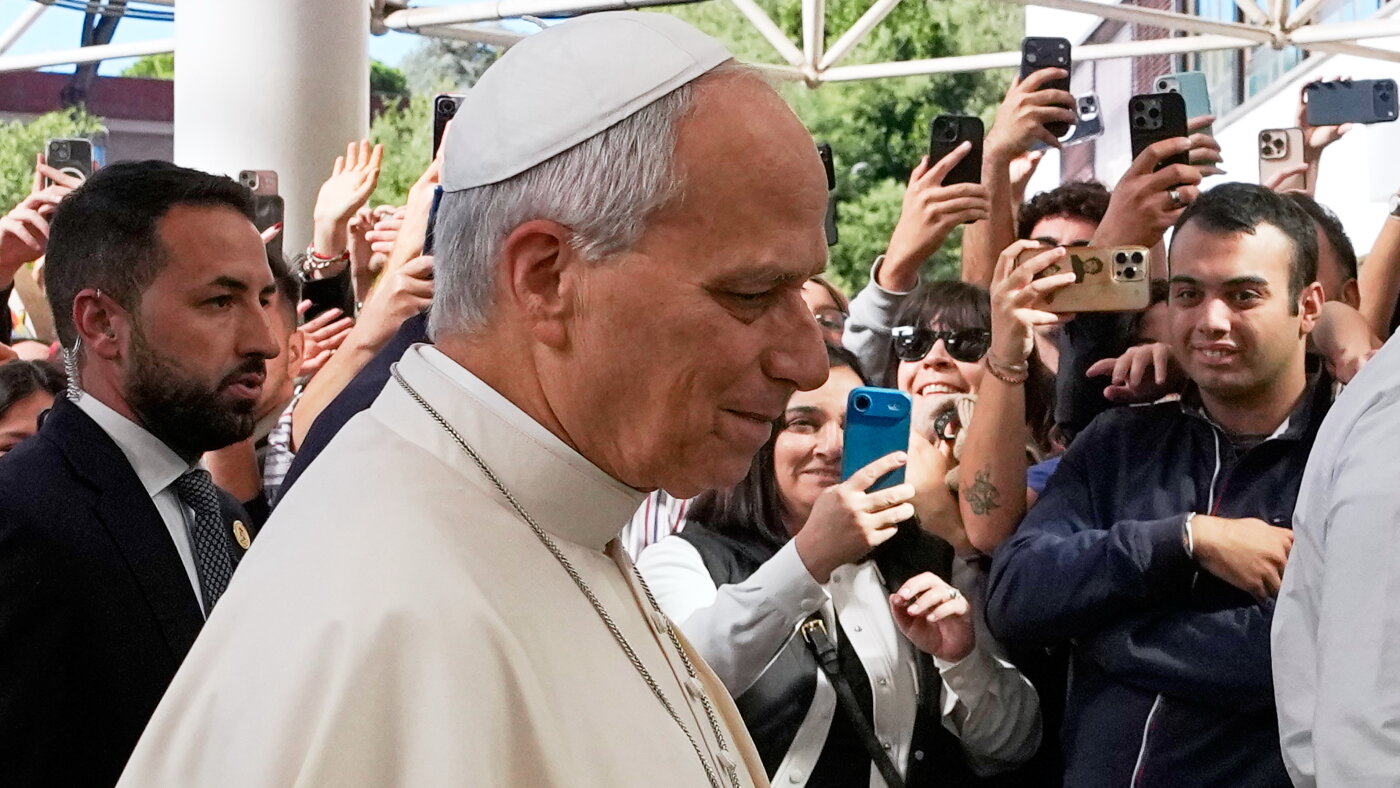
A Pope Gets Cancer for the First Time in Modern History
Pope Leo XIV had surgery Tuesday at Rome’s Gemelli Polyclinic to remove part of his lung. The diagnosis: lung adenocarcinoma, the most common form of lung cancer in the United States, accounting for roughly 40 percent of all cases. The operation lasted about 90 minutes. Leo woke up normally. He returned to his room on the 10th floor.
What makes this moment seismic is not the clinical detail — it is the historical weight. No pope in the modern era has been diagnosed with cancer. The announcement forces the Catholic Church, with 1.3 billion members worldwide, to confront a reality that previous pontiffs never had to face publicly.
Why This Matters Beyond the Headlines
The immediate implication is institutional. Pope Leo, 71, is relatively young for a pontiff and has been known for an active lifestyle. He plays tennis weekly with his personal secretary and rides horses at Castel Gandolfo, the papal summer residence. He does not smoke. But a cancer diagnosis of any kind introduces an unknown variable into a system that has operated for centuries on assumptions about papal availability and physical endurance.
The Vatican has cleared Leo’s public schedule through at least October 20. No further treatment plan has been announced. That silence itself is telling. The Church is likely managing internal timelines while protecting the Pope from premature speculation — but silence also breeds uncertainty, and uncertainty reverberates through a global institution.
Cardinals who have been close to Leo have reportedly convened in informal consultation, though no official meeting of the College of Cardinals has been called. The Camerlengo, who manages Vatican finances during a papal vacancy, has not been activated — a quiet but meaningful signal that the institution does not yet consider Leo’s condition critical. Still, sources within the Roman Curia acknowledge that contingency discussions are underway, including the possibility of delegating certain administrative authorities to a designated delegate if Leo’s health deteriorates.
Who Wins and Who Loses
This is not a situation with clean winners. But there are clear dynamics at play.
The faithful who look to the Pope as a spiritual anchor may experience doubt — not necessarily about doctrine, but about the human frailty beneath the office. Adenocarcinoma is typically associated with smoking, yet Leo is a non-smoker with a family history of cancer. His older brother Louis, who lives in Florida, is currently hospitalized with cancer. Their mother, Mildred, died of the disease in 1990 at age 77. Leo himself wrote in 1984 about his mother’s chemotherapy: “She’s a tough lady and handles it all well, which makes it a little easier for me being so far from Chicago.”
That personal history humanizes a figure who has largely been presented through the lens of authority. It also raises questions about genetics, environment, and the randomness that medicine cannot always explain — questions that some Catholics may wrestle with on a spiritual level.
The Vatican’s institutional credibility, meanwhile, faces a different kind of test. The Church has long navigated the tension between divine authority and human limitation. A pope who is visibly ill does not diminish doctrine, but it does challenge the symbolism that has always accompanied the office. Leadership requires presence. Presence requires health. When either falters, the institution must adapt.
Outside observers, including medical professionals and bioethicists, have noted that the public revelation of a papal cancer diagnosis could have broader second-order effects. It may reduce the stigma around cancer in communities where the disease is still treated as a private shame rather than a medical condition. Some advocacy groups have already begun framing Leo’s diagnosis as an opportunity to promote cancer screening and early detection, particularly in regions where papal influence is strongest and healthcare access is weakest.
Conversely, there is a risk that the diagnosis could be weaponized by critics of the Church — those who have long argued that the institution’s claims to divine guidance are undermined by the very human suffering of its leaders. Theologians on all sides of that debate are expected to weigh in during the coming weeks.
What Happens Next
The next several weeks will be critical. If Leo recovers quickly and returns to public duties, the episode may pass as a temporary health scare. If treatment becomes prolonged or frequent absences follow, the conversation shifts toward governance — who acts when the Pope cannot, how decisions are made in his name, and what the Church communicates to a world that watches every papal appearance.
There is also the matter of succession planning, though the Church would never publicly acknowledge such discussions. Conclave protocols exist for a pope’s death. They do not exist for a pope’s incapacitating illness. That gap is itself a vulnerability. Canon law provides for a pope’s resignation, as Benedict XVI demonstrated in 2013, but it offers no framework for temporary or partial transfer of authority during a serious but non-terminal illness. Legal scholars within the Curia are likely reviewing that gap now, and any resulting policy changes could reshape how the Church handles papal health crises for generations.
For Catholics worldwide, the emotional impact may be subtler but no less real. A pope who suffers is still a pope, but the psychological comfort derived from the office may waver for some. Others may find deeper meaning in a spiritual leader who shares in human vulnerability — a theme central to Catholic theology, where suffering is neither meaningless nor separate from faith.
The Bigger Picture
This diagnosis arrives at a moment when the Catholic Church is already navigating internal fractures and external pressures. The Pope’s health is not the cause of those challenges, but it adds a layer of complexity that the institution did not prepare for. How Leo XIV faces this illness will shape not only his papacy but how the Church speaks about illness, suffering, and hope in the years that follow.
The world is watching. The question is not whether the Pope will survive — adenocarcinoma has treatment options, and Leo is young and active — but what his illness reveals about an institution that has never had to manage a cancer diagnosis at its center. Whatever emerges from this moment, one thing is certain: the Church will not emerge unchanged.