Rakuten's Drone Pivot Changes Japan's Defense Game
Rakuten is brokering German-made HX-2 attack drones for Japan's Self-Defense Forces, signaling a seismic shift in how Tokyo sources military tech. The real story isn't the hardware—it's who benefits when a consumer internet giant becomes a defense middleman.
The Middleman Was the Play All Along
Rakuten isn’t building drones. That’s the first thing to understand, and arguably the most important one.
The e-commerce and telecom giant is brokering Helsing’s HX-2 attack drones for Japan’s Ground Self-Defense Forces—a role that would have been unthinkable a decade ago. A company known for shopping apps and mobile plans is now navigating defense procurement bureaucracy, translating between Tokyo and Munich, and preparing to sell AI-powered strike weapons to one of America’s closest allies.
This is not a side hustle. It is a strategic repositioning with geopolitical consequences.
What the HX-2 Actually Is
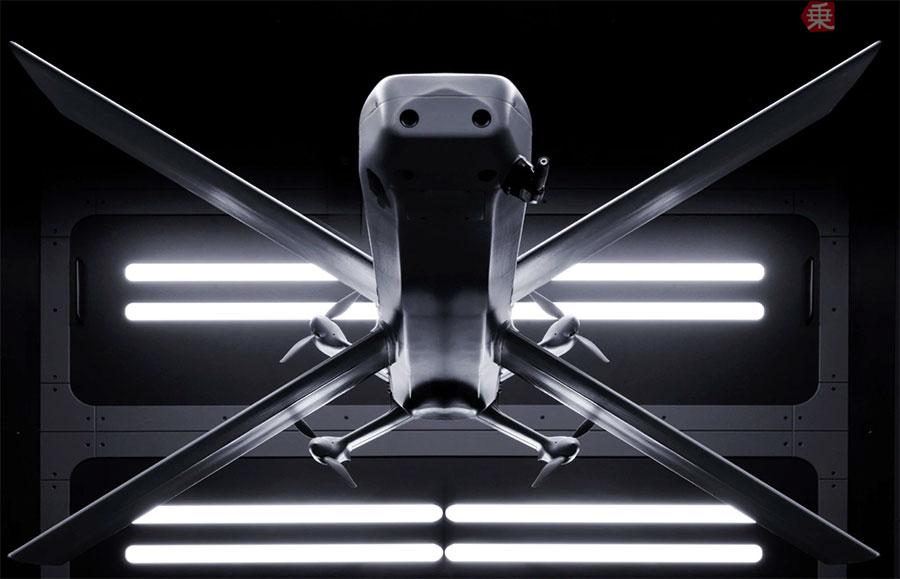
The HX-2 is a modest machine on paper: electric-powered, X-wing configuration, 100-kilometer range, carrying shaped-charge warheads designed to punch through light armor. It can hunt and re-identify targets using AI when GPS and communications go dark—a design choice clearly informed by Ukraine’s experience of electronic warfare saturation.
But the specifications are almost beside the point. The HX-2’s defining feature is its production model. Helsing’s Resilience Factory 1 in southern Germany is built to churn out over 1,000 units per month. In 2025, the company announced it was supplying 6,000 of these drones to Ukraine. The economics are starkly different from Japan’s traditional procurement: no bespoke development cycles, no decade-long testing programs, no sole-source dependencies on domestic contractors.
This is an off-the-shelf weapon system, produced at scale, ready to ship.
Who Loses When Rakuten Barges In
Japan’s defense industry has long operated as a protected ecosystem. Mitsubishi Heavy Industries, Kawasaki, IHI, and their subsystem suppliers hold lucrative contracts through relationships built over decades. The system rewards loyalty as much as capability.
Rakuten’s entry bypasses this entire structure. The company doesn’t need factory floors or tooling lines. It needs relationships, regulatory navigation skills, and the credibility of a brand recognized globally. It is selling access, not engineering.
This will unsettle established defense contractors. But it also sidesteps the single biggest bottleneck in Japanese defense modernization: procurement speed. Japan cannot fast-track a new domestic drone program and field it before the next crisis. It can, however, sign a brokerage deal and have airframes on its tarmac within months.
The question is whether that speed comes at the cost of long-term industrial sovereignty—or whether it forces the domestic industry to compete rather than rest on incumbency.
The Infrastructure Problem Nobody Is Talking About
Here is what the source material quietly acknowledges and most analysis ignores: buying 1,000 drones per month means nothing if you cannot operate them.
A squadron of HX-2s requires launch platforms, command-and-control nodes, maintenance teams, data links, targeting integration, and rules of engagement that fit within Japan’s legal framework for self-defense. Each additional drone multiplies the complexity of coordination. An AI-assisted system that functions autonomously in GPS-denied environments still requires human oversight for critical decisions—meaning you need trained operators, not just technicians.
Ukraine learned this the hard way. The flood of cheap drones created logistical nightmares: who launches them, from where, at what altitude, with what deconfliction from other units? The hardware arrived faster than the doctrine.
Japan faces the same trap. The Self-Defense Forces are structured around manned platforms, hierarchical command, and precision strikes. Swarming hundreds of autonomous systems is a fundamentally different operational posture—one that requires new training pipelines, new communications architecture, and potentially new legal guidance on when autonomous targeting is permissible under Japan’s constitutional constraints.
Rakuten is solving the procurement problem. Someone else needs to solve the operational one.
What This Signals for the Indo-Pacific
The implications extend well beyond Japan’s borders.
China has been building up its missile arsenals and maritime capabilities for years. The standard Western response has been to invest in high-value platforms: destroyers, submarines, fighter jets. These are effective but extraordinarily expensive and slow to replace. A single Aegis destroyer costs over $2 billion. Lose one in a conflict, and the replacement cycle runs five to seven years.
The HX-2 model inverts that logic. At a fraction of the cost per unit, produced at industrial scale, these drones represent a different kind of deterrence—one based on attrition resilience rather than platform supremacy. An adversary that sinks two destroyers has won a tactical victory. An adversary that sinks 200 drones has merely consumed inventory.
This is precisely the strategy that has emerged from Ukraine: cheap, abundant, networked systems that force a near-peer adversary to spend more defending than attacking. Japan adopting this model would signal a fundamental shift in Indo-Pacific deterrence thinking—from prestige platforms to distributed persistence.
The Bigger Pattern: Tech Companies as Defense Intermediaries
Rakuten is not the first consumer company to pivot toward defense. Palantir grew into a defense analytics powerhouse from its civilian data platform. Anduril, founded by a former Google executive, now supplies autonomous systems to multiple NATO governments. The pattern is clear: companies that understand software, networks, and scale are moving into defense not by building hardware, but by understanding how to integrate it into modern warfare.
Japan’s embrace of this model is significant because it breaks with the tradition of defense being the exclusive domain of heavy industry. It acknowledges that the critical bottleneck in modern military capability is not manufacturing capacity—it is speed, adaptability, and systems integration.
The Unanswered Question
What remains unclear is how deeply Rakuten intends to go. A brokerage role is low-risk and low-commitment. But if the HX-2 deal proves successful, the company could move deeper into joint development, licensed production, or even indigenous adaptation—areas that would place it firmly in the defense industry’s core and attract far more scrutiny from both domestic stakeholders and international partners.
The U.S. will be watching closely. Japan sourcing advanced drone systems from a European contractor through a Japanese tech intermediary introduces a new variable into the already complex trilateral security architecture with Washington and Tokyo. It is not hostile to U.S. interests, but it is independent in a way that invites questions about alignment and oversight.
Why This Matters Now
The timing is not accidental. Japan has committed to doubling its defense budget to 2% of GDP by fiscal 2027. The government has explicitly called for private-sector innovation in defense. And the strategic environment—North Korea’s missile testing, China’s naval expansion, Taiwan’s growing tension—demands faster capability deployment than traditional procurement can deliver.
Rakuten’s drone deal is a test case. If it works, expect more consumer tech companies lining up to broker defense systems. If it stalls, the path forward for Japanese defense modernization remains locked behind the same institutional barriers that have plagued it for decades.
The drones themselves are only half the story. The real question is whether Japan is willing to let a shopping app company redefine how it arms itself.
The answer will shape the next chapter of Indo-Pacific security—and the future of defense industrial politics in a region that has never relied on e-commerce platforms for its military procurement.