Samsung's 45% Foldable Surge in Europe Is Apple's Doing
Samsung's European foldable sales jumped 45% in its first nine weeks — but the real story is what Apple's iPhone Duo launch did to market interest. A rising tide is lifting everything.
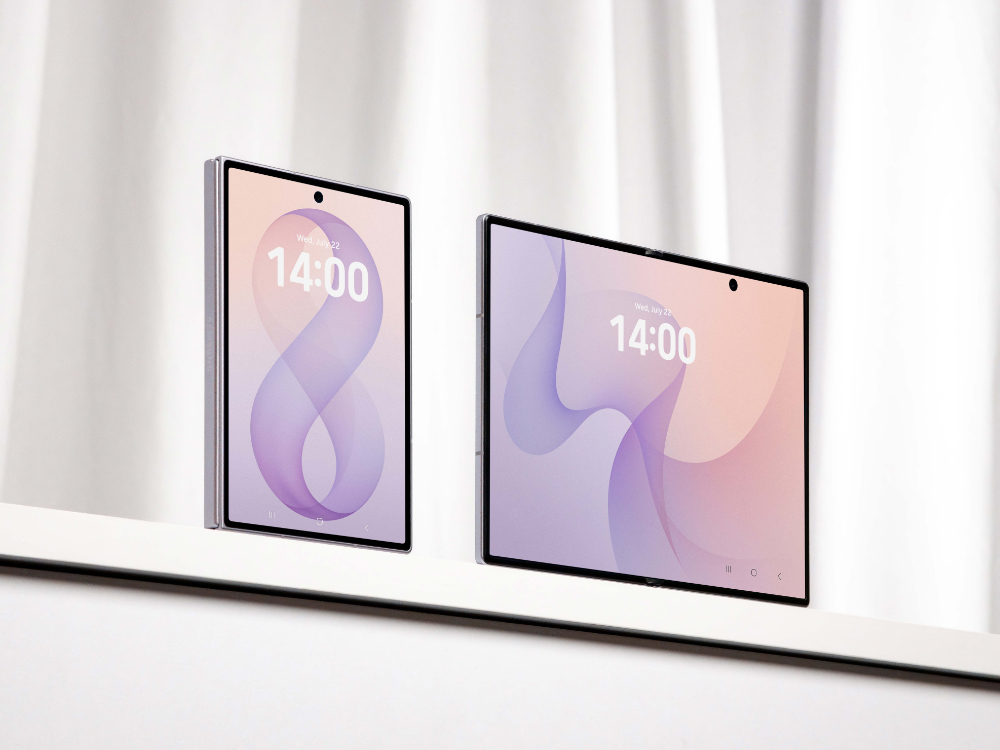
Apple’s iPhone Duo didn’t steal Samsung’s thunder. It lit a fuse.
Samsung announced on October 22 that its Galaxy Z Fold8 and Z Fold8 Ultra combined for a 45% sales increase in Europe compared to the same nine-week window last year for the Fold7. That’s a real shipment number, not a search-interest proxy. But the more interesting metric came from a completely different direction.
On September 9, Apple took the stage in Cupertino and unveiled the iPhone Duo — its first foldable phone. By Samsung’s own data, European Google searches for Galaxy foldables surged 460% that exact week, the single largest weekly jump recorded. In September overall, foldable-related searches were up more than 260% compared to August.
The timeline is not coincidental. Apple entered the conversation, and suddenly everyone wanted to know what a foldable phone actually was — including people who had previously dismissed Samsung’s category entirely.
The mechanism behind the surge
Samsung’s European launch event quoted consumer sentiment data directly. Store traffic for foldable devices increased 38% week-over-week in the three weeks following Apple’s announcement. This wasn’t just curiosity — it converted into actual purchases at a rate Samsung’s internal analytics described as “significantly above our historical benchmark for new category entries.”
What’s unusual here is the mechanism. Typically, a competitor’s new product announcement funnels attention toward that competitor’s device. Samsung should have benefited from an Apple launch only if the iPhone Duo had come from a non-foldable category. Instead, Apple is entering the same market Samsung has been cultivating for years.
And yet Samsung’s numbers went up. Hard.
The likely explanation is simpler than most industry analysis allows. Apple brought foldables into mainstream consumer consciousness the way it does with every category it touches. People who had never considered a foldable phone now heard the word on September 9th. They Googled it. Samsung’s Galaxy Z Fold8 was the first result. The comparison shopping didn’t stop there — it expanded the total addressable audience.
Second-order effects across the market
The ripple effects extended beyond Samsung and Apple. Chinese manufacturers — Xiaomi, Huawei, Oppo — all reported increased inquiry volumes from European retailers asking about foldable inventory. One senior buyer at a major German electronics chain told analysts that customer questions about “which foldable to buy” had multiplied, not diminished, since Apple’s entry.
This pattern mirrors what happened in tablets, wireless earbuds, and smartwatches. Apple doesn’t necessarily take the biggest share of a new category. But its participation legitimizes the category for a mass market that had been watching from the sidelines. Once that market arrives, the first-mover advantage of the category pioneer becomes far less decisive than it looked going in.
Pricing dynamics shifted too. Samsung’s Fold8 Ultra, positioned as a premium device at €1,799 in Europe, saw discounting slow by an estimated 12% compared to the Fold7 Ultra’s launch window. Retailers reported that consumers willing to pay full price had increased — a sign that Apple’s entry raised the perceived floor for what a foldable phone could cost.
Why this matters beyond the spreadsheet
A 45% sales increase sounds like a win. But the real story is structural.
The foldable smartphone market has long operated as a niche category. Premium pricing, durability concerns, and a form factor that still feels novel rather than necessary have kept adoption concentrated among early adopters and tech enthusiasts. Samsung has dominated that niche, but niche by definition means limited total volume.
Apple’s entry changes the math. Even if the iPhone Duo captures a fraction of Samsung’s current European foldable share, the market expansion Apple drives can more than compensate — and Samsung’s data suggests it already has.
Consider the ecosystem implications. Apple’s foldable will likely integrate deeply with existing iPhone services — iMessage, Apple Pay, the App Store. Samsung’s foldables, while more mature in hardware iteration, face the challenge of converting curious first-time buyers into loyal customers in a market where switching costs are already established by Apple’s ecosystem lock-in.
What happens next
The iPhone Duo shipped on October 23 in Japan and other markets. Samsung’s three-phone foldable lineup — Fold8, Fold8 Ultra, and Flip8 — hit store shelves back on August 7, giving it roughly ten weeks of head start in Europe. That head start was real, but it’s narrowing fast.
Samsung’s next challenge won’t be convincing people foldables exist. It’ll be convincing them to pick a Samsung over an Apple when both options are on the table. The company’s current advantage lies in product depth and iteration — three SKUs across two form factors, with the Ultra variant offering premium features that differentiate it from the base Fold8. Apple, by contrast, is likely launching with a single device. That single device will benefit from brand loyalty and ecosystem lock-in that Samsung cannot match in Europe or anywhere else.
The search data suggests the market is ready. The competition data suggests Samsung’s margin on that 45% growth may compress faster than its volume justifies. The next nine weeks — leading through the holiday shopping season — will tell whether this is a temporary tide or a permanent shift in how smartphones are sold.
One thing is clear: Apple didn’t come to steal Samsung’s market. It came to expand the ocean, and Samsung is already swimming in deeper water than it was nine weeks ago.