The Senate Just Rewrote College Sports — and the NCAA Got More Power
The Senate's 77-22 vote on the Protect College Sports Act codifies athlete payments while handing the NCAA new antitrust authority. But the bill's true impact lies in what it leaves unresolved: coach salaries, player bargaining rights, and whether Congress will actually force the House to act.
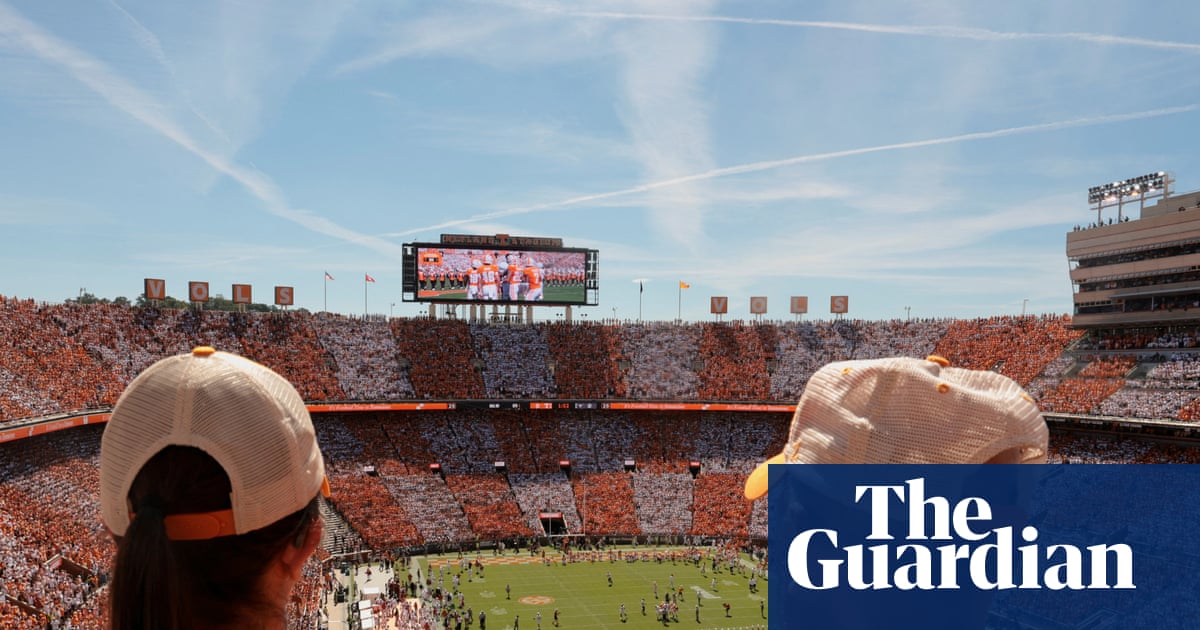
The Senate just changed everything about college sports — and most of it won’t be noticed until next season.
The Protect College Sports Act passed the Senate on Monday by a vote of 77-22, marking the most aggressive federal intervention in college athletics since the NCAA was founded. The bill does three things at once: it codifies the 2025 court settlement that unlocked direct athlete payments, it grants the NCAA limited antitrust immunity to enforce its rules, and it imposes structural limits on how the industry operates going forward.
But the real story isn’t what the bill does. It’s what it deliberately leaves ambiguous.
The money is real, and it flows upward
The legislation sets a baseline revenue-sharing cap of $21.5 million per school, but more importantly creates a retention fund mechanism that pushes the effective ceiling to nearly $49 million for schools in the two largest conferences — the Big Ten and the SEC. That double-cap structure wasn’t accidental. It was the price of securing votes from the conferences that generate the most revenue and have the most political leverage.
Schools can now pool their television media rights, a provision designed to strengthen smaller programs’ negotiating position against conference networks and the major broadcast partners. On paper, this levels the playing field. In practice, it consolidates power among the groups that already control the biggest media deals.
And none of this touches coach salaries. Senator Chris Murphy of Connecticut called the bill out directly on that point: “There are no caps on coaches’ salaries or on the size of donations to athletic programs.” That omission is the single most consequential detail in the entire legislation.
The transfer rules are a compromise that satisfies no one
The bill restricts player transfers to one free move per five-year window without sit-out penalties, and caps total eligibility at five years. It also prevents coaches from jumping schools mid-season and blocks conferences from exceeding 20 members.
The transfer portal was arguably the single most destabilizing force in college sports over the past three years. Student-athletes began treating their eligibility like a revolving door, and programs responded by inflating roster payrolls beyond sustainable levels — some football programs now carry payrolls exceeding $40 million. The bill tries to freeze that dynamic, but the mechanism is blunt: it punishes mobility rather than creating incentives for retention.
LSU’s attempt to roster players who had attended NFL training camps was already a gray-area experiment that the NCAA moved to block. This legislation preemptively addresses that class of edge case, but it doesn’t resolve the underlying question of what constitutes an amateur athletics relationship in an era where professional pathways exist alongside scholarship programs.
The antitrust question is the bill’s quiet centerpiece
The NCAA is receiving limited antitrust protections — not blanket immunity, but enough to enforce the new transfer and compensation rules without facing immediate litigation from schools or athletes who feel shortchanged. This is the provision that makes the bill structurally different from previous legislative attempts.
Senator Cory Booker, who played football at Stanford in the late 1980s, framed the opposition clearly: the bill asks the NCAA to come to Congress and request sweeping powers to exempt itself from antitrust law, “and we know who this bill is protecting.” Booker was joined in opposition by Senators Raphael Warnock, Lisa Blunt Rochester, and Angela Alsobrooks — all four Black Democrats in the Senate — alongside labor organizations and civil rights groups.
The unresolved employee classification is the legal landmine beneath the entire framework. The bill sidesteps whether athletes are employees entitled to collective bargaining. That question will return in court, regardless of what Congress writes.
The House is the real obstacle
The Senate passage means nothing without House concurrence, and the House failed repeatedly last year to advance any version of college sports legislation. Members are currently in recess until after the November elections. If the bill doesn’t clear both chambers before the year ends, it dies and must be reintroduced in the next Congress.
That timeline creates uncertainty for a sport already operating in a state of flux. Schools are building football programs around payrolls that the new caps may or may not support. Coaches are evaluating contracts against a transfer restriction that hasn’t been codified into enforcement mechanisms yet. Conferences are restructuring with a 20-school limit that may not survive legal challenge.
What happens next
If the bill becomes law, the immediate effect is a consolidation of the post-2025 landscape rather than a reversal of it. The $21.5 million base cap and the $49 million effective ceiling for major conferences create a floor that most Power Five schools can meet and a ceiling that only a handful can approach. Middle-tier programs will face pressure to raise revenue through media rights pooling or donor contributions — both avenues that favor existing advantage holders.
The transfer restriction will slow roster churn but won’t eliminate it. Athletes who feel undercompensated relative to the new caps will still move, and the litigation risk over eligibility interpretations will remain high.
The antitrust protections give the NCAA room to breathe but not to expand. Any attempt to extend the immunity beyond the bill’s specific provisions will face immediate judicial scrutiny.
The longest shadow the bill casts is over the employee classification question. Unless Congress returns to it — and none of the current language suggests it will — the next major legal battle over college sports won’t be about how much athletes can be paid. It will be about whether they can organize.