Sony's PS5 Pro Lottery Rewards Only the Committed
Sony Japan's PS5 Pro purchase lottery requires 60 hours of prior gameplay — a demand-management tactic that reveals how scarce hardware is reshaping consumer loyalty. The question is whether this model spreads beyond Japan.
The 60-Hour Gate
Sony Japan began accepting purchase applications for the PS5 Pro at its Sony Store on September 28, but there is a catch that no one saw coming from a company of this scale. To enter the lottery, your account must show at least 60 hours of gameplay on a PS5 or PS4 between September 27, 2024 and September 27, 2026. That is roughly two and a half months of daily play — or a serious commitment to a single platform over years. If you do not meet that threshold, you cannot apply regardless of how much money you have ready to spend.
The application window runs until October 7 at 23:59. Winners will be notified starting October 26, with a purchase deadline of November 2 at 11:59. It is a controlled release in a market where supply has consistently lagged demand since the console launched earlier this year.
Why This Matters Beyond Japan
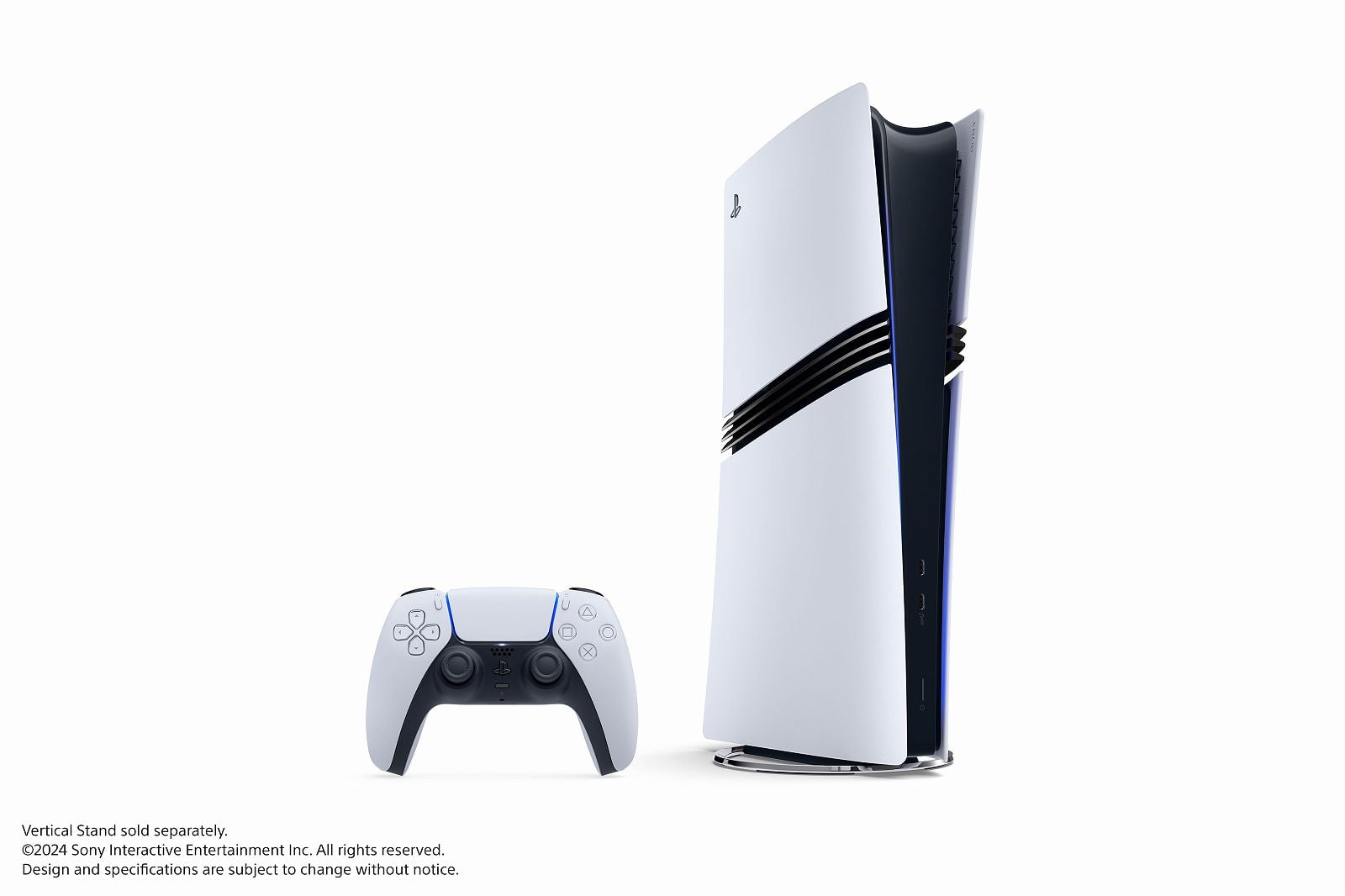
The PS5 Pro is Sony’s more powerful machine, offering higher resolution, higher frame rates, and access to PSSR super-resolution and advanced ray tracing in optimized titles. It ships without a disc drive, so package-game owners must buy the peripheral separately — a reminder that Sony is pushing hard toward digital. Recent launches like Resident Evil Requiem have already demonstrated PSSR’s evolution, and the backlog of anticipated titles — Phantom Blade Zero on October 29 and Grand Theft Auto VI on November 19 — makes this console highly desirable even in regions where availability is less constrained.
What makes the Japanese lottery noteworthy is not the scarcity itself — supply-chain bottlenecks affect every major hardware launch — but the explicit behavioral requirement. Sony is not simply rationing based on account registration or geographic proximity. It is measuring past engagement as a proxy for future loyalty. The 60-hour rule effectively tells casual players and second-console buyers to step aside while prioritizing those who have already invested significant time in the ecosystem.
Who Wins and Who Loses
The winners are people like Kenji, a Tokyo-based graphic designer who logged 84 hours across Final Fantasy VII Rebirth and Street Fighter 6 last year. He qualifies. He will likely win the lottery. He will leave disappointed if he does not, because the hardware shortage has already pushed resale prices well above retail.
The losers are more numerous and harder to quantify. A university student in Osaka who bought a PS5 secondhand in 2023 and plays three or four hours a week falls below the threshold. A parent who picked up a console during the pandemic and now shares it with children who prefer mobile gaming cannot apply. A new resident in Japan who registered a Sony account in 2025 but has yet to accumulate 60 hours of playtime is excluded entirely. These are not fringe cases. They represent a significant portion of the addressable market.
The structural requirement is straightforward: if your account has not accumulated 60 hours of PS5 or PS4 gameplay in the rolling 24-month window, the door is closed. There is no workaround other than playing more, which means Sony is using scarcity as a behavioral filter rather than a simple sales constraint.
What This Signals About Demand Management
Sony’s approach reflects a broader shift in how hardware companies manage limited inventory. In the past, console shortages were resolved through random lotteries, first-come-first-served drops, or queue-based systems. None of those measures rewarded loyalty; they simply randomized access. The 60-hour requirement changes the calculus. It turns the purchase process into a meritocracy of engagement.
This strategy benefits Sony in several ways. First, it reduces returns and refund requests because the buyers who qualify are more likely to use the hardware intensively. Second, it reinforces the PlayStation ecosystem by making investment in the platform visible and rewarded. Third, it gathers data on player behavior that can inform future product decisions. A customer who has played 60 hours across multiple genres is likely to respond differently to marketing and pricing than someone who played 59 hours of a single title.
The approach also carries risk. Alienating casual players creates goodwill problems that can spill over into the software side. If someone cannot buy a PS5 Pro because of a playtime gate, they may turn to a competing platform for their next purchase. Sony is betting that the emotional cost of exclusion will be outweighed by the retention gains among committed players. That bet is reasonable in Japan, where console gaming culture runs deeper and player loyalty is stronger on average. It may not translate as cleanly to markets where gaming is more fragmented and hardware ownership is more transient.
The Road Ahead
The PS5 Pro shortage is expected to ease as production ramps up, but the lottery framework itself could become a permanent fixture in certain markets. Sony has already demonstrated willingness to experiment with purchase restrictions, and the 60-hour threshold is only the latest iteration. If the strategy proves effective in Japan — and early indicators suggest it is, given the volume of applications received — other regions may see similar gates, particularly for high-demand SKUs like the Pro model.
The timing is notable. With GTA VI launching on November 19 and Phantom Blade Zero arriving just days before that on October 29, demand is about to intensify. Any scarcity management system in place will face its stress test within weeks. Sony’s choice to combine a playtime requirement with a lottery rather than opening the store to all comers suggests the company expects demand to significantly outstrip supply even as production increases. That expectation may prove conservative.
What is clear is that the PS5 Pro is no longer a commodity. It is a privileged item, and Sony is deciding who deserves access based on how much they have already invested in the platform. The 60-hour gate is not just a technical requirement; it is a statement about what the company values in its customers. Whether that statement resonates globally remains an open question.