Stray Kids Follow BTS in Grammy Boycott — Why the Asian Pop Category Is Losing
Stray Kids joins BTS in refusing to submit music to the 69th Grammys, targeting the controversial new Asian pop category. The boycott exposes a fault line between K-pop's global dominance and Western awards still treating it as regional.
The Second Wave
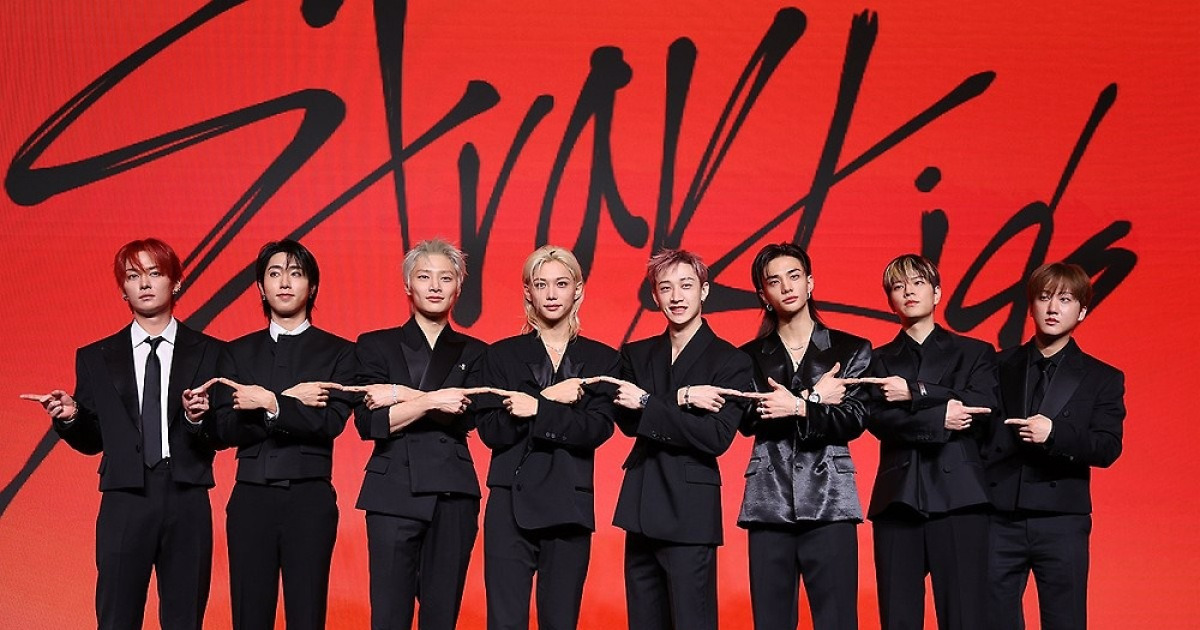
JYP Entertainment dropped the news on October 2: Stray Kids will not submit any music for next year’s 69th Grammy Awards. One day later, the pattern is unmistakable. They are not the first major K-pop act to walk away — BTS already did — but they may be the most consequential.
Stray Kids sits at a different place in the K-pop hierarchy than BTS ever did. They are not a legacy act riding nostalgia. They are a current powerhouse with eight members who each hold Grammy voting rights, a group that has landed nine No. 1 albums on the Billboard 200, a milestone second only to The Beatles. Their absence is not symbolic theater. It is a practical hole in the category the Grammys are trying to build.
The Category That Tried to Contain a Global Sound
The Recording Academy announced the Best Asian Pop Music Performance category in June. The framing was tidy: Korean, Chinese, Japanese, and other Asian market recordings would have their own lane. On paper it looked like representation. In practice it read like segregation.
K-pop had already proven it did not need its own lane. Groups like Stray Kids and BTS were charting globally, selling out arenas across Europe and the Americas, and competing directly with Western pop acts on metrics that the Grammys claim to value. Carving out a geographic subcategory sent a different message — that these artists belong in a regional wing, not in the general field where artists from any country compete on equal footing.
BTS called it out directly. Their statement, published earlier this year, was unambiguous: they want their music heard and loved as music, not filtered through geography or language. That is not a plea for special treatment. It is a demand for ordinary treatment — the same criteria that apply to every other artist seeking a Grammy.
Why Stray Kids Matters More Than You Think
The Grammys may have expected Stray Kids to be grateful for an invitation, even a separate one. After all, the category was designed partly to give Asian artists a visible platform. But Stray Kids’ decision to boycott flips the math.
The group was considered a front-runner for the new category. Their disappearance removes a crown jewel from a debut nomination list before the category has even held its first ceremony. If the Grammys open a door and the most qualified act walks through it backwards, the doorway looks less like progress and more like a quarantine.
Their eight voting members add another layer. These are not passive participants. They can shape nominations, influence category decisions, and push for structural change from inside the academy. Their absence weakens the Academy’s claim that this category reflects broad industry consensus.
The Ripple Effect Is Already Moving
Ateez’ Hong Jong did not mince words in a recent interview with Variety. He said he personally empathizes with BTS’s stance and is reconsidering his own submission plans. That is the second major act to signal sympathy with the boycott. The logic is spreading through an industry that operates heavily on collective positioning.
If Ateez follows Stray Kids and BTS out the door, the Asian pop category opens with no recognizable K-pop headliners. The Grammys would have to either find emerging acts who lack the global footprint of the boycotting groups or admit the category is hollow before it has fully formed. Either outcome damages the Academy’s credibility more than a single missed nomination.
What the Grammys Got Wrong
The Recording Academy’s response so far has been contradictory. After the initial backlash in June, they signaled they might adjust the category’s scope. Then they reversed course, claiming internal support was stronger than critics assumed, and doubled down on holding the award next year.
That sequence reveals a fundamental miscalculation. The Academy treated the backlash as PR friction to weather rather than a structural indictment. K-pop artists are not asking for easier access to existing categories. They are asking for the removal of a barrier that labels their art as inherently regional. You cannot solve that complaint by promising to make the separate category more inclusive. The demand is to be included in the main categories, not to have a better-equipped parallel track.
Who Wins and Who Loses
If the boycott holds, the Grammys lose legitimacy in one of the fastest-growing music markets on earth. They look like an institution that discovered K-pop when it became profitable and immediately responded by putting it in a corner. Asian pop fans — including the massive English-language audience that has grown around these artists — will remember the message: you are welcome here, just not quite as much as everyone else.
The artists win clarity. Each public boycott reinforces the principle that geographic labels do not belong in music awards. It is the same argument activists have made about gender, race, and genre categories for decades. K-pop is applying that logic to a new frontier.
The broader music industry loses a chance to set a better precedent. Award shows everywhere watch how the Grammys handle this moment. A thoughtful rollback or a genuine pathway to main-category eligibility would signal that institutions can correct course. Insisting on a segregated category despite mass defection signals the opposite.
What Comes Next
The 69th Grammys are still months away. The Academy has not changed its position publicly since reaffirming the category. The boycott has not formally expanded beyond Stray Kids, BTS, and sympathetic statements from Ateez. But the trajectory is clear.
If more K-pop acts join — and industry observers expect them to — the Asian pop category becomes a talking point for all the wrong reasons. Awards shows survive on prestige. Prestige survives on perceived legitimacy. A category defined by its most eligible artists refusing to participate is not a prestige play. It is a concession.
The Grammys face a simple choice: adjust the category structure to allow K-pop artists to compete in the general field where they already belong by every metric except geography, or watch a growing number of acts opt out entirely. There is no third option that preserves both the category and the Academy’s credibility.
K-pop is not asking for a favor. It is asking for a fair standard. The boycott is not a tantrum. It is a vote — and right now, the vote is against a system that still treats global superstars as regional novelties.