Striking Iran's Tankers Is a Bet on Energy Chaos
The US just hit three Iranian oil tankers in an escalation that threatens to choke global energy flows through the Strait of Hormuz — and tests whether China and India will blink.
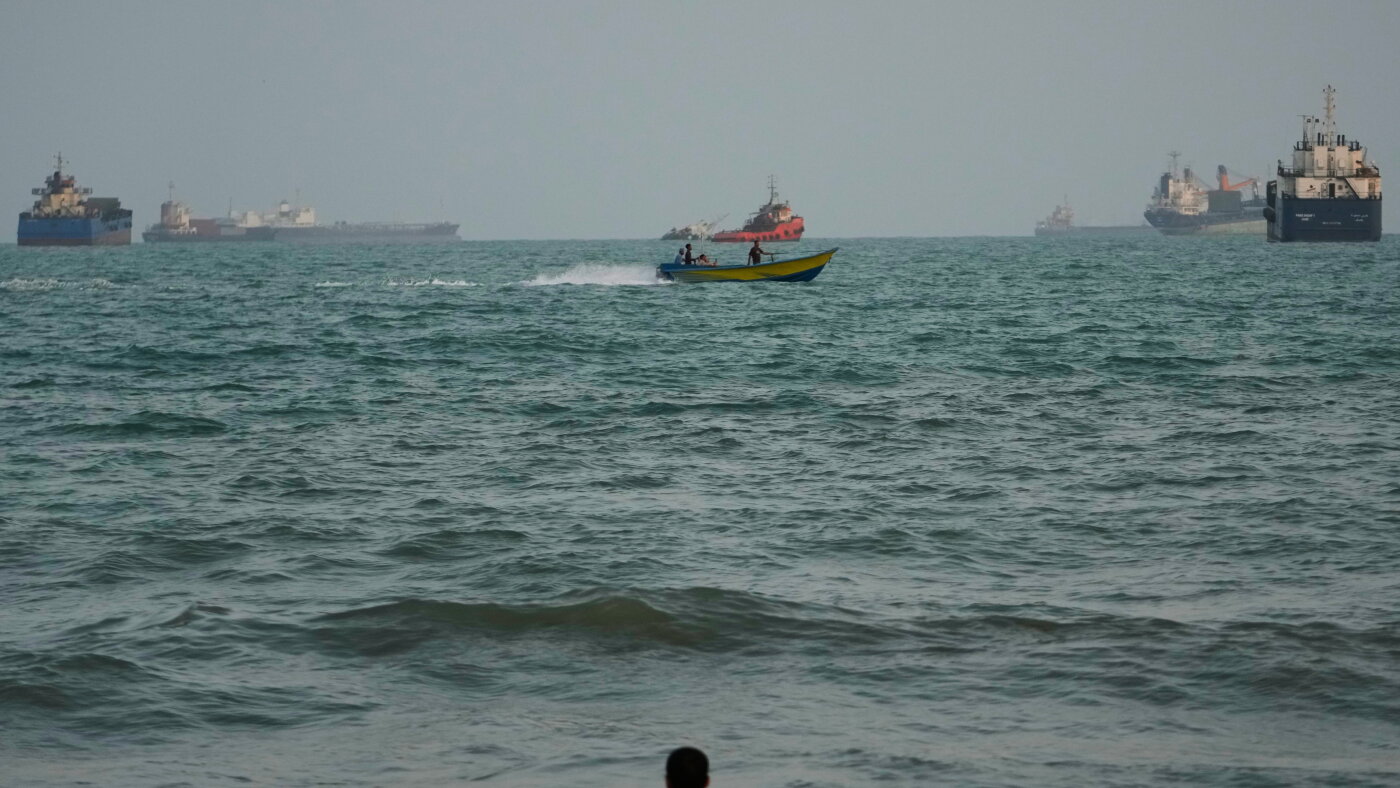
The strikes were meant to hurt. The real target may be the market.
Three Iranian oil tankers gone. Two permanently disabled, one destroyed — all within hours of each other, spread across the Gulf of Oman and near Kharg Island, Iran’s primary oil-export terminal. The US Central Command statement was crisp. The image it shared was not.
Adm. Brad Cooper, heading CENTCOM, did not mince words: the US would “destroy Iran’s limited and exposed oil fleet” if necessary. That phrasing matters. It signals a deliberate shift from defending shipping lanes to actively dismantling Iran’s capacity to sell the very commodity that funds its military apparatus and its proxy network across the Middle East.
This is not a surgical strike against a single vessel. This is a campaign announcement.
How we got here
The US-Iran conflict, which began with coordinated American and Israeli strikes on February 28, has oscillated for six months between flare-ups and fragile calm. President Donald Trump called the fighting “small potatoes” just a day before Saturday’s strikes — a remark that now reads either as genuine minimization or strategic misdirection.
Negotiations over Iran’s nuclear program collapsed after a memorandum of understanding signed in mid-June. Tehran’s new hard-line leadership, installed after years of internal power struggles, has signaled it will dig in rather than concede. So the battlefield has moved. The issue that sparked the war — nuclear enrichment — has been replaced by a more immediate lever: control of the Strait of Hormuz.
Roughly 20% of global oil throughput passes through that narrow chokepoint. Iran has spent months asserting control over it, targeting vessels and making clear that any ship moving through its waters does so at its permission. The US military has stepped in to guide traffic, but overall volume through the strait remains low.
Who wins, who loses
The US claims a military win — warships evaded multiple attacks, no personnel hurt, three vessels neutralized. But the economic consequences of these strikes will reverberate far beyond the Persian Gulf.
Iran’s oil fleet is already small compared to its pre-sanctions peak, and it is already exposed. That is precisely why striking it is both effective and dangerous. Every tanker lost is revenue denied to the Revolutionary Guard and its proxies — the Hezbollah infrastructure in Lebanon, the Houthi operations in Yemen, militia networks in Iraq and Syria. The shadow network that finances them runs through these hulls.
But the collateral damage lands heavily on the rest of the world.
Insurance markets for vessels transiting the Gulf of Oman and the Strait of Hormuz will spike. War-risk premiums, already elevated since the conflict began, will jump again. Some shipowners — particularly those without access to US insurance backstops — may simply opt out. That shrinks the pool of available tankers moving through one of the world’s most critical energy arteries.
The China-India question
Here is what English-language coverage often misses: the two countries that matter most for Iran’s oil survival are also the two that cannot afford a full-scale disruption of those sales.
China is Iran’s largest oil buyer by a wide margin. Indian refineries, many of them state-owned, have become increasingly dependent on discounted Iranian crude as Moscow’s wartime exports faced their own sanctions complications. Together, Beijing and New Delhi absorb the bulk of Iran’s offshore oil trade — the same trade that funds the very proxies the US is trying to cripple.
The strikes send a message to both capitals: America is willing to hit the financial plumbing of Iran’s economy directly, not just its military targets. That is a calibrated escalation. But it also forces China and India to recalibrate.
Beijing has a long-standing policy of non-interference and has kept its distance from direct military confrontation in the region. But its energy security calculus is shifting. If Iranian supplies become unreliable — whether from strikes, sanctions enforcement, or insurance costs — China may accelerate alternatives: more Russian crude, expanded pipeline deals with Central Asian neighbors, greater investment in African and South American suppliers. The strategic timeline is longer, but the direction is clear.
India faces more immediate pressure. Its refining sector profits from discounted Iranian crude. Disruption hits margins directly. Yet New Delhi has also been careful not to alienate Washington, balancing between its strategic autonomy tradition and its deepening defense partnership with the US. Saturday’s strikes test that tightrope.
What happens next
The US military has made its threat explicit: Iran’s oil fleet is exposed and will be targeted. Tehran faces a stark choice — escalate further by attacking US assets more aggressively, or de-escalate and attempt to reopen negotiations from a weaker position.
Given the hard-line posture of Iran’s current leadership, escalation is the more likely path. That means more attacks on shipping, more disruption through the strait, and more uncertainty for global markets.
Oil prices already reflect some of this risk. But they do not yet price in the possibility that Iran’s oil exports could face sustained, systematic targeting — a scenario that would remove millions of barrels per day from global supply, not through production failure but through deliberate interdiction.
The timing is notable. Six months of on-again, off-again warfare has exhausted diplomatic channels. Both sides have sought to inflict economic and military pain. The strikes on the tankers represent a new phase: the US is no longer just defending its own forces. It is aiming at the veins that keep Iran’s regional strategy funded.
How Iran’s leadership responds — and how China and India react to the threat against their supply chains — will determine whether this escalation stabilizes or spirals.